Efficient Weekly Meal Prep
Meal Planning Basics
Why Plan Your Meals?
Deciding what to eat every day can feel like a chore. You get home, you're tired, and the last thing you want to do is figure out dinner. This often leads to last-minute takeout or uninspired meals. Meal planning is a simple fix that puts you back in control.
Planning and preparing meals and snacks ahead of time can save you time, reduce stress around mealtime, help improve diet quality, and help you reach and maintain a healthy body weight.
By thinking ahead, you save precious time during the week. Instead of daily trips to the store, you have what you need. You also save money. A clear plan means you buy only the ingredients required, which cuts down on impulse buys and food waste. When you know what you’re eating, you’re less likely to spend $20 on a delivery order you didn't really want.
Start With What You Have
Before you can plan for the future, you need to understand the present. Take a few days to notice your current eating habits. What do you typically eat for breakfast? Do you grab lunch out or pack it? How often do you cook dinner versus ordering in? There's no judgment here, just observation. This quick assessment will show you where a little planning can make the biggest impact.
Once you have a baseline, you can set a small, realistic goal. Maybe your goal is to cook dinner three times this week instead of once. Or perhaps you want to pack a healthy lunch twice. Starting small makes the process feel manageable and helps build a sustainable habit.
Before you make your meal plan, take an inventory of what you already have on hand.
Checking your pantry, fridge, and freezer is a crucial first step. You might find you already have pasta, canned tomatoes, and beans. That's a great start for a chili or pasta dish. Planning around ingredients you already own prevents them from expiring and saves you money at the store.
Building a Balanced Plate
A good meal plan isn't just about scheduling, it's about nutrition. Aim for balance in your meals to keep your energy levels stable and ensure you're getting the nutrients you need. A simple guideline for portioning your plate is a great place to start.
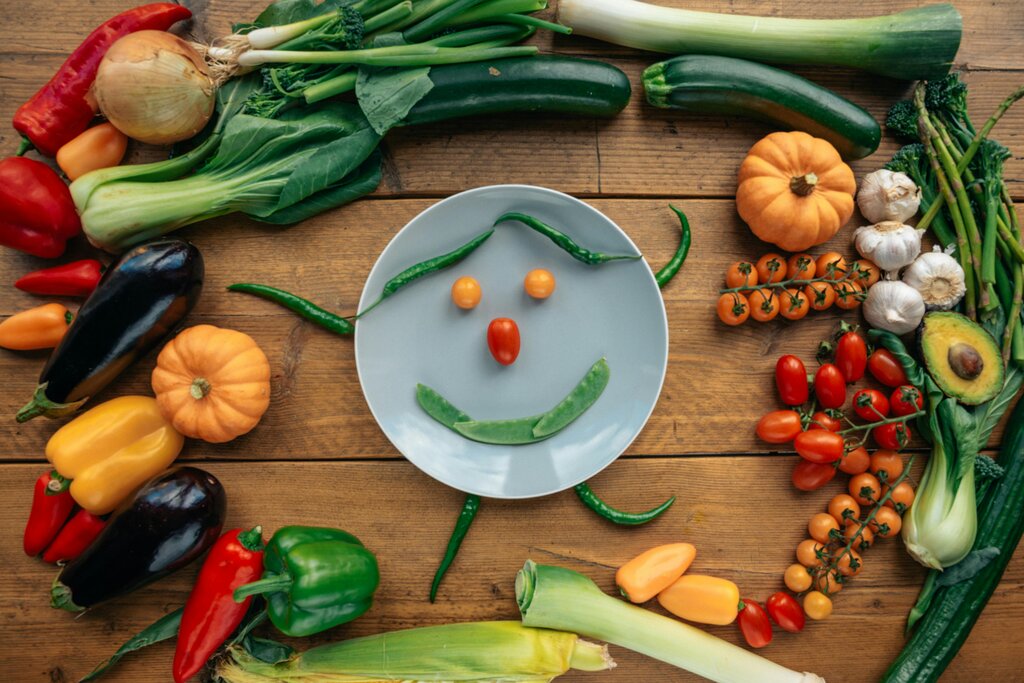
This visual guide helps you balance your meals without complicated calorie counting. Fill half your plate with non-starchy vegetables like broccoli, spinach, or bell peppers. One quarter should be a lean protein source like chicken, fish, or lentils. The final quarter can be a complex carbohydrate, such as brown rice, quinoa, or whole-wheat pasta.
Variety is also key to sticking with your plan. Eating the same chicken and broccoli every day leads to "meal fatigue," making you more likely to abandon your plan for something more exciting. Try one new recipe a week, or rotate different protein sources and vegetables. Simple swaps, like using sweet potatoes instead of brown rice or trying a different kind of bean in your chili, can keep things interesting.
Putting Pen to Paper
Now it's time to create your plan. You don't need a fancy app or complicated software. A simple notebook, a whiteboard, or a basic digital template works perfectly. The goal is to make the process easy so you'll stick with it.
Choose a specific time each week to plan your meals. For many people, Sunday afternoon is a good time to look at the week ahead. Start by filling in just a few meals. You don't have to plan every single breakfast, lunch, and dinner. Maybe start with planning just your weeknight dinners.
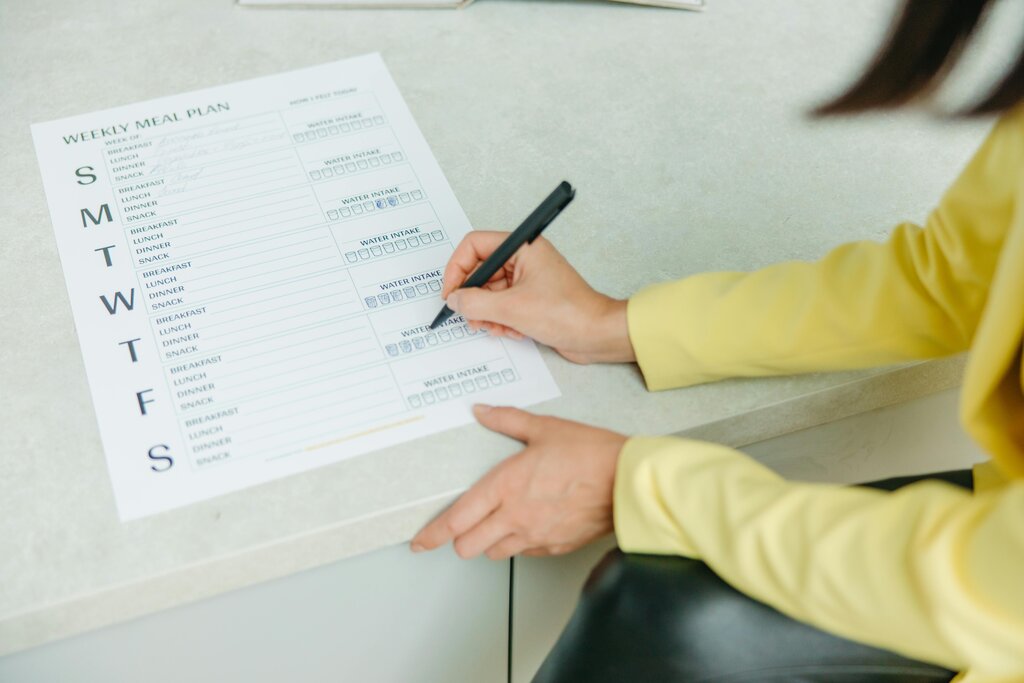
Here is a very simple template to get you started. You can adapt it to fit your own needs.
| Day | Breakfast | Lunch | Dinner |
|---|---|---|---|
| Monday | Oatmeal | Leftover Chili | Chicken & Veggie Stir-fry |
| Tuesday | Yogurt | Salad | Tacos |
| Wednesday | Smoothie | Leftover Tacos | Pasta with Marinara |
| Thursday | Eggs | Sandwich | Leftover Pasta |
| Friday | Cereal | Leftovers | Pizza Night (Homemade) |
Notice how leftovers are planned for lunches. This is an easy way to save time and reduce food waste. Your own plan might be even simpler, and that's perfectly fine. The best meal plan is the one that works for you.
According to the text, what are the main benefits of meal planning?
Before creating a weekly menu, what is the crucial first step the text recommends?
Meal planning is a skill that gets easier with practice. Start with a few simple goals, focus on balance, and use the tools that make sense for your lifestyle. You'll quickly see the benefits in your schedule, budget, and overall well-being.