Efficient LLMs for Edge Devices
Introduction to Large Language Models
What Are Large Language Models?
A Large Language Model, or LLM, is a type of artificial intelligence trained to understand and generate human language. Think of it as a very advanced prediction engine. By analyzing massive amounts of text from books, articles, and websites, it learns the patterns, grammar, context, and nuances of how we communicate.
The core task of an LLM is simple: predict the next word in a sequence. By doing this billions of times, it develops a sophisticated grasp of language.
This allows an LLM to do much more than just predict the next word. It can write essays, summarize long documents, translate between languages, answer questions, and even generate computer code. The “large” in the name refers to two things: the enormous amount of data it's trained on and the huge number of parameters it uses to make decisions.
parameter
noun
In the context of AI, a parameter is a variable that the model learns from training data. It's like a knob that the model tunes to improve its predictions. Modern LLMs can have billions or even trillions of these parameters.
These parameters store the learned patterns, enabling the model to produce coherent and contextually relevant text.

The Engine Inside Transformers
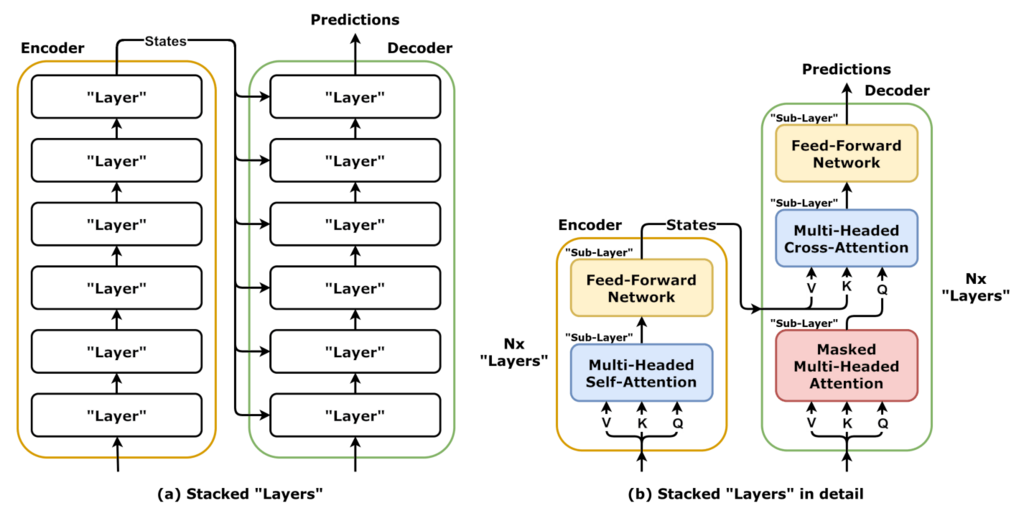
The breakthrough that made modern LLMs possible is an architecture called the Transformer. Before the Transformer, AI models struggled to keep track of context in long sentences. They would often “forget” what the beginning of a sentence was about by the time they reached the end.
The Transformer solved this with a mechanism called self-attention. Self-attention allows the model to weigh the importance of different words in the input text when processing any given word. When it processes the word “it” in the sentence “The cat chased the mouse because it was fast,” the self-attention mechanism helps the model determine if “it” refers to the cat or the mouse based on the surrounding context.
This ability to connect related words, no matter how far apart they are in the text, is what gives LLMs their remarkable ability to understand context and generate coherent, long-form content.
How LLMs Learn Language
Training an LLM is a massive undertaking. It generally happens in two main stages: pre-training and fine-tuning.
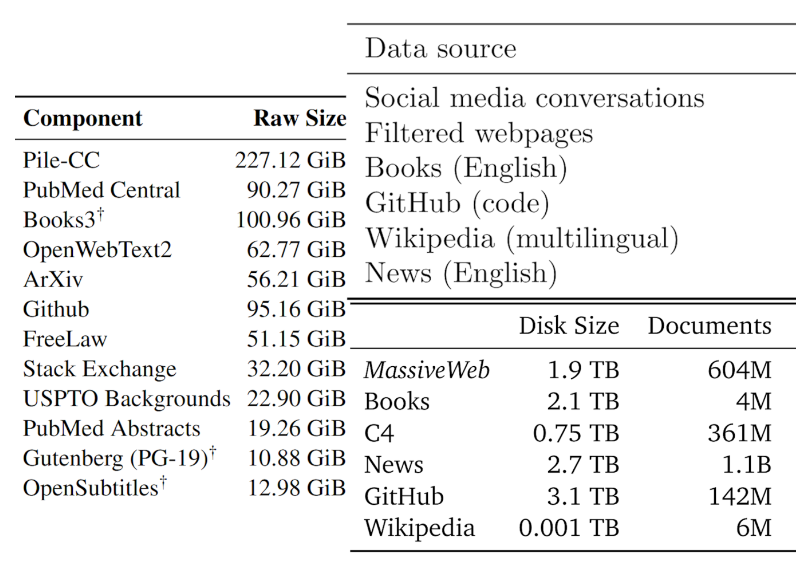
1. Pre-training: In this initial phase, the model is fed a colossal amount of unlabeled text—essentially, a huge portion of the public internet, digital books, and other text sources. Its goal is to learn the general rules of language by predicting missing words in sentences. For example, it might be given the phrase “The quick brown fox ___ over the lazy dog” and have to predict the word “jumps.” This process, known as self-supervised learning, is repeated billions of times, allowing the model to build a robust internal representation of language.
2. Fine-tuning: After pre-training, the general model is adapted for specific tasks. During fine-tuning, the model is trained on a smaller, curated dataset of high-quality examples. For a conversational AI, this might be a dataset of questions and answers. This stage refines the model's abilities, aligns its responses with human expectations, and reduces the likelihood of it generating harmful or inaccurate content.
What Are LLMs Used For?
The ability of LLMs to understand and generate text has unlocked a wide range of applications across many industries. They are becoming powerful tools for both everyday tasks and complex problem-solving.
| Application | Description |
|---|---|
| Content Creation | Writing articles, marketing copy, emails, and even creative fiction. |
| Summarization | Condensing long documents, articles, or meetings into key points. |
| Translation | Translating text between different languages with high accuracy. |
| Chatbots & Assistants | Powering sophisticated conversational agents for customer service or personal help. |
| Code Generation | Writing and debugging code in various programming languages based on natural language descriptions. |
| Information Retrieval | Answering complex questions by synthesizing information from multiple sources. |
From helping a student draft an essay to enabling a developer to write code faster, LLMs are fundamentally changing how we interact with information and technology.