Effective Self-Advocacy Without Discomfort
Understanding Neurodiversity
What Is Neurodiversity?
Think about the incredible variety of life on Earth. We call this biodiversity, and it’s what makes ecosystems resilient and vibrant. A similar concept applies to the human brain. The idea that brain differences are natural, normal variations is called neurodiversity.
neurodiversity
noun
The range of differences in individual brain function and behavioral traits, regarded as part of the normal variation in the human population.
This framework shifts the conversation away from terms like “normal” and “abnormal.” Instead, it recognizes that everyone’s brain develops uniquely. Some people are neurotypical, meaning their brain functions and processes information in ways that society expects. Others are neurodivergent, meaning their brains function, learn, and process information differently.
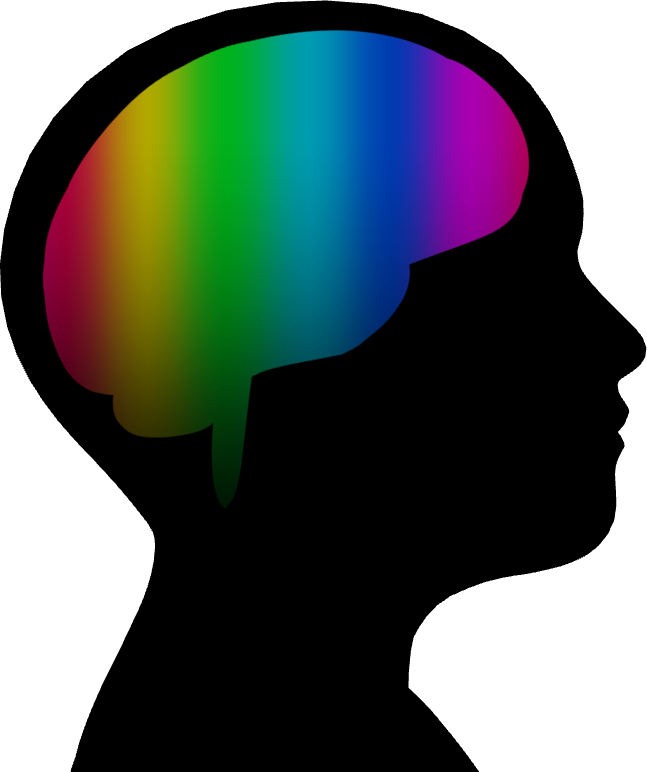
Neither way is inherently better than the other. They are simply different neurological makeups. Neurodiversity isn't a diagnosis or a condition; it's a biological fact that describes the rich variety within humanity.
Common Forms of Neurodivergence
Neurodivergence is an umbrella term that covers many different neurological profiles. While everyone's experience is unique, some of the most recognized forms include:
Autism Spectrum Disorder (ASD): This affects how a person perceives the world and interacts with others. Autistic individuals may have distinct ways of socializing, deep and focused interests, a need for routine, and heightened sensory sensitivity.
These traits are not deficits but simply a different way of experiencing and processing the world around them.
Attention-Deficit/Hyperactivity Disorder (ADHD): Characterized by patterns of inattention, hyperactivity, and impulsivity. While these traits can create challenges with focus and organization, people with ADHD often exhibit high levels of creativity, energy, and the ability to think outside the box.
This can make them excellent problem-solvers and innovators.
Dyslexia: A specific learning difference that primarily affects the skills involved in accurate and fluent word reading and spelling. Despite challenges with written language, dyslexic individuals frequently have strong skills in areas like spatial reasoning, creativity, and big-picture thinking.
It’s important to remember that these are just a few examples. Neurodiversity also includes conditions like Tourette's syndrome, dyspraxia, and dyscalculia, among others. Many individuals may also identify with more than one type of neurodivergence.
Neurodiversity in the Workplace
When teams are built with people who think differently, they become more creative, innovative, and effective. A team where everyone has the same background and thinking style is likely to approach problems in the same way. A neurodiverse team brings a variety of perspectives, skills, and problem-solving approaches to the table.
Embracing Neurodiversity: Instead of viewing ADHD as a limitation, neurodivergent entrepreneurs are reframing it as a unique perspective that adds value to their ventures.
For example, an autistic employee's intense focus and attention to detail could be invaluable for quality control or data analysis. A dyslexic team member’s strengths in spatial reasoning might make them a natural at design or engineering. An employee with ADHD could be a source of constant innovation and creative energy, sparking new ideas that others might miss.
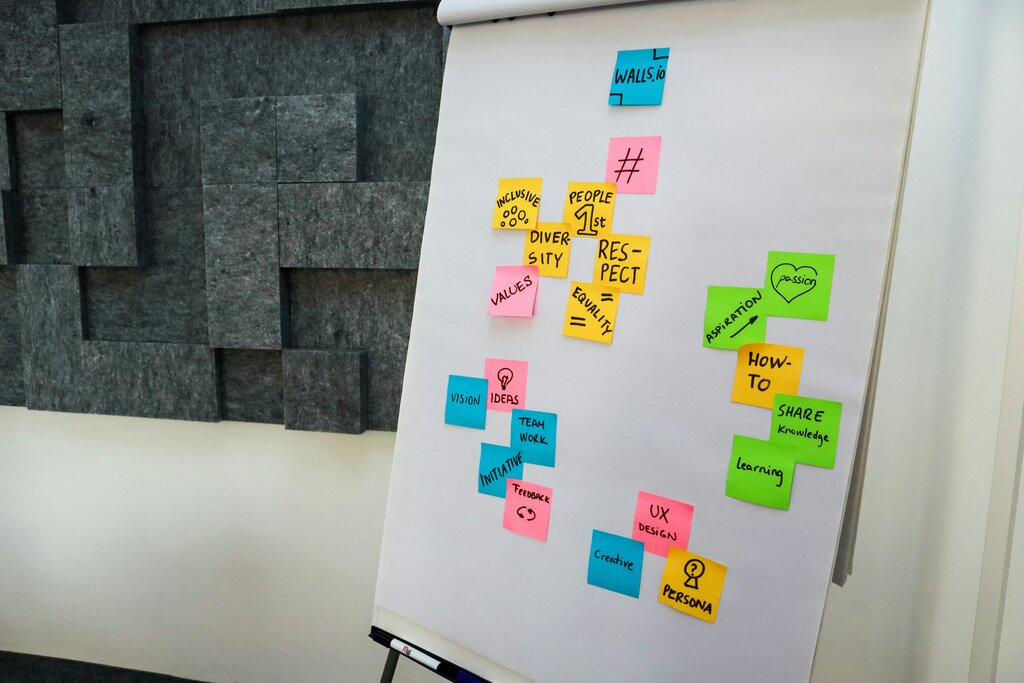
However, traditional work environments, often designed for neurotypical individuals, can present significant hurdles for neurodivergent people. Challenges can include:
- Sensory Overload: Open-plan offices with bright lights, constant noise, and frequent interruptions can be overwhelming.
- Unstructured Processes: Ambiguous instructions, unclear expectations, and frequent changes in priority can be difficult to navigate.
- Interview Practices: Traditional interviews that rely heavily on unspoken social cues and abstract questions may not allow neurodivergent candidates to demonstrate their true abilities.
- Social Misunderstanding: Differences in communication styles or social interaction can sometimes lead to misinterpretations or feelings of exclusion.
Recognizing these challenges is the first step toward creating a more inclusive and effective workplace. When organizations make an effort to understand and accommodate neurological differences, they unlock the full potential of all their employees.
Now, let's test your understanding of these concepts.
What is the fundamental concept of neurodiversity?
A company wants to build a more innovative product development team. How would hiring neurodivergent individuals support this goal?
Building inclusive environments starts with understanding that there is no single "right" way for a brain to work. By valuing the full spectrum of human neurology, we can create stronger, more innovative teams and communities.