Effective Seduction Strategies
Understanding Self-Awareness
The Foundation of You
Before you can build a strong connection with someone else, you need a solid foundation for yourself. That foundation is self-awareness. It’s the practice of paying attention to your own thoughts, feelings, values, and actions. It means knowing who you are, what you stand for, and what makes you tick.
Self-awareness is paramount in establishing and nurturing balanced relationships, leading to clear communication, mutual respect, and profound understanding.
Without self-awareness, you might find yourself in relationships that don't feel right, reacting to situations in ways you don't understand, or struggling to express what you truly want. When you know yourself, you can show up as your authentic self, which is the only way to form a genuine, lasting bond.
Techniques for Self-Reflection
So, how do you become more self-aware? It’s not a one-time event, but an ongoing practice of checking in with yourself. One of the most effective methods is journaling. You don't need to write a novel. Just a few minutes each day can make a huge difference.
Try asking yourself a few simple questions:
- What did I feel today? Why?
- When was I most energized?
- What drained my energy?
- Is there anything I wish I’d done differently?
The goal isn't to judge your answers, but simply to observe them. Think of it as gathering data about your own internal operating system.
Another powerful technique is mindfulness. This means paying attention to the present moment without judgment. You can do this through meditation, but it can also be as simple as noticing the feeling of your feet on the ground as you walk, or truly tasting your morning coffee. These small moments of presence help quiet the external noise and tune into your inner state.
What Matters Most to You?
Your values are your personal guideposts. They are the principles that are most important to you, like honesty, creativity, security, or adventure. When your actions align with your values, you feel content and authentic. When they don't, you often feel uneasy or conflicted, even if you can't pinpoint why.
To identify your core values, think about moments in your life when you felt proud or deeply fulfilled. What were you doing? What about that experience made it so meaningful? Your values are hidden in those answers.
Understanding your values helps you choose a partner who is compatible with your core self, not just someone who likes the same movies or music.
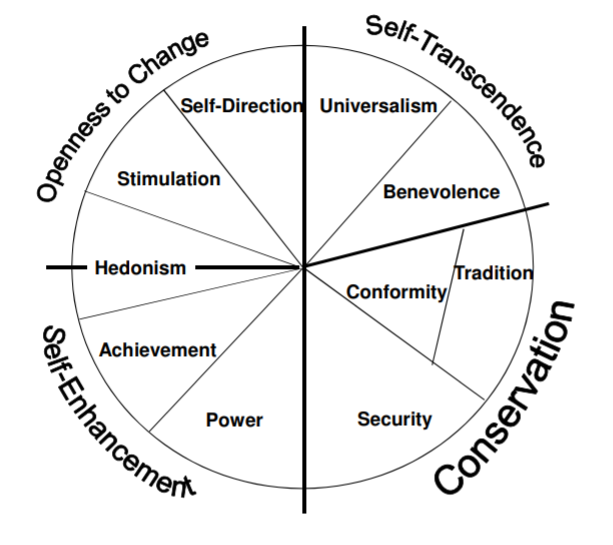
Your beliefs also shape your reality. These are the stories you tell yourself about the world, about others, and about yourself. Some beliefs are empowering (“I am capable of love”), while others are limiting (“I am not good enough”). Recognizing your beliefs, especially the limiting ones, is the first step toward changing them.
Understanding Your Triggers
An emotional trigger is anything that sparks a strong, often negative, emotional reaction. It could be a specific word, a tone of voice, or a particular situation. For example, feeling ignored might be a trigger for you, causing you to feel intense anger or sadness that seems disproportionate to the situation.
These reactions are often rooted in past experiences. Identifying your triggers isn't about blaming the past; it's about understanding your present. When you know what sets you off, you can learn to manage your reactions instead of letting them manage you.
Next time you have a strong emotional reaction, pause. Instead of getting lost in the feeling, get curious about it. Ask yourself: What just happened? What story am I telling myself about this? This brief pause creates space between the trigger and your reaction, giving you the power to choose how you want to respond.
Now let's check your understanding of these ideas.
What is described as the essential foundation for building a strong connection with another person?
According to the text, identifying your emotional triggers is primarily about:
Building self-awareness is a journey, not a destination. By consistently practicing self-reflection, you create a stronger, more authentic self—the perfect foundation for a healthy relationship.