Effective Parenting Strategies
Understanding Child Development
The Blueprint of Growth
Watching a child grow is like watching a building being constructed. There’s a blueprint, a natural sequence of events that unfolds over time. This journey is called child development, and it covers everything from a baby’s first grasp to a teenager’s complex thoughts.
Development happens across four main areas: physical, cognitive, social, and emotional. Physical development includes motor skills, like crawling and walking. Cognitive development is about how children think, learn, and solve problems. Social and emotional development covers how they interact with others, understand feelings, and build relationships. All these areas are interconnected, with progress in one often supporting growth in another.
Developmental Milestones
Milestones are specific skills or abilities most children can do by a certain age. They’re like checkpoints along the developmental journey. It’s important to remember that every child follows their own unique timeline. Milestones are guides, not strict deadlines.
| Age Group | Physical | Cognitive | Social & Emotional |
|---|---|---|---|
| Infancy (0-1 year) | Lifts head, rolls over, sits without support, crawls, may start walking. | Recognizes faces, follows objects with eyes, finds partially hidden objects. | Smiles at people, cries differently for different needs, shows stranger anxiety. |
| Toddlerhood (1-3 years) | Walks independently, begins to run, climbs stairs, builds towers with blocks. | Says several single words, points to things in a book, sorts shapes and colors. | Shows independence, has temper tantrums, starts to play alongside other children. |
| Preschool (3-5 years) | Hops and stands on one foot, throws a ball overhand, uses scissors. | Names some colors and numbers, tells stories, understands the idea of counting. | Cooperates with other children, shows more empathy, wants to please friends. |
| School Age (6-12 years) | Develops coordination for sports, improves handwriting, masters complex physical skills. | Begins to think logically, understands conservation (e.g., liquid in different cups), reads. | Forms stronger friendships, understands others' perspectives, develops a sense of self. |
Seeing these milestones emerge is exciting, but it's the process behind them that's truly fascinating. It all starts in the brain.
How Early Experiences Shape the Brain
A child’s brain is a powerhouse of potential. From birth, it’s busy forming connections, called synapses, at an incredible rate. Every new experience—a lullaby, a game of peek-a-boo, a comforting hug—helps build and strengthen these neural pathways.
Think of it like building a city’s road system. At first, there are only a few main roads. But as the city grows, more streets, bridges, and highways are added, creating a complex and efficient network. Positive, responsive interactions act as the construction crew, laying down strong, reliable connections. When a baby babbles and a parent babbles back, a neural connection is reinforced. This back-and-forth shapes the brain’s architecture.
Early experiences have a lasting impact because the brain is most adaptable during these formative years. This period of high plasticity means the foundation for future learning, behavior, and health is being set.
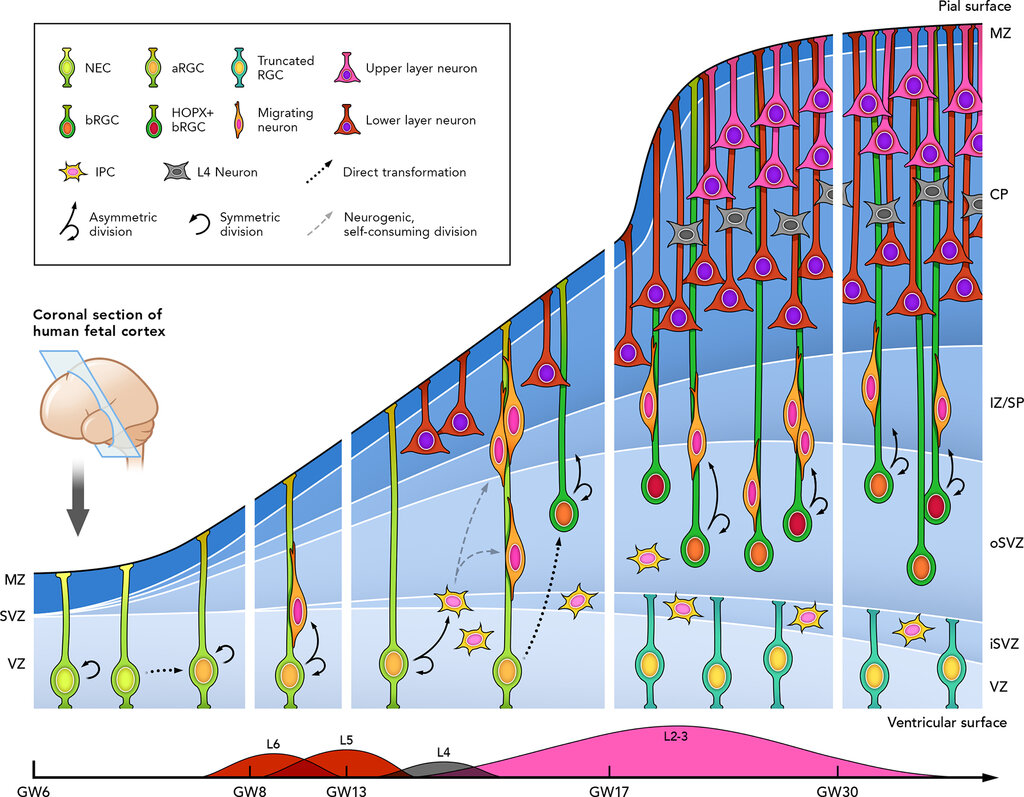
To promote your child’s cognitive development, it is important that you actively engage in quality interactions on a daily basis.
The Serious Business of Play
For children, play isn't just for fun—it's how they learn about the world. It’s their primary way of exploring, experimenting, and making sense of their experiences. Play is the engine of development.
When a toddler stacks blocks, they’re not just making a tower. They’re learning about gravity, balance, and cause and effect. When preschoolers engage in pretend play, like running a restaurant or caring for a doll, they are practicing social skills, negotiating roles, and developing empathy. They learn to share, take turns, and solve conflicts. Play is essential for building the creative problem-solving and social-emotional skills they'll need for a lifetime.
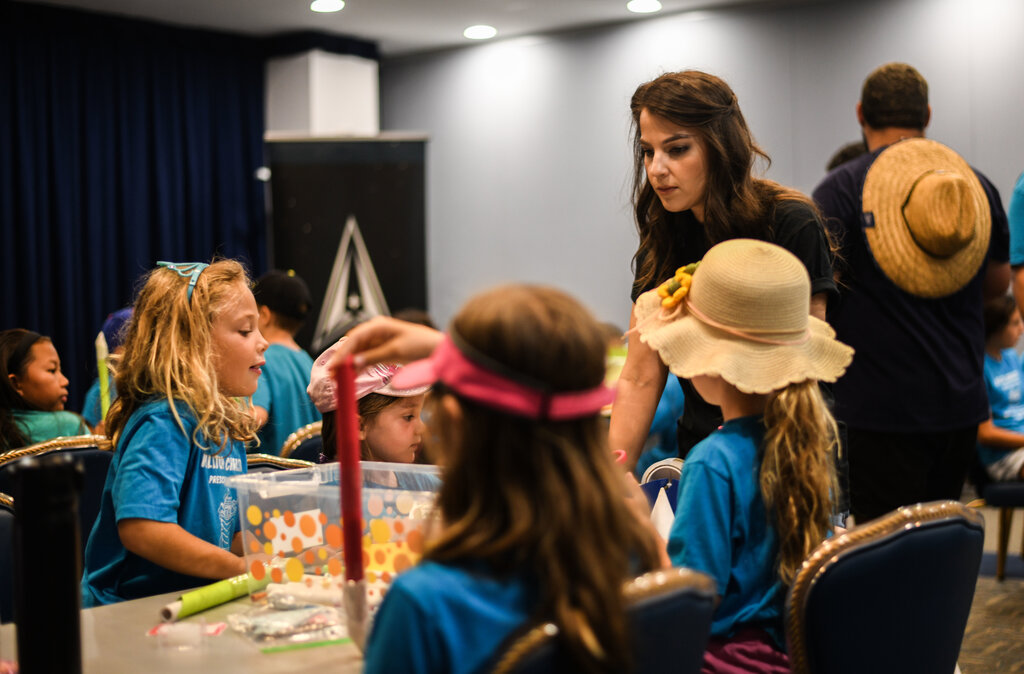
Understanding these core concepts allows you to see your child’s growth in a new light. It’s not just about getting bigger; it's about the intricate and amazing process of becoming a person.
Let's check what you've learned.
Which of the following lists the four main areas of child development discussed?
Developmental milestones are strict deadlines that every child must meet at a specific age.
By recognizing the stages of development, the power of early experiences, and the importance of play, parents can provide the supportive environment a child needs to flourish.