Effective Parenting Strategies
Understanding Child Development
The Journey of Growth
A child's journey from birth to adolescence is a remarkable story of transformation. To understand this process, we often look at development in four key areas: physical, cognitive, emotional, and social. These domains are deeply connected, with progress in one area often influencing another. A toddler learning to walk (a physical skill) can now explore new parts of a room, which fuels their cognitive curiosity.
Child development is a beautifully complex process that spans multiple domains—cognitive, social, emotional, and physical.
Watching these changes unfold helps us appreciate what's happening at each stage and set realistic expectations for a child's behavior and abilities.
Physical Milestones
Physical development is often the most visible sign of growth. It includes everything from gaining height and weight to developing motor skills. We can split these into two types:
- Gross motor skills: These involve the large muscles in the arms, legs, and torso. Think of big movements like rolling over, sitting up, crawling, walking, and running.
- Fine motor skills: These use the small muscles in the hands and fingers for precise actions like grasping a toy, drawing with a crayon, or buttoning a shirt.
Progress isn't always linear. Children develop at their own pace, with skills emerging in a general sequence but not on a strict timetable.
| Age Group | Common Physical Milestones |
|---|---|
| Infant (0-1 year) | Lifts head, rolls over, sits without support, crawls, pulls to stand. |
| Toddler (1-3 years) | Walks and runs, climbs stairs, kicks a ball, begins to use utensils. |
| Preschooler (3-5 years) | Hops on one foot, catches a ball, draws simple shapes, dresses self. |
| School-Age (6-12 years) | Rides a bike, develops coordinated sports skills, improved handwriting. |
| Adolescent (13-18 years) | Experiences growth spurts, develops greater strength and endurance. |
Cognitive Development
Cognitive development is all about how children think, learn, solve problems, and understand the world. An infant's learning is sensory, based on what they can see, hear, and touch. They learn that shaking a rattle makes noise, a fundamental lesson in cause and effect.
As children grow, their thinking becomes more complex. A toddler can follow simple instructions, and a preschooler can engage in imaginative play, creating entire worlds from their thoughts. This pretend play is actually a sophisticated cognitive exercise.
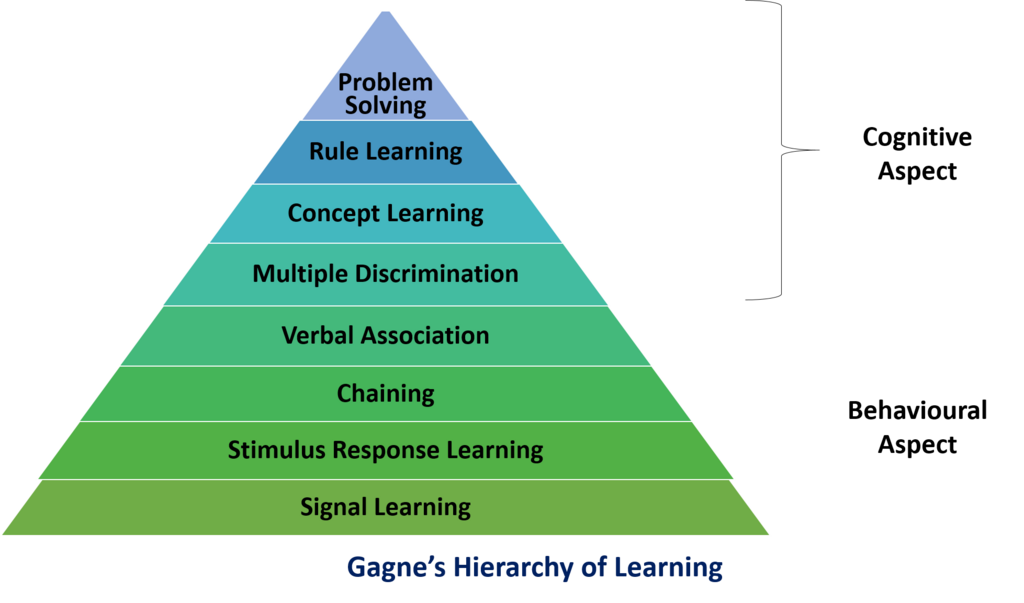
By school age, children start to think more logically, which helps them grasp concepts in math and science. In adolescence, they develop the ability for abstract thought. This is when they can grapple with complex ideas like justice, morality, and their own future.
Emotional and Social Growth
This area of development covers how children understand their own feelings and learn to interact with others. It starts with the bond between an infant and their caregivers, which forms the foundation for all future relationships.
Toddlers are famous for big emotions and tantrums. This isn't misbehavior; it's a sign that they are experiencing a wide range of feelings but don't yet have the language or self-control to manage them. As they enter the preschool years, they begin to learn about sharing, taking turns, and empathy by playing with other children.

School-age children form more complex friendships and learn to navigate social rules and group dynamics. Adolescence brings another major shift, as teens work on forming their own identity separate from their family. Friendships become incredibly important, and they practice navigating more mature social and emotional relationships.
Recognizing these milestones offers a roadmap for tracking a child's progress. Each stage builds on the last, creating a unique individual.
Understanding these developmental stages helps us see children for who they are at each point in their journey. It allows us to appreciate their current abilities while looking forward to the amazing growth still to come.