Effective Parenting Communication Phrases
Language Impact Analysis
The Power of Your Words
The way you speak to a child does more than manage behavior; it actively shapes their neurological and emotional landscape. Often, what we perceive as helpful correction can unintentionally trigger shame or defensiveness, prioritizing short-term compliance over long-term security. In this chapter, we will decode the subtle linguistic cues that transform instructions into implicit threats and explore how to shift toward connection-based communication. By the end, you will understand how to frame your language to foster cognitive integration and a deeper sense of safety.
The Anatomy of Compliance Based Communication
When the living room is a whirlwind of toys and the clock is ticking toward bedtime, it is natural to reach for the most efficient tool in your kit: language that gets results now. This is the heart of (CBC). It is a style of interaction where the primary goal is external control. Whether through a stern warning, a conditional reward, or a sigh of disappointment, CBC relies on external pressure to elicit an immediate change in a child's behavior.
Parents do not use these strategies out of malice; they use them because they are exhausted and need order. In the heat of a chaotic moment, saying "Because I said so" feels like a lifeline. However, the mechanism of CBC often functions through . It sends a message that the child’s belonging or safety is tied to their performance. While this might stop the shouting or start the cleanup, it bypasses the child's internal reasoning, teaching them to react to pressure rather than to understand the 'why' behind the rules.
Compliance-Based Communication focuses on managing the behavior you can see, often at the expense of the emotional health you cannot see.
We often mask CBC in phrases that sound polite or even encouraging. Consider these three common parenting staples:
-
"Good job listening!": While it sounds like praise, it is often a label for the child’s submission. It rewards the act of following orders rather than the task itself.
-
"If you don't pick up your shoes, then no dessert.": This is a classic disguised as a logical consequence. It introduces a power struggle where the parent holds a hostage (the dessert) to force an action.
-
"Why can't you just be helpful like your sister?": This uses shame through comparison. It signals that the child is currently 'unhelpful' and failing to meet a standard set by someone else.
The Neurological Impact of Pressure
These 'polite' phrases have a profound impact on the developing brain. When a child hears a conditional threat or a shaming comparison, their brain does not stay in a state of learning. Instead, it shifts into survival mode. The , the brain's alarm system, activates. It perceives the parent’s pressure as a threat to the child's relational security.
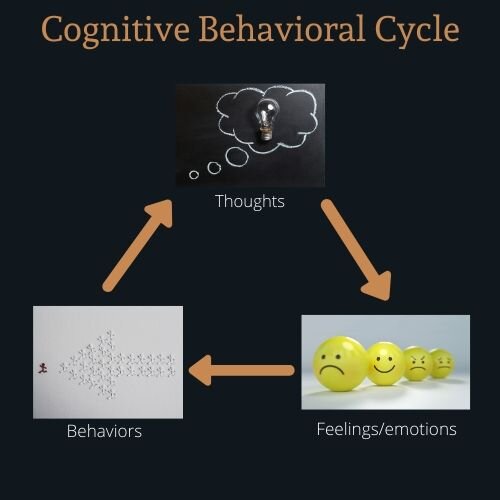
When the amygdala is in charge, the —the center for reasoning, empathy, and problem-solving—goes offline. This creates a 'compliance trade-off.' You might get the shoes picked up, but the child has lost the opportunity for cognitive integration. They aren't learning why shoes belong in the cubby; they are simply learning how to avoid the 'alarm' triggered by their parent's voice.
The Hidden Cost of Compliance
Imagine a child, Leo, who is refusing to leave the park. His mother, feeling the pressure of a dinner deadline, says, "If you don't come now, we aren't coming back tomorrow." Leo, fearing the loss of his favorite activity, bursts into tears but walks to the car.
In this scenario, the mother achieved her goal. The behavior changed. But notice the cost: Leo didn't learn to manage his transition or regulate his disappointment. He simply surrendered to pressure. Over time, this erosion of becomes the hidden price of CBC. When language is used as a tool for control rather than a bridge for connection, the child learns that their parent is someone to be managed or avoided, rather than a safe harbor for emotional growth.
Understanding this problem space is the first step toward change. We have seen how CBC activates the brain's alarm systems and prioritizes the moment over the relationship. In the next section, we will begin looking at the alternative: communication that builds the brain up instead of shutting it down.