Effective Pain Management Strategies
Introduction to Pain Management
What Is Pain?
Pain is your body's alarm system. It's an unpleasant sensation that signals something is wrong, like an injury or illness. Think of it as a message from your nerves to your brain, telling you to pay attention. This signal is crucial for survival—it teaches you to pull your hand away from a hot stove or to rest an injured ankle.
But pain isn't just a physical sensation. It also involves your emotions and thoughts, which is why the same injury can feel different to different people, or even to the same person at different times. While its purpose is to protect you, sometimes this system goes haywire. Pain is generally classified into two main categories based on how long it lasts: acute and chronic.
Acute vs Chronic Pain
Acute pain is short-term. It starts suddenly and has a clear cause, like a cut, a broken bone, or post-surgery discomfort. This type of pain typically goes away once the underlying injury heals. It’s the body's normal, time-limited response to damage.
Chronic pain is different. It's pain that lasts longer than three months, persisting well after the original injury has healed. Sometimes, it happens without any clear cause at all. Conditions like arthritis, fibromyalgia, and persistent back pain are common examples. Unlike acute pain, chronic pain serves no protective purpose. The alarm keeps ringing long after the danger has passed, becoming a condition in itself.
| Feature | Acute Pain | Chronic Pain |
|---|---|---|
| Duration | Short-term (minutes to weeks) | Long-term (3+ months) |
| Cause | Usually a specific injury or illness | May or may not have a clear cause |
| Purpose | Protective; signals a problem | No useful purpose; is the problem |
| Outcome | Resolves as the body heals | Persists and may not improve |
How We Measure Pain
Because pain is a personal experience, it can't be measured with a device like a thermometer. A doctor can't see or feel your pain, so they rely on you to describe it. This is called pain assessment, and it's a critical step in finding the right way to manage it.
The most common tools are pain rating scales. You might be asked to rate your pain on a scale from 0 to 10, where 0 is 'no pain' and 10 is the 'worst pain imaginable.' For children or people who have trouble with numbers, doctors often use the FACES scale, which uses a series of facial expressions from smiling to crying.
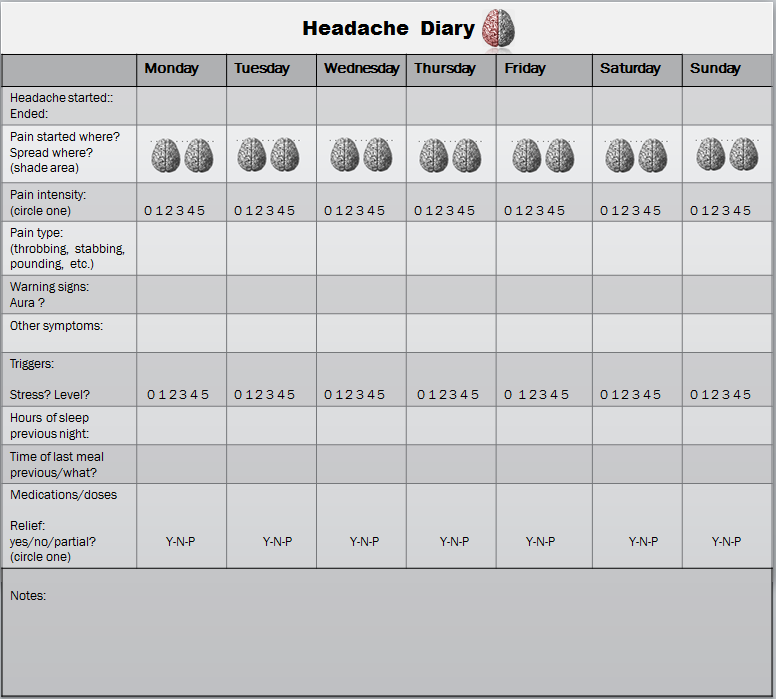
For chronic pain, a single rating isn't enough. Your healthcare provider might ask you to keep a pain diary to track how your pain changes throughout the day, what makes it better or worse, and how it affects your daily activities like sleep, work, and mood. This detailed record helps create a more complete picture of your experience.
The Cost of Unmanaged Pain
Leaving pain untreated isn't just about being uncomfortable. It can have serious, far-reaching consequences on a person's health and well-being. When pain isn't managed effectively, it can disrupt nearly every aspect of life.
Physically, unmanaged acute pain can slow down recovery from surgery or injury, increase the risk of complications like blood clots, and even evolve into chronic pain. Chronic pain itself can lead to tense muscles, limited mobility, fatigue, and changes in appetite.
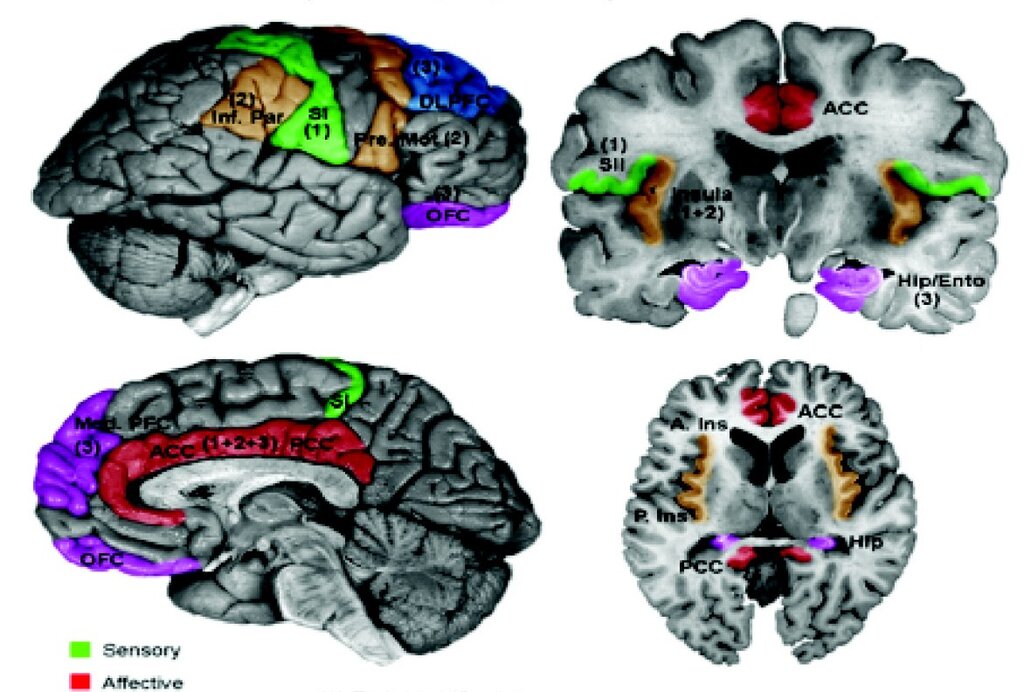
The emotional and psychological toll is just as significant. Living with constant pain can lead to feelings of anger, hopelessness, anxiety, and depression. It can interfere with sleep, harm relationships, and make it difficult to work or enjoy hobbies. This is why effective pain management is a vital part of healthcare—it’s about restoring function and improving quality of life, not just silencing an alarm.
Unmanaged pain can create a vicious cycle: pain causes stress and poor sleep, which in turn can make the pain feel even worse.
Now, let's test your understanding of these fundamental concepts.
What is the primary purpose of the sensation of pain?
Pain that lasts for more than three months, even after an initial injury has healed, is classified as ________ pain.
Understanding what pain is, its different types, and why assessment is so important is the first step toward managing it effectively. This foundation helps ensure that pain is treated as the serious health issue it is.