Effective Employee Feedback
Understanding Feedback
Feedback as a Tool for Growth
Feedback is essential information about a person's performance that is used as a basis for improvement. In the workplace, it’s not just about pointing out mistakes; it’s a crucial tool for professional development, team alignment, and overall company health. Think of it like a compass. Without it, you might be working hard, but you could be heading in the wrong direction.
Regular, clear feedback helps employees understand what they’re doing well and where they can improve. It clarifies expectations, reduces uncertainty, and builds confidence. When people know where they stand, they can better contribute to their team's goals and grow in their roles. For an organization, a strong feedback culture leads to a more skilled, motivated, and engaged workforce.
Constructive vs. Destructive Feedback
Not all feedback is created equal. Its value depends entirely on how it's delivered. The goal is always to be constructive, which means building someone up, not tearing them down.
Constructive
adjective
Serving a useful purpose; tending to build up.
Constructive feedback is specific, objective, and focused on behavior rather than personality. It aims to solve problems and encourages growth. Destructive feedback, on the other hand, is often vague, personal, and blaming. It leaves the recipient feeling defeated instead of motivated.
| Characteristic | Constructive Feedback | Destructive Feedback |
|---|---|---|
| Focus | Specific actions or behaviors | Personal traits or character |
| Goal | To help and improve | To blame or criticize |
| Tone | Supportive and collaborative | Accusatory and judgmental |
| Impact | Motivates and empowers | Demoralizes and discourages |
For example, saying, “The introduction to your report was unclear because it didn't state the main thesis,” is constructive. It points to a specific issue. In contrast, “This report is lazy work,” is destructive. It's a personal attack with no clear path to improvement.
Why It Matters
Providing effective feedback is one of the most important things a leader can do. When done right, it creates a cascade of positive effects that benefit everyone.
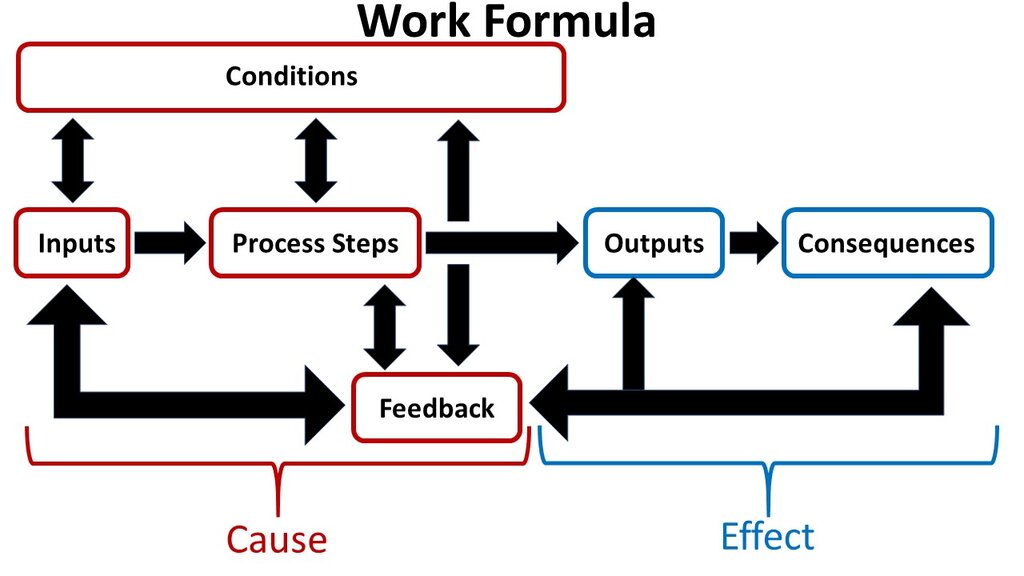
Feedback can help improve employee performance and create successful teams.
Key benefits include:
- Enhanced Performance: Clear, actionable feedback gives employees a roadmap for improving their skills and hitting their goals.
- Increased Engagement: When employees feel their growth is supported, they become more invested in their work and the company's success.
- Stronger Relationships: Honest and respectful feedback builds trust between managers and their team members, fostering a more open and collaborative environment.
- Higher Retention: People are more likely to stay with an organization that invests in their development. A positive feedback culture is a powerful retention tool.
Ultimately, constructive feedback isn't just a management task. It's a foundational part of a healthy, thriving workplace.