Effective Dog Training Fundamentals
Understanding Canine Behavior
The World Through a Dog's Senses
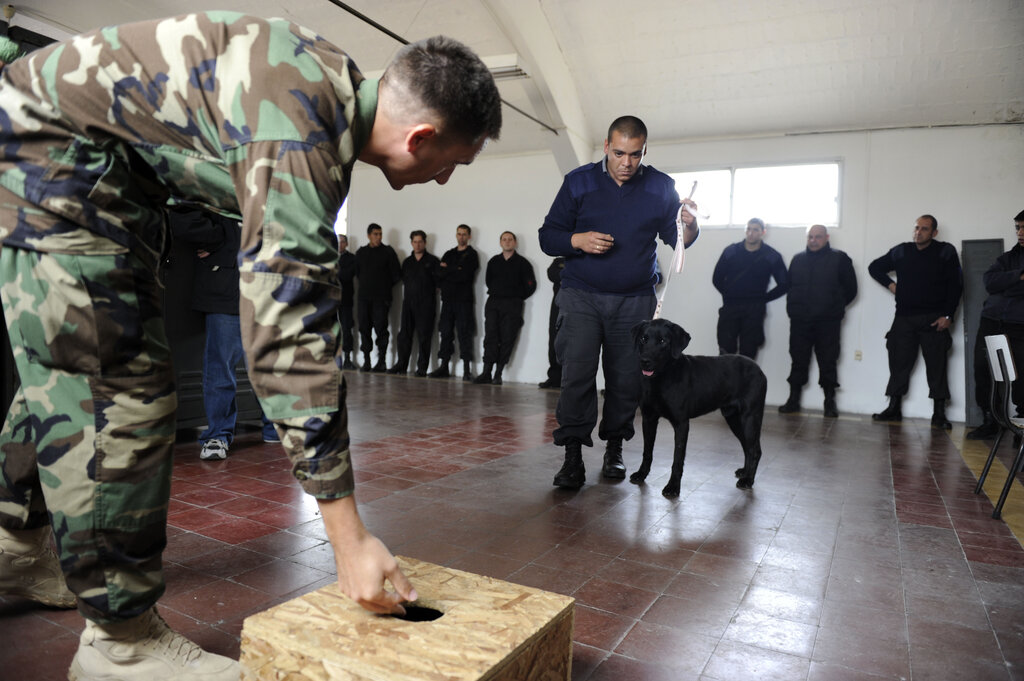
To understand a dog, you first have to appreciate how they experience the world. It’s a place dominated by smells. A dog's nose is thousands of times more sensitive than ours. While we might walk into a kitchen and smell soup, a dog smells each ingredient separately: the carrots, the chicken, the thyme. This incredible sense of smell is their primary way of gathering information about their surroundings, from identifying who has been in the area to detecting the emotional state of other animals.
Their hearing is also finely tuned. Dogs can hear a wider range of frequencies than humans, picking up high-pitched sounds we can't detect. This is why things like a 'silent' dog whistle work. Their vision, however, is different. While they see better than us in dim light and are excellent at detecting motion, their color vision is more limited. They see the world in shades of blue, yellow, and gray, not the rich spectrum of colors we perceive.
The Silent Language
Dogs communicate far more through their bodies than with their voices. Learning to read this body language is like learning a new language. The key is to look at the whole dog, not just one part. A wagging tail, for example, doesn't always mean a dog is happy. The context and the rest of the dog's posture are crucial.
A stiff, high-held, fast-wagging tail can signal agitation or a potential threat, while a relaxed, sweeping wag often indicates friendliness.
Ears are another important indicator. Are they relaxed and floppy? Perked up and forward, showing interest? Or pinned back against the head, which can mean fear or submission? The dog's eyes and mouth also tell a story. A soft, relaxed gaze is friendly, while a hard, direct stare can be a challenge. A relaxed, slightly open mouth with a lolling tongue is a sign of a calm dog, but a tightly closed mouth or curled lips can signal tension or aggression.

When a dog shows the whites of its eyes in a C-shape, often called 'whale eye,' it's a classic sign of stress or anxiety. Lip licking, yawning when not tired, and a tense body are also signals that a dog is uncomfortable with a situation.
What's in a Bark?
While body language is primary, vocalizations add another layer to communication. A dog's bark can vary greatly in pitch, frequency, and tone, each with a different meaning. A series of high-pitched barks might be a friendly greeting, while a single, sharp, lower-pitched bark can be a warning.
Dogs communicate through a combination of vocalizations, body language, and scent.
Growls are not always aggressive; they can also be a sign of playful interaction, especially during a game of tug-of-war. The context and accompanying body language will tell you the difference between a play growl and a 'back off' growl. Whines and whimpers often signal a need, like wanting to go outside, or can be a sign of excitement or distress.
Stress vs. Relaxation
Recognizing whether a dog is relaxed or stressed is fundamental to building trust and ensuring a positive environment. A relaxed dog will have a loose, fluid body posture. A stressed dog will often appear stiff and tense. The table below outlines some common signs to help you tell the difference.
| Signs of Relaxation | Signs of Stress |
|---|---|
| Loose, wiggly body | Tense, rigid body |
| Soft, relaxed eyes | 'Whale eye' (whites visible) |
| Gently wagging tail | Tucked tail |
| Ears in a neutral position | Ears pinned back |
| Mouth slightly open, soft pant | Tightly closed mouth, lip licking |
| Play bow | Yawning when not tired |
Paying attention to these signals allows you to understand your dog's emotional state. If you notice signs of stress, you can remove the dog from the situation or change the environment to make them more comfortable. This builds a foundation of communication and trust.
When a dog smells a complex meal like a stew, what is their primary experience?
Which of the following is a key difference between a dog's vision and human vision?