Effective Anti-Aging Skincare Routines
Skin Aging Basics
The Story Your Skin Tells
Skin aging is a natural part of life. While we often focus on the visible signs like wrinkles, the process starts deep within the skin's layers long before we see it in the mirror. Understanding what's happening beneath the surface is the first step to caring for your skin as it changes over time.
What Happens Beneath the Surface
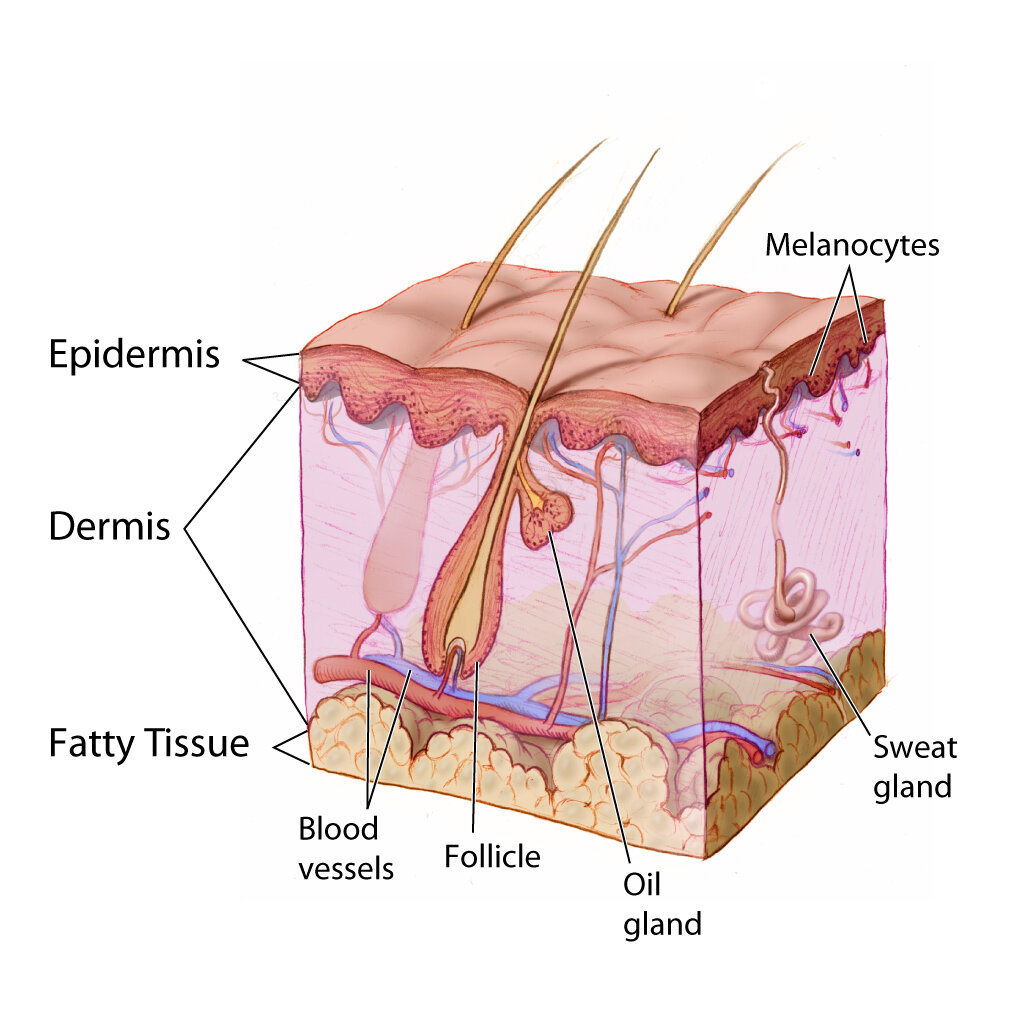
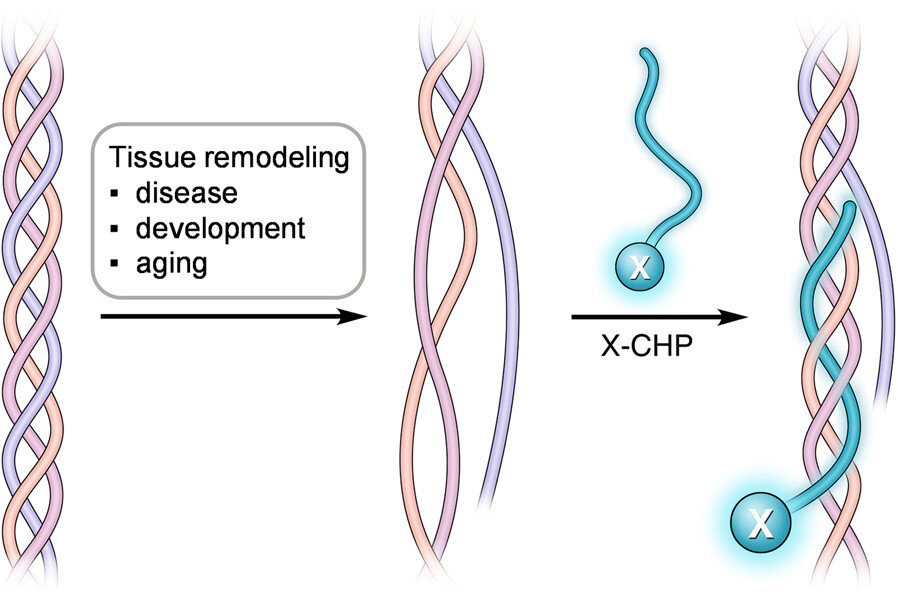
The middle layer of your skin, the dermis, is where much of the action happens. It's a dense network of fibers, primarily collagen and elastin. Think of collagen as the framework that gives your skin its firmness and structure. Elastin, as the name suggests, provides elasticity, allowing your skin to stretch and bounce back.
When we're young, our bodies produce plenty of both. But as we age, production slows down. The existing collagen and elastin fibers can also break down. With less of this structural support, the skin begins to lose its firmness and resilience.
Collagen
noun
The most abundant protein in the body, providing structure and strength to skin, bones, and connective tissues.
Another key process is cell turnover. The epidermis, your skin's outer layer, is constantly renewing itself. New cells are formed at the bottom of the epidermis and gradually move to the surface, where they die and are shed. In youth, this cycle takes about 28 days. As we get older, this process slows significantly. Fewer new cells and a build-up of old ones can leave the skin looking dull and feeling rough.
From Biology to Visible Signs
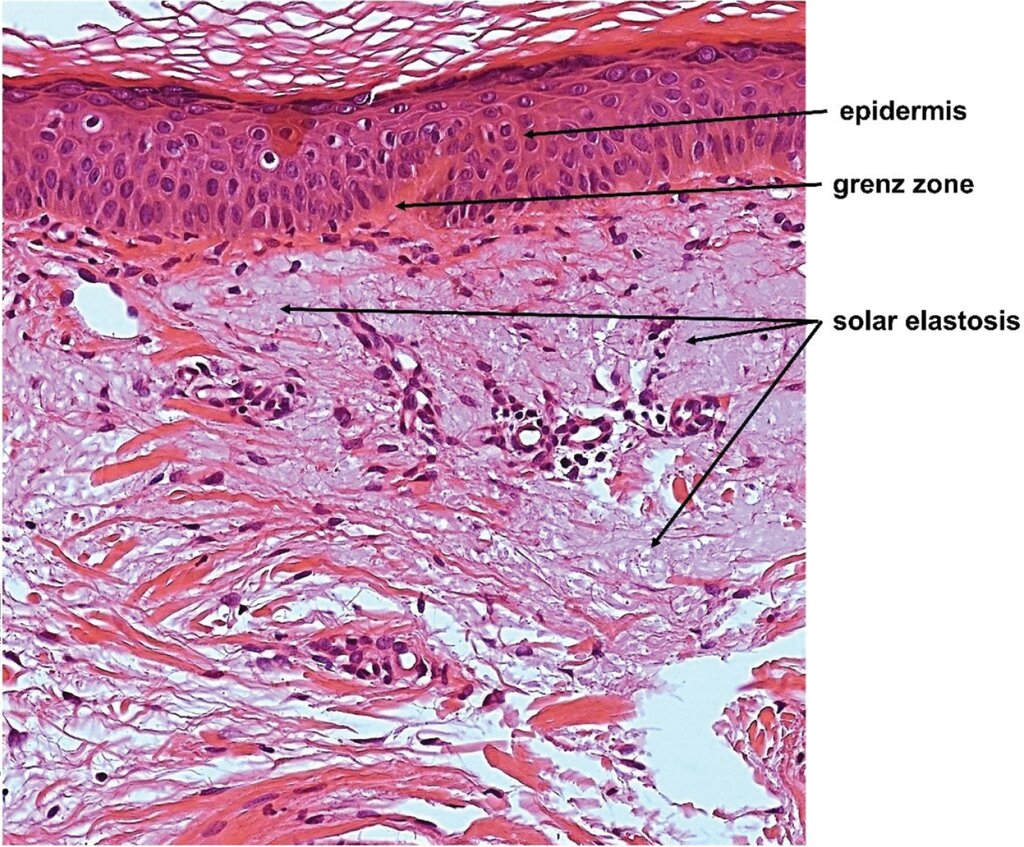
These internal changes eventually show up on the surface. The breakdown of collagen and elastin directly leads to fine lines, wrinkles, and sagging skin. Slower cell turnover contributes to a dull complexion and uneven texture.
You might also notice other changes. Oil glands can become less active, leading to drier skin. The distribution of pigment cells (melanocytes) can become less even, causing areas of hyperpigmentation, often called age spots or sun spots.
Common signs of aging include wrinkles, loss of firmness, dullness, uneven skin tone, and dryness. Each is linked to a specific biological change.
Factors That Speed Things Up
While genetics play a role in how your skin ages (intrinsic aging), your lifestyle and environment have a massive impact (extrinsic aging). The single biggest external factor is sun exposure. UV radiation accelerates the breakdown of collagen and elastin, a process known as photoaging. It's responsible for most of the visible signs of aging we associate with getting older.
Other factors also contribute. Smoking, for instance, constricts blood vessels, depriving the skin of oxygen and nutrients. Pollution, poor diet, and even stress can create free radicals—unstable molecules that damage cells, including those in your skin.
Understanding these processes empowers you to make informed decisions about skin health. Aging is inevitable, but how your skin ages is influenced by a combination of your biology and your choices.