EEO in Human Resource Management Case Study
Introduction to EEO
The Right to a Fair Chance
Equal Employment Opportunity, or EEO, is the principle that everyone should have an equal chance at getting a job, being promoted, and being treated fairly at work. It means that employment decisions should be based on a person's qualifications, skills, and performance, not on factors like their race, gender, religion, or national origin.
The goal of EEO is to create a level playing field where merit is what matters most.
This isn't just a nice idea; it's the law. EEO principles are embedded in a series of laws designed to prevent discrimination in the workplace. For Human Resource Management, understanding these laws is fundamental. It ensures that companies hire and manage employees in a way that is both fair and legal, creating a more diverse and productive work environment.
The Foundation of EEO Law
The modern concept of EEO in the United States has its roots in the Civil Rights Movement. Before the 1960s, discrimination in hiring and employment was common and legal. The push for civil rights brought workplace fairness to the national stage, leading to landmark legislation.
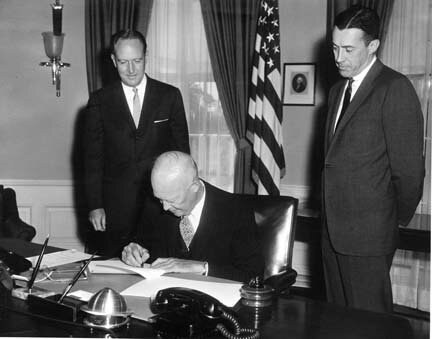
The most important of these laws is the Civil Rights Act of 1964. It was a groundbreaking piece of legislation that outlawed discrimination on a wide scale. For employment, the key part of the act is Title VII.
Title VII of the Civil Rights Act of 1964 makes it illegal for employers to discriminate against someone on the basis of race, color, religion, national origin, or sex.
This law applies to most employers with 15 or more employees, including private companies, labor unions, and government bodies. It covers all aspects of employment, from hiring and firing to promotions, pay, and working conditions.
While the 1964 act was a huge step forward, it needed more power to be effective. That's where the Equal Employment Opportunity Act of 1972 came in. This act amended Title VII and gave the newly formed enforcement agency more authority to take action against employers who violated the law.
The EEOC's Role
The agency responsible for upholding these laws is the U.S. Equal Employment Opportunity Commission, or EEOC. It was created by the Civil Rights Act of 1964.

The EEOC has several key functions:
| Function | Description |
|---|---|
| Enforcement | Investigates charges of discrimination against employers. |
| Litigation | Can file lawsuits against employers on behalf of victims if a resolution can't be reached. |
| Guidance | Issues regulations and guidance to help employers and employees understand the law. |
| Outreach | Provides education and training on EEO issues to prevent discrimination before it happens. |
When an employee believes they have been discriminated against, they can file a charge with the EEOC. The commission will then investigate the claim. This system provides a formal process for addressing and resolving workplace discrimination, ensuring that the principles of EEO are not just ideals, but enforceable rights.
What is the core principle of Equal Employment Opportunity (EEO)?
Which part of the Civil Rights Act of 1964 specifically addresses discrimination in employment?