Educational Research for Educators
Introduction to Educational Research
What Is Educational Research?
Educational research is a systematic way of asking questions and finding answers about teaching and learning. Think of it as a formal process for exploring what works in the classroom, why it works, and how we can do it better. Its main goal isn't just to gather information, but to improve educational experiences for every student.
Instead of relying on gut feelings or tradition, research uses deliberate methods to gather evidence. This evidence helps teachers, principals, and policymakers make informed decisions. Whether it's choosing a new reading curriculum, trying a different classroom management technique, or understanding student motivation, research provides a foundation for effective practices.
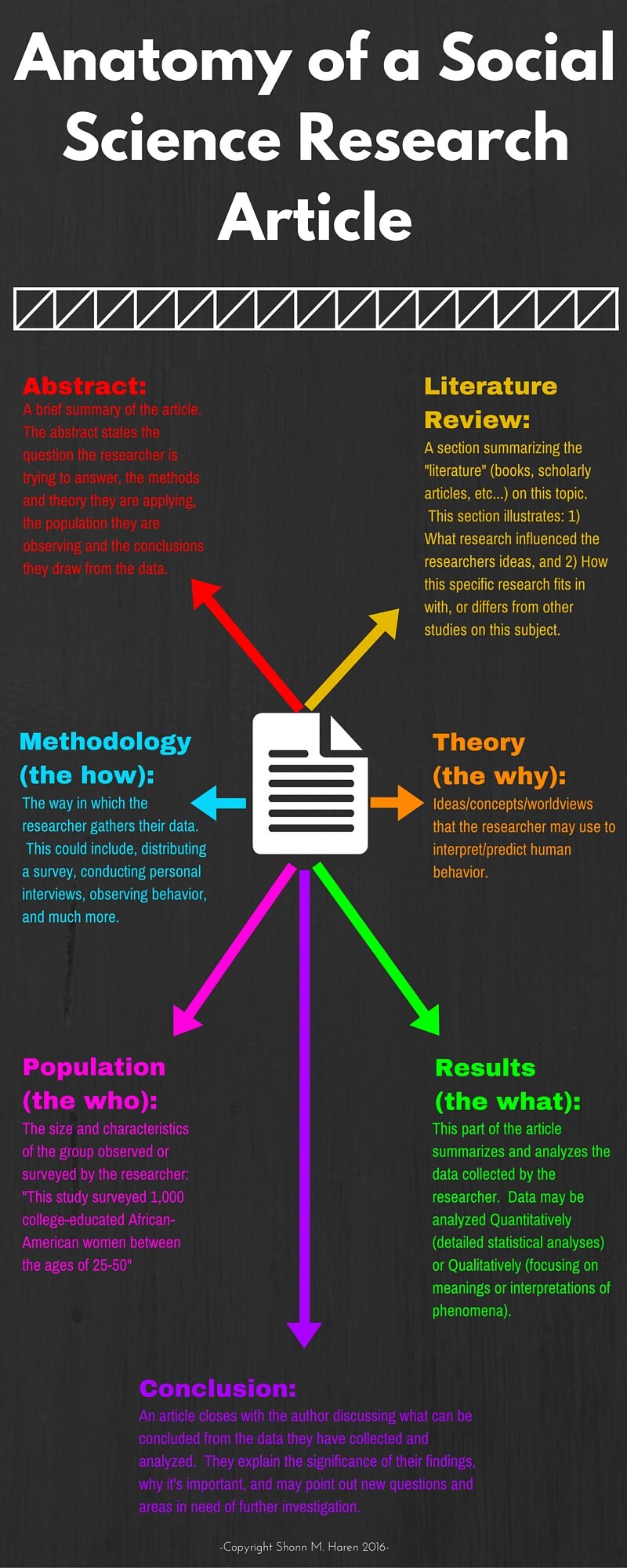
Three Flavors of Research
Educational research isn't a one-size-fits-all process. The method a researcher chooses depends on the question they're asking. There are three main approaches you'll encounter.
- Quantitative Research deals with numbers and statistics. It's focused on measuring things and testing hypotheses. Think large-scale surveys, test scores, and attendance data. For example, a study might measure the impact of a new teaching method on the test scores of 1,000 students.
This type of research seeks to find patterns, make predictions, and generalize findings to a larger population. It answers questions like "How much?" or "How many?"
- Qualitative Research deals with descriptions, observations, and words. It aims to understand concepts, experiences, and perspectives in depth. Think interviews, classroom observations, and case studies. For instance, a researcher might spend a semester in one classroom to understand how a specific technology tool changes student collaboration.
Qualitative research provides rich, detailed context and answers questions like "Why?" or "How?"
- Mixed-Methods Research combines both quantitative and qualitative approaches. This provides a more complete picture than either method could alone. A study might use a survey to measure student engagement levels across a district (quantitative) and then conduct in-depth interviews with a few students to explore the reasons behind those numbers (qualitative).
| Feature | Quantitative Research | Qualitative Research |
|---|---|---|
| Type of Data | Numbers, graphs, tables | Words, observations, images |
| Purpose | To test hypotheses, measure, and confirm | To explore ideas, understand experiences |
| Sample Size | Large | Small |
| Questions | How many? What is the impact? | Why? How? What are the experiences? |
From Research to Classroom
The most important role of educational research is to support evidence-based practice. This simply means using the best available evidence from research, along with your professional wisdom, to make decisions about your teaching.
It’s about asking, “What does the research say is most effective for teaching this concept to these students?” Instead of sticking to a method just because “it’s how I was taught,” you can draw on a global body of knowledge to inform your practice. For example, you might read several studies that show the benefits of project-based learning for student engagement. Based on that evidence, you might decide to incorporate a new project into your curriculum.
Effective pedagogy integrates theory, reflection, and inclusive methods to help learners actively engage with knowledge rather than passively receive it.
Engaging with research doesn't mean you have to adopt every new trend. It’s about becoming a thoughtful consumer of information who can find, evaluate, and apply relevant findings to improve student learning outcomes in your own unique classroom.
Playing by the Rules
Because educational research involves people, especially children, it must be conducted with the highest ethical standards. Researchers follow strict guidelines to protect the participants.
Key ethical principles include:
- Informed Consent: Participants (or their guardians) must voluntarily agree to be in a study and understand what it involves.
- Confidentiality: The privacy of participants is protected. Data is often anonymized so individuals cannot be identified.
- Do No Harm: The research must not cause any physical, emotional, or educational harm to participants. The potential benefits must always outweigh the risks.
Finally, it's important to evaluate research critically. Not all studies are perfect. When you read about a new finding, ask yourself a few questions:
Who participated in the study? Were they similar to my students?
How many people were included? A study with 10 students is very different from one with 10,000.
Who funded the research? Is there a potential bias?
Has this result been replicated in other studies?
Asking these questions helps you determine how much weight to give the findings and whether they're truly applicable to your own work.
Ready to check your understanding? Let's review the key ideas from this introduction to educational research.
What is the primary goal of educational research?
According to the text, evidence-based practice means using the best available research, along with professional wisdom, to make decisions about teaching.
By understanding the basics of educational research, you empower yourself to be a more effective, reflective, and evidence-informed educator.