Educational London for Kids
Introduction to London's Educational Landscape
A City-Sized Classroom
London isn't just a city; it's a living museum, a sprawling science lab, and a historical timeline all rolled into one. For children, its streets, buildings, and parks offer countless opportunities to learn by seeing and doing. The key is knowing where to look and how these diverse resources can bring subjects like science, history, and art to life.
Learning Among Giants
South Kensington is often called London's museum quarter, and for good reason. It's home to a trio of world-class institutions perfect for sparking a child's curiosity. The Natural History Museum, with its massive dinosaur skeletons and comprehensive collection of specimens, is a fantastic place to explore biology, evolution, and Earth science. It transforms abstract concepts into tangible wonders.
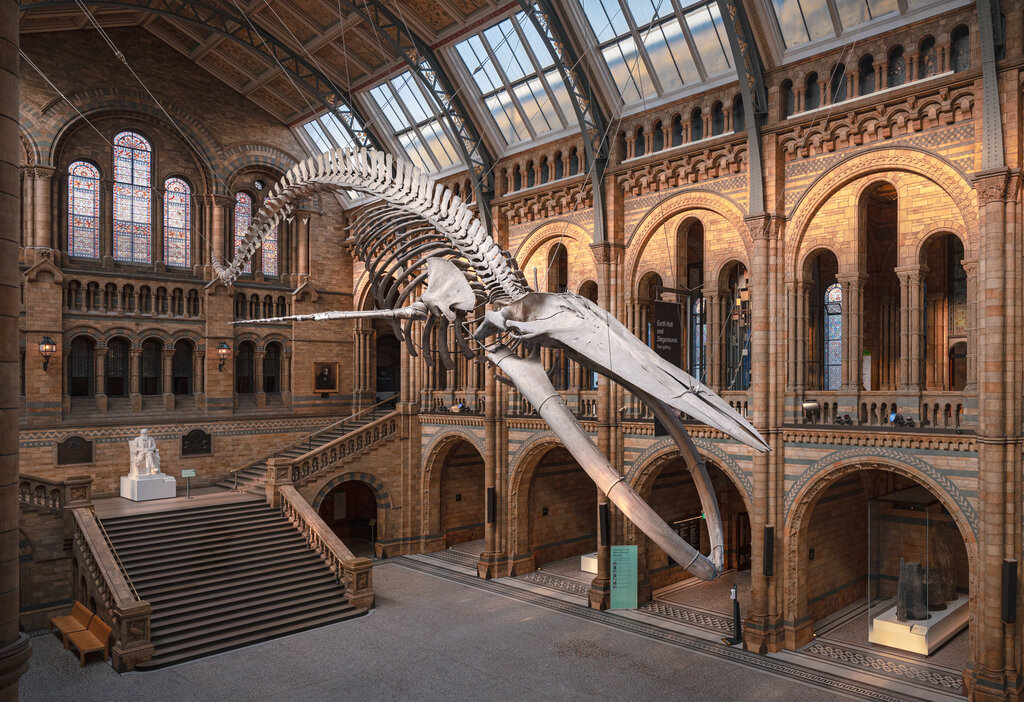
A short walk away, the Science Museum offers interactive exhibits that cover everything from space exploration to the history of computing. Here, children can get hands-on with scientific principles, making physics and technology feel less like a textbook subject and more like a playground. The British Museum, on the other hand, is a gateway to world history and culture. Seeing artifacts like the Rosetta Stone or Egyptian mummies can make ancient civilizations feel immediate and real, providing a powerful lesson in social studies and art history.
These museums don't just display objects. They tell stories about our planet, our ingenuity, and our shared human past, offering structured workshops and educational programs designed for young learners.
History on Every Corner
London's history isn't confined to museums. The city itself is a primary source. A walk along the remaining sections of the Roman Wall can teach a child more about the Roman Empire's reach than any book. Landmarks like the Tower of London serve as stone storybooks, filled with tales of royalty, power, and political intrigue that are central to understanding British history.
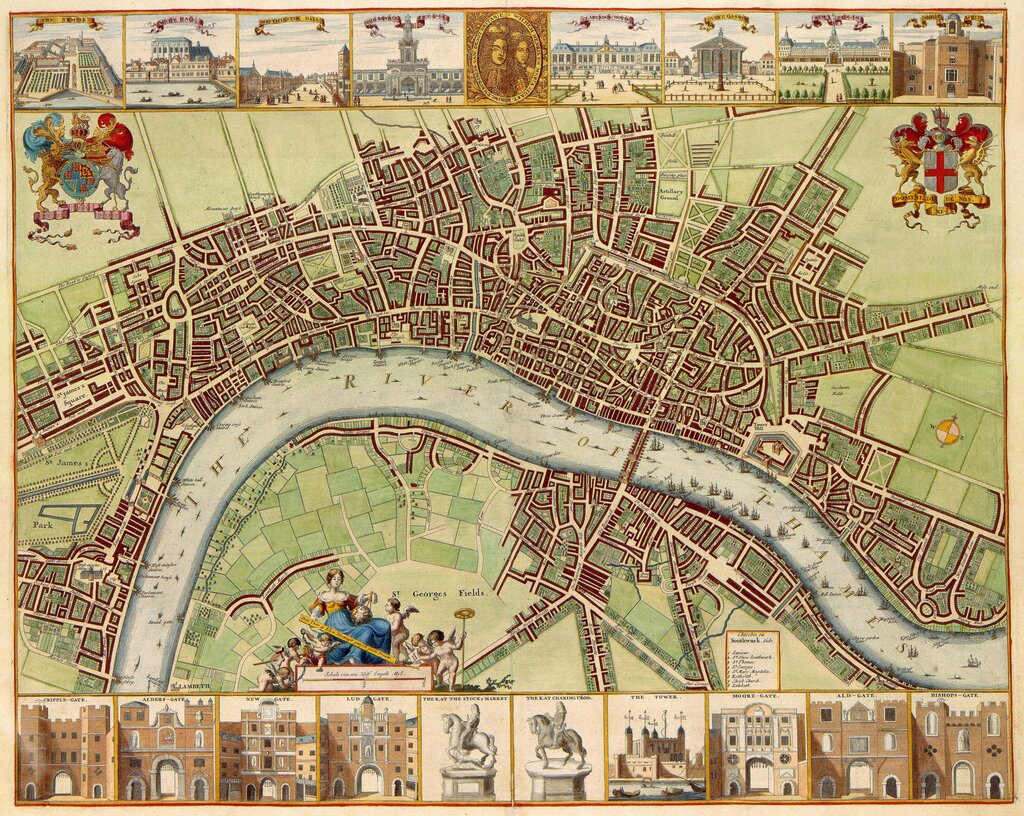
Even the River Thames is a historical artery that shaped the city's growth, trade, and culture. Visiting historical sites allows children to stand in the very places where history happened, making the past feel concrete and accessible. It’s the difference between reading about an event and feeling its echo in the present.
The Urban Wilderness
Beyond the stone and glass, London is surprisingly green. Its parks and nature reserves are outdoor classrooms for the natural sciences. Royal Parks like Hyde Park and Richmond Park are not just recreational spaces; they are complex ecosystems where children can learn about local flora and fauna, seasonal changes, and the importance of biodiversity in an urban setting.
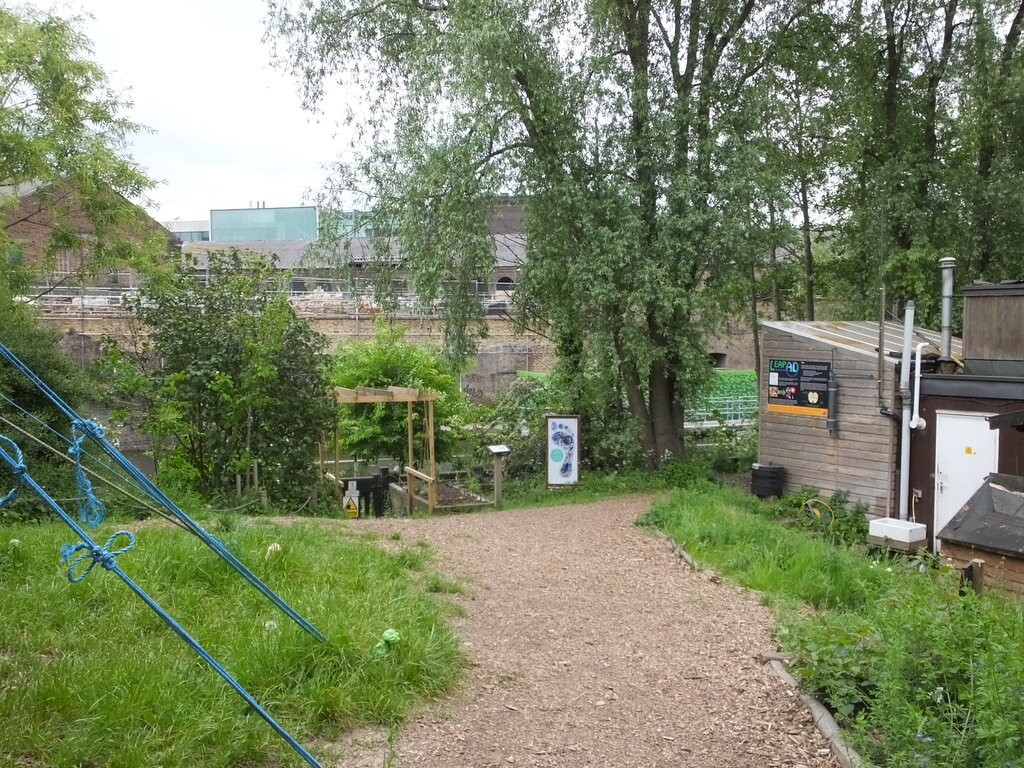
Smaller sites like the Camley Street Natural Park provide focused habitats for studying pond life, insects, and woodland ecology. These green spaces offer a chance to engage in hands-on science, from identifying trees to tracking bird species. They demonstrate that nature isn't something distant but a vital part of the city's fabric.
Social studies really lends itself to hands-on learning because there are so many different topics that can be covered with tactile learning (such as creating artifacts or examining real artifacts at museums), visual learning (such as looking at artwork from the time period being studied, creating tomb paintings or even creating papyrus), and auditory learning (such as listening to music from that time period or region being learned about).
Integrating these sites into an educational plan is about connecting experiences. A trip to the British Museum can complement a history lesson on ancient Egypt. A walk through Kew Gardens can bring a biology unit on plant life into full bloom. By using the city as a resource, learning becomes an adventure rather than just a classroom exercise.
Which trio of world-class institutions is located in London's museum quarter, South Kensington?
According to the text, what is the primary benefit of visiting historical landmarks like the Roman Wall in person?
London's rich environment provides a unique backdrop for education, turning the entire city into a dynamic and interactive place to learn.