Education Versus Curriculum
Defining Education
What Is Education?
Education is the lifelong process of learning and growing. It's how we gain knowledge, develop skills, form values, and understand the world around us. While we often associate it with classrooms and textbooks, education happens everywhere: at home, with friends, and through our own experiences.
Education, at its core, is the process of acquiring knowledge, skills, values, and attitudes that contribute to personal development.
Think of it not as a destination, but as a journey. It’s the foundation for personal growth, helping us become more capable and well-rounded individuals. This journey isn't just about memorizing facts for a test; it's about learning how to think, how to solve problems, and how to interact with others.
The Aims of Education
The goals of education go far beyond academics. A good education aims to nurture the whole person. This means fostering critical thinking, which is the ability to analyze information and form your own judgments. It also involves developing ethical reasoning, so you can make decisions that are fair and considerate.
Furthermore, education cultivates social awareness. It helps us understand different perspectives, appreciate diversity, and recognize our role within a larger community. The ultimate goal is to prepare individuals for a life of personal fulfillment and responsible citizenship.
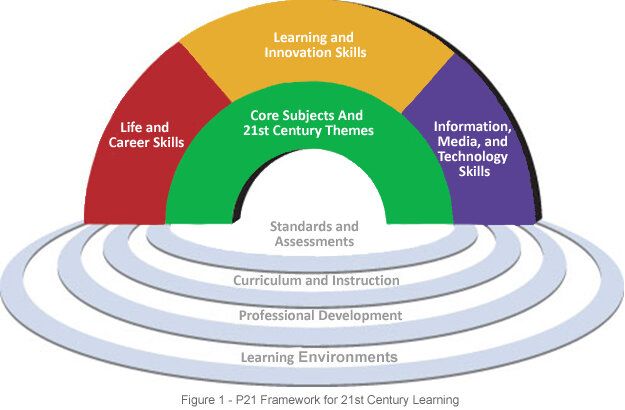
This broad approach ensures that learning isn't just about what you know, but about who you become.
More Than Just Knowledge
When we talk about developing the whole person, we're referring to holistic development. This is the idea that education should address all aspects of a person's life. It's about nurturing our intellectual, emotional, and social selves.
Intellectual growth involves building knowledge and critical thinking skills. Emotional development helps us understand and manage our feelings, building resilience and empathy. Social growth is about learning to communicate and collaborate effectively with others.
Holistic development also includes physical, artistic, creative, and even spiritual dimensions. It recognizes that we are complex beings and that true growth requires nurturing all parts of ourselves.
By focusing on this complete picture, education equips us not just for a career, but for a meaningful life. It provides the tools to navigate challenges, build strong relationships, and pursue our passions.
Education's Role in Society
Education is not just a personal journey; it's a cornerstone of society. An educated population is essential for a thriving democracy, a strong economy, and social progress. When individuals are educated, they are better equipped to participate in their communities, make informed decisions, and contribute to the common good.
Education fosters a sense of shared values and understanding. It can bridge divides and promote tolerance. By teaching history, civics, and social studies, education helps create a sense of collective identity and responsibility.
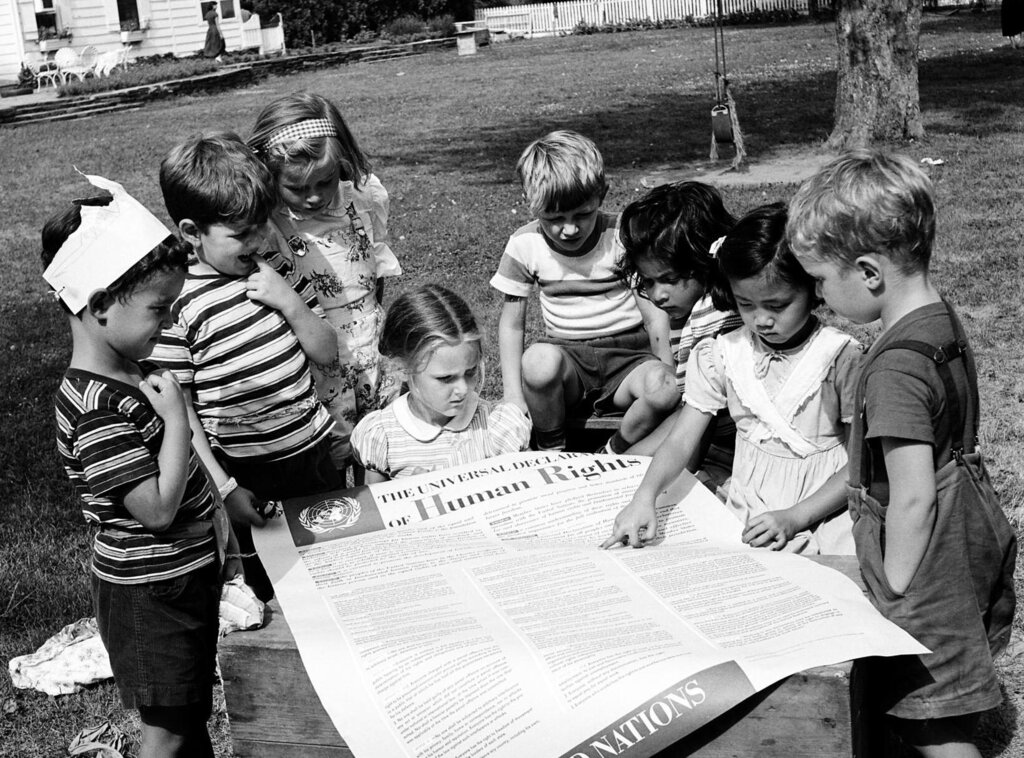
Ultimately, education empowers people to improve their own lives and build a better future for everyone. It's the engine of personal and societal advancement.
Ready to check your understanding? Let's review the core ideas we've covered.
Which of the following best describes the primary goal of education as presented in the text?
According to the text, education is best understood as a...
In short, education is a fundamental human endeavor. It’s the comprehensive process that shapes us as individuals and builds the foundation of our communities.