Edtech AI Distribution Strategy US
Understanding AI in EdTech
A New Chapter for Learning
Artificial Intelligence in education isn't about robot teachers in every classroom. It's about using smart technology to make learning more personal, efficient, and engaging. Think of it as a powerful assistant for both students and teachers. At its core, AI in educational technology, or EdTech, involves creating systems that can perform tasks that typically require human intelligence, like understanding language, recognizing patterns, and making decisions.
This isn't an entirely new idea. For decades, educators have used computers for drills and basic instruction. But early educational software was rigid. It followed a set path and couldn't adapt to a student's individual needs. If you got a question wrong, you might just get the same question again. Modern AI is different. It learns. It analyzes a student's performance to figure out their strengths and weaknesses, then customizes the learning experience to help them succeed.
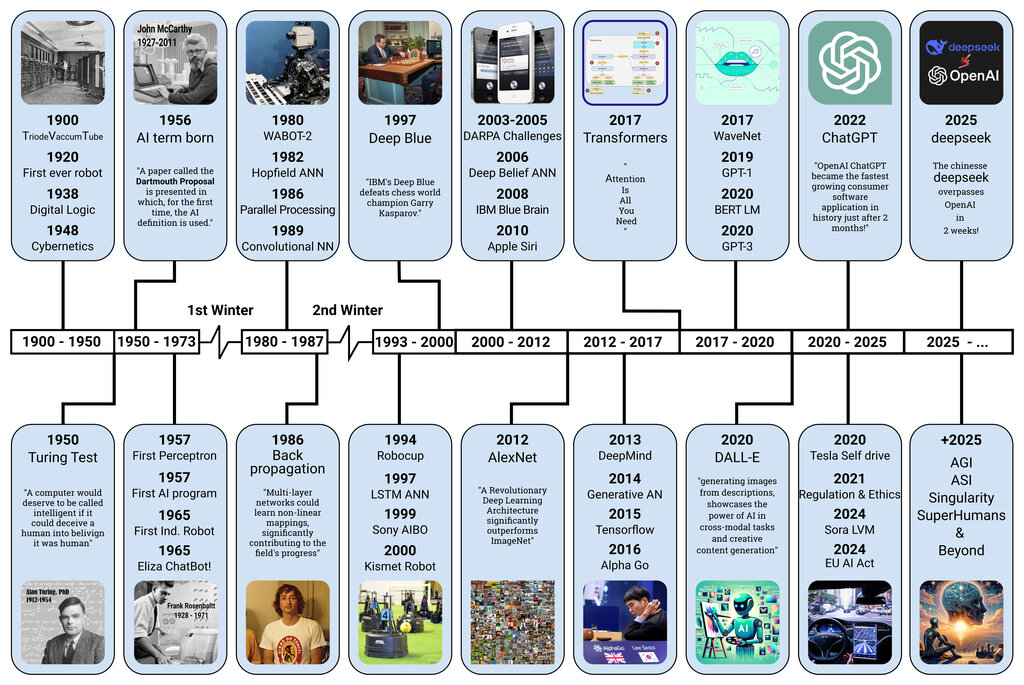
The Tech Behind the Scenes
Two key technologies power most of the AI tools in education today: Machine Learning and Natural Language Processing.
Machine Learning
noun
A type of AI that allows computer systems to learn from data and improve their performance on a task over time without being explicitly programmed.
Imagine a platform that watches how you solve math problems. It notices you're great at addition but stumble on fractions. Instead of giving you more addition problems, it provides targeted fraction exercises and tutorials. That’s Machine Learning (ML) at work. The system learns your unique patterns and adapts the curriculum just for you. This creates a personalized learning path, keeping you challenged but not overwhelmed.
Natural Language Processing
noun
A field of AI that enables computers to understand, interpret, and generate human language, both spoken and written.
Natural Language Processing, or NLP, is what allows AI to work with words. It's the technology behind tools that can grade essays, provide instant feedback on writing, or power chatbots that answer student questions 24/7. Language learning apps use NLP to analyze your pronunciation and help you improve. It's all about bridging the gap between human communication and computer understanding.
The goal of AI in education isn't to replace teachers. It's to give them superpowers, automating tedious tasks and providing deep insights into student progress.
Benefits and Hurdles
The biggest promise of AI in education is personalized learning at scale. Every student can have a unique educational journey tailored to their pace and style. This can lead to better outcomes and more confidence. For teachers, AI can be a massive time-saver. By automating grading and administrative tasks, it frees them up to focus on what matters most: one-on-one interaction, mentoring, and creating inspiring lesson plans.
However, integrating AI also comes with serious challenges. One of the biggest is data privacy. AI systems need vast amounts of student data to be effective, raising important questions about how that data is collected, stored, and used. Who owns the data? How is it protected from breaches?
Another major concern is algorithmic bias. If the data used to train an AI model reflects existing societal biases, the AI will learn and amplify them. For example, if an essay-grading tool is trained primarily on texts from one demographic group, it might unfairly penalize the writing styles of others. Ensuring fairness and equity in AI systems is a critical hurdle that developers and educators must address together.
While AI-powered tools such as Intelligent Tutoring Systems (ITS), automated assessments, and predictive analytics enhance personalized learning and operational efficiency, they also risk perpetuating algorithmic bias, eroding student privacy, and exacerbating educational inequities.
The Growing Market
The AI in education market is expanding rapidly. Projections show it growing from a few billion dollars to tens of billions in the coming years. This growth is fueled by increasing demand for personalized learning, the need for greater efficiency in educational institutions, and ongoing advancements in AI technology.
Several products are already making a mark. Adaptive learning platforms like DreamBox and Knewton use AI to create customized math and reading curricula for K-12 students. Tools like Grammarly and Turnitin use NLP to help students improve their writing and check for plagiarism. Language apps such as Duolingo leverage AI to offer interactive, personalized lessons. These are just a few examples of how AI is already reshaping the educational landscape, moving from a futuristic concept to a practical tool in classrooms today.
Let's review what we've covered.
What is the primary goal of using AI in modern educational technology?
An AI-powered language app that listens to your pronunciation and gives you feedback is a direct application of which technology?