eDNA Metabarcoding for Biodiversity
Introduction to eDNA
What Is eDNA?
Every living thing constantly leaves behind tiny biological traces. Think of it like a trail of invisible breadcrumbs. Fish shed scales and slime in the water, mammals leave behind hair and skin cells when they rub against a tree, and birds drop feathers and waste. All these materials contain DNA, the unique genetic blueprint for that organism.
When this genetic material is collected from the environment—like soil, water, or even air—instead of directly from the organism itself, it’s called environmental DNA, or eDNA for short.
eDNA is a powerful tool that allows scientists to discover which species live in an ecosystem without ever having to see or handle them.
These genetic fragments float in rivers, settle in sediment at the bottom of a lake, or get trapped in soil. While the DNA eventually breaks down, new material is constantly being left behind, creating a transient genetic snapshot of the local community.
Collecting Invisible Clues
So how do scientists gather these faint genetic signals? The collection process is surprisingly straightforward and depends on the environment being studied.
In aquatic systems like rivers or oceans, researchers collect water samples. They then use special filters with incredibly tiny pores to trap suspended particles, including skin cells and other DNA-carrying material. For soil studies, they take core samples from the ground. It's even possible to sample eDNA from the air to detect pollen, fungal spores, or the presence of nearby animals.
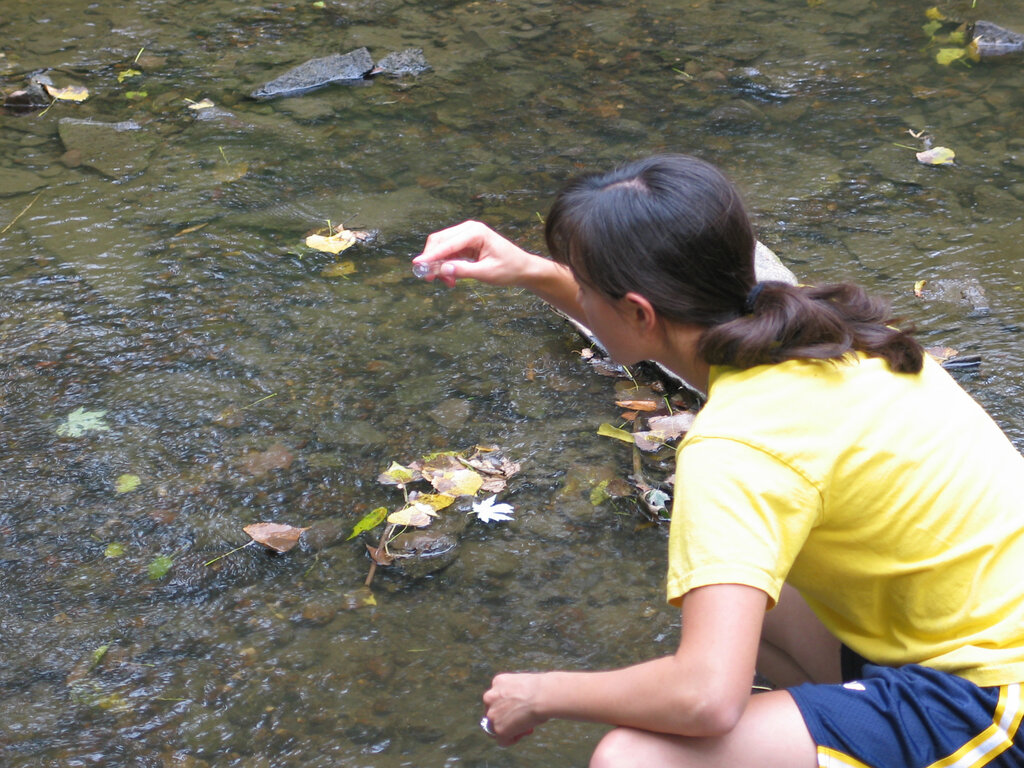
Once collected, these samples are taken to a lab. There, scientists use established techniques to extract the DNA from the filter, soil, or air sample. This extracted DNA contains a mix of genetic material from all the different organisms that were recently in that area.
A New Era for Ecology
The use of eDNA is revolutionizing how we monitor biodiversity. It offers several key advantages over traditional survey methods, like setting traps, using nets, or relying on visual and auditory counts.
| Advantage | eDNA Surveys | Traditional Surveys |
|---|---|---|
| Impact on Wildlife | Non-invasive; no stress to animals. | Can require capturing and handling, which is stressful. |
| Detecting Elusive Species | Highly effective for rare or shy species. | Often ineffective; rare species are easily missed. |
| Comprehensiveness | Can detect a wide range of species at once. | Typically focuses on one group (e.g., fish, birds). |
| Accessibility | Can be used in hard-to-reach areas. | Can be dangerous or impossible in some terrains. |
| Cost & Effort | Often cheaper and faster for large-scale surveys. | Can be very labor-intensive and expensive. |
Imagine trying to find out if a critically endangered salamander lives in a remote, murky wetland. Searching for it visually could take weeks and might not yield any results. With eDNA, a few carefully collected water samples could confirm its presence in a matter of days.
This method is especially powerful for early detection of invasive species. By testing water from ports or rivers, officials can spot a new invader before it establishes a large population, giving them a critical window to act.
eDNA isn't a replacement for all traditional methods. Field biologists still provide essential information about population size, animal health, and behavior. But as a complementary tool, eDNA gives us a more complete and compassionate way to understand the living world.
Ready to check your understanding? This quiz will test you on the key ideas we've covered about environmental DNA.
What is environmental DNA (eDNA)?
According to the text, which of the following is a key advantage of using eDNA over traditional survey methods?
By analyzing the genetic traces left behind, we can listen to the stories the environment has to tell.