EDM Production Essentials
Introduction to EDM
What is EDM?
Electronic Dance Music, or EDM, is a broad range of electronic music genres made primarily for nightclubs, raves, and festivals. It’s defined by its synthesized sounds, repetitive rhythms, and a structure designed to make people move. At its heart is the four-on-the-floor beat, a steady pulse that feels like a heartbeat for the dance floor.
Electronic Dance Music (EDM) has evolved from underground experimental sounds to one of the most dominant forces in the global music industry.
But it wasn't always a global phenomenon. EDM’s journey began decades ago in underground clubs, powered by new technology and a desire for communal experience.
From Disco to Digital
The story of EDM starts with disco. In the 1970s, disco clubs embraced repetitive rhythms and new instruments like synthesizers. When disco faded from the mainstream, its pulse kept beating in underground clubs, particularly in American cities like Chicago and Detroit.
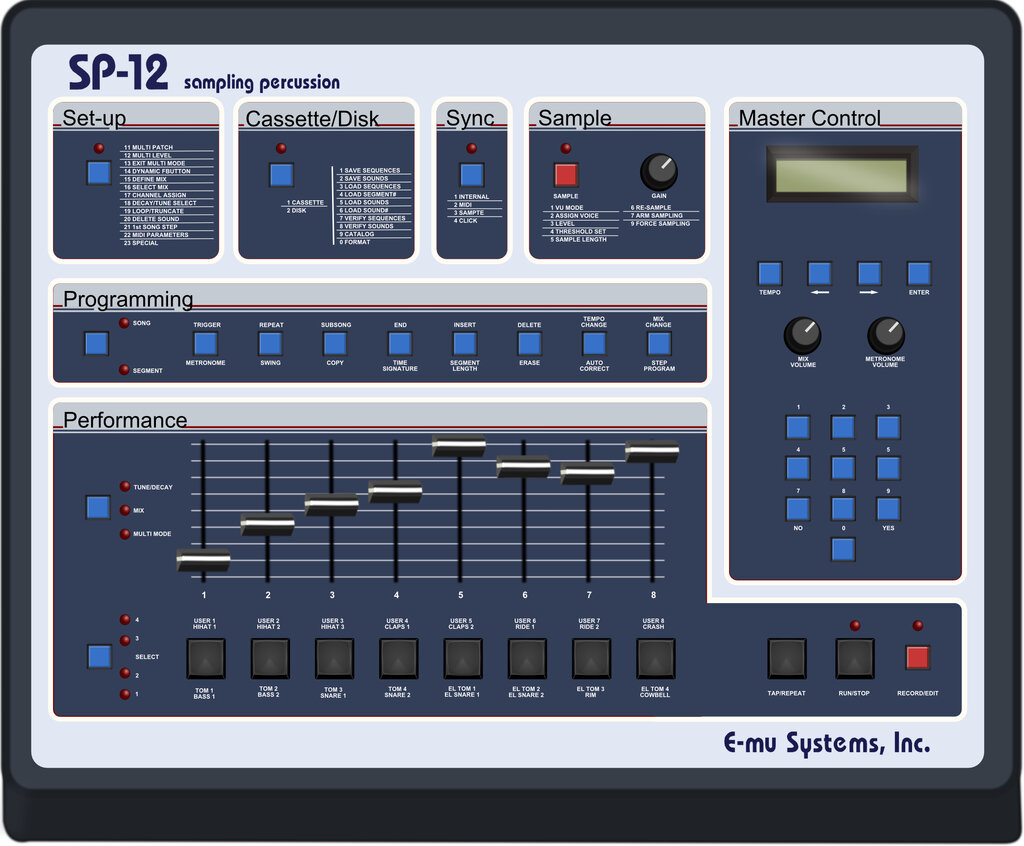
In Chicago, DJs started modifying disco records, adding punchy drum machine beats. This new sound became known as house music. Around the same time, Detroit artists were blending synth-pop with funk, creating a futuristic, mechanical sound called techno. These were the twin pillars of modern dance music.
The sounds of house and techno traveled across the Atlantic to Europe, where they fueled the rave culture of the late 1980s and 1990s. In the UK, fast-paced breakbeats led to genres like jungle and drum & bass. In Germany, trance music emerged with its hypnotic melodies and soaring builds.
The accessibility of music production software in the 2000s changed everything. Suddenly, anyone with a computer could create electronic music, leading to an explosion of new styles and a surge in global popularity. This digital wave pushed EDM from underground raves into massive, worldwide festivals.
A Spectrum of Sound
EDM isn't just one sound. It's a massive family of genres, each with its own unique feel, tempo, and history. Exploring these subgenres is part of the fun. While there are countless styles, a few foundational ones have shaped the landscape.
| Genre | Characteristics | Typical BPM |
|---|---|---|
| House | Four-on-the-floor beat, soulful, often with piano or vocal hooks. | 120-130 BPM |
| Techno | Repetitive, hypnotic, and often futuristic with industrial sounds. | 125-140 BPM |
| Trance | Melodic, euphoric, and built around emotional chord progressions and long breakdowns. | 130-140 BPM |
| Drum & Bass | Complex, fast breakbeats and deep, heavy basslines. | 160-180 BPM |
These genres are just starting points. Artists constantly borrow from each other, creating new hybrid styles. This constant evolution is what keeps the scene so vibrant.
More Than Music
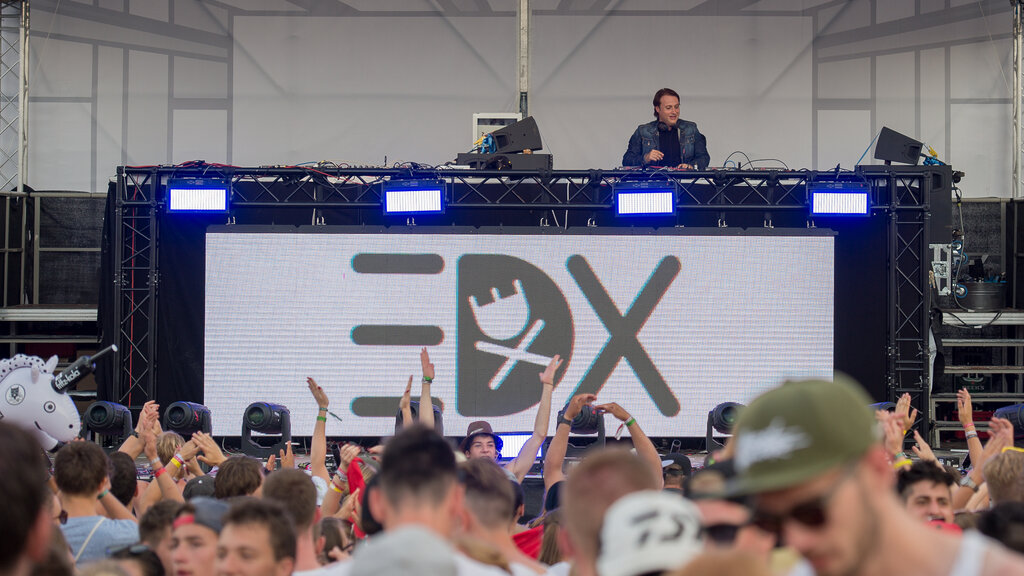
EDM's cultural impact goes far beyond the music itself. It created a global community built around shared experience. From small, dark clubs to enormous outdoor festivals, the focus has always been on unity and expression on the dance floor.
This culture, often summarized by the acronym PLUR (Peace, Love, Unity, Respect), emphasizes a sense of belonging. It's a space where people from all walks of life can connect through a shared rhythm.
Now that you have a sense of where EDM comes from, you're ready to start exploring how its sounds are made.