Ecuadorian Bananas
Introduction to Ecuadorian Bananas
Ecuador's Banana Story
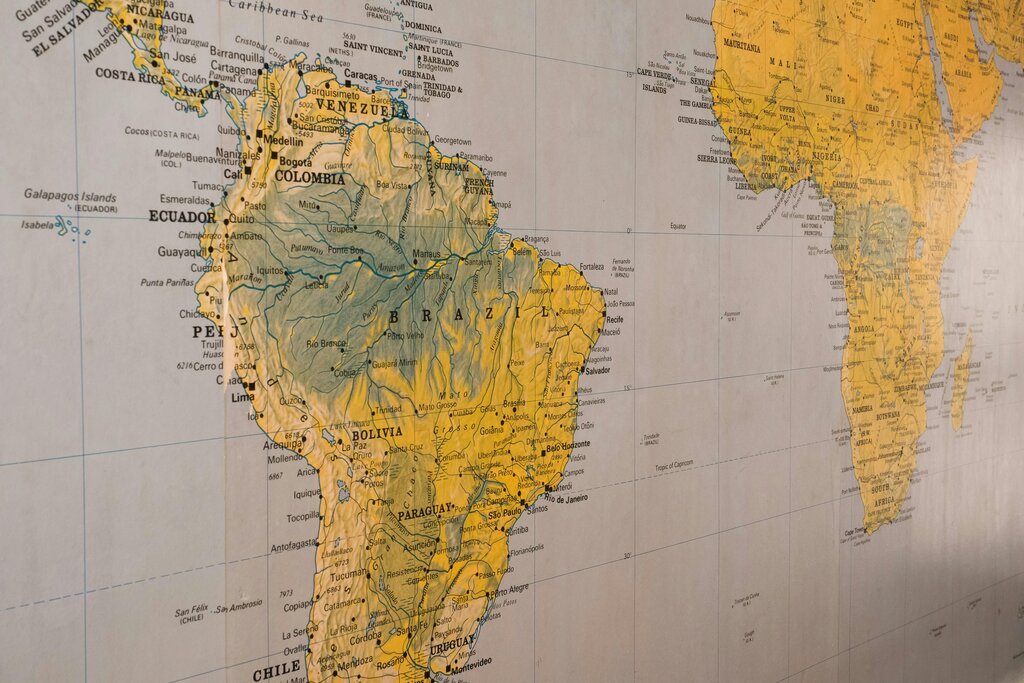
Ecuador is the world's largest exporter of bananas. For this small South American nation, the familiar yellow fruit is more than just a breakfast staple; it's a cornerstone of the economy and a deep-rooted part of its modern history. The journey from a minor crop to a global powerhouse is a fascinating one, shaped by geography, global events, and a bit of luck.
From Humble Beginnings
While bananas have grown in Ecuador for centuries, they weren't always the main event. For a long time, cacao was king. But in the early 20th century, diseases hit the cacao plantations hard, forcing the country to look for alternatives. Bananas showed promise.
The real boom came after World War II. Central American plantations, the world's primary banana source at the time, were devastated by Panama disease, a destructive fungal infection. Ecuador's farms were untouched. The country seized the opportunity, rapidly expanding its plantations to meet global demand. Favorable government policies and the construction of new ports helped cement its status as a top producer.
The Economic Powerhouse
Today, the banana industry is critical to Ecuador's economic health. It's one of the nation's top exports, generating billions of dollars in revenue each year and providing jobs for a significant portion of the population, especially in rural areas. The entire supply chain, from farming and harvesting to packing and shipping, creates a massive economic ecosystem.
For hundreds of thousands of Ecuadorians, the banana industry isn't just a job—it's a way of life that supports families and entire communities.
Where the Magic Happens
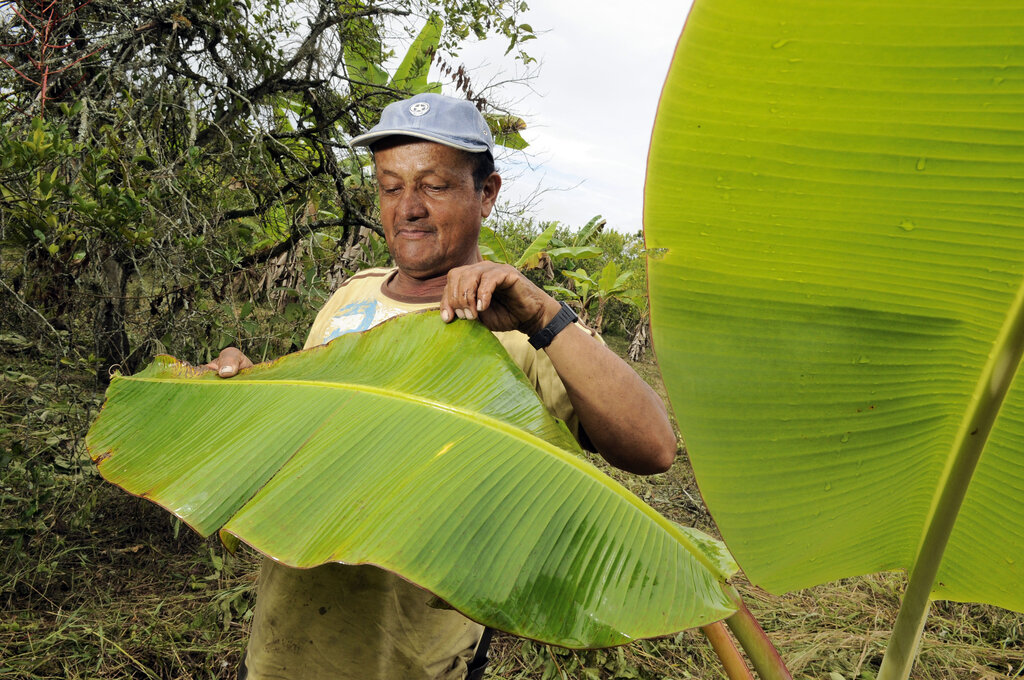
Not all of Ecuador is suited for banana cultivation. Production is concentrated in the coastal lowlands, where the tropical climate, fertile volcanic soil, and abundant rainfall create the perfect environment. Three provinces are the heart of the industry: Guayas, Los Ríos, and El Oro. These regions are crisscrossed by rivers, which provide essential water for irrigation and historically served as transport routes.
While many types of bananas grow in Ecuador, one variety dominates the export market: the Cavendish. It's prized for its durability during transport, its appealing look, and its creamy, mild flavor that consumers around the world have come to expect.
Another important type is the plantain, or plátano. Unlike the sweet Cavendish, plantains are starchy and are typically cooked before eating, serving as a staple food within Ecuador and much of Latin America. They are often fried, boiled, or baked in savory dishes.
| Variety | Primary Use | Key Characteristic |
|---|---|---|
| Cavendish | Export, eaten raw | Sweet, durable for shipping |
| Plantain | Domestic, cooking | Starchy, versatile in savory dishes |
Ecuador's dominance in the banana world is a story of adaptation and seizing opportunity. From its fertile coastal plains to breakfast tables across the globe, the banana remains a symbol of the nation's agricultural strength.