Economics and Policy of the Great Depression
Fragile Financial Foundations
An Unsound Prosperity
The 1920s are often remembered as a decade-long party, a whirlwind of jazz, flappers, and soaring stock prices. But beneath this glittering surface, the American economy was fundamentally unstable. The prosperity enjoyed by many was built on a foundation of deep structural weaknesses, starting with a staggering level of wealth inequality.
The American economy of the 1920s, while prosperous, was fundamentally unsound.
In 1929, the top 0.1% of American families had a combined income equal to the bottom 42%. This concentration of wealth at the very top created a critical problem: the economy's productive capacity was outstripping the ability of the average person to consume its products. For a while, this gap was papered over with a new innovation: installment buying. Consumers could take home cars, radios, and refrigerators by putting a little money down and paying the rest over time. This created a boom in consumer goods, but it was a boom fueled by debt, not rising wages for the majority of workers. Once people were loaded with debt, their ability to keep buying inevitably dwindled.
The Forgotten Depression
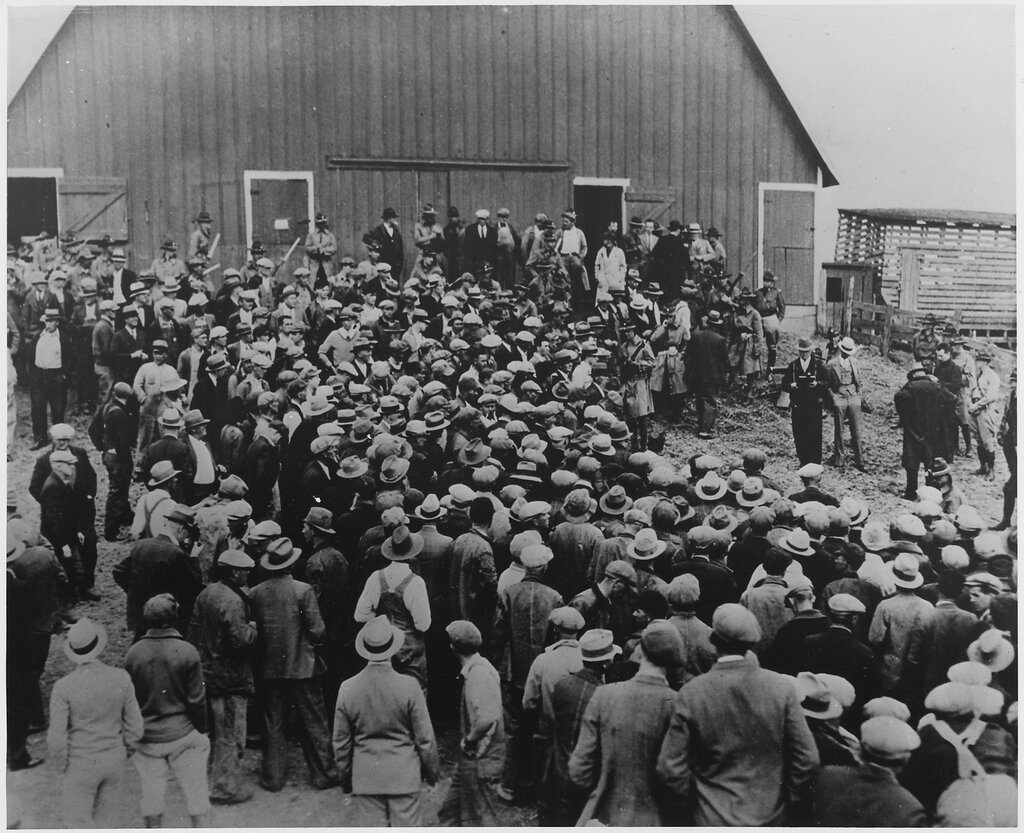
While urban America celebrated its newfound prosperity, rural America was already in a severe depression. During World War I, farmers had been encouraged to expand production to feed Europe. They took on heavy mortgage debt to buy more land and machinery. But after the war, European agriculture recovered, and global demand for American farm products plummeted. Prices for crops collapsed, leaving farmers with high debts and little income. Throughout the 1920s, farm incomes stagnated and banks in rural areas failed at an alarming rate. This agricultural crisis meant a huge portion of the country's population was shut out of the consumer boom, creating another major weak point in the national economy.
Easy Money and Paper Profits
The fuel for the speculative fire came from the banking system, which operated under a permissive philosophy known as the 'Real Bills Doctrine.' The idea was that banks should issue credit only to finance 'real' transactions, like a business buying inventory. This was supposed to prevent inflationary lending, as the money was tied to the production and movement of actual goods. In reality, the doctrine was loosely interpreted. It justified a massive expansion of credit that spilled out of commercial lending and into pure financial speculation. Banks lent huge sums of money not just for building factories, but for playing the stock market.
Real Bills Doctrine
noun
A banking theory asserting that banks should only issue money in exchange for short-term commercial debt (bills) representing real goods in production or transit. The aim was to ensure the money supply expanded and contracted with the needs of business, preventing inflation.
This flood of easy credit made speculative practices like buying on margin dangerously common. An investor could buy stock by putting down as little as 10% of the price and borrowing the other 90% from a broker. The broker, in turn, borrowed that money from a bank. This system worked as long as stock prices kept rising. But if prices fell, investors would get a 'margin call,' demanding they put up more money. If they couldn't, the broker would sell their shares, pushing prices down further and creating a vicious cycle of forced selling.
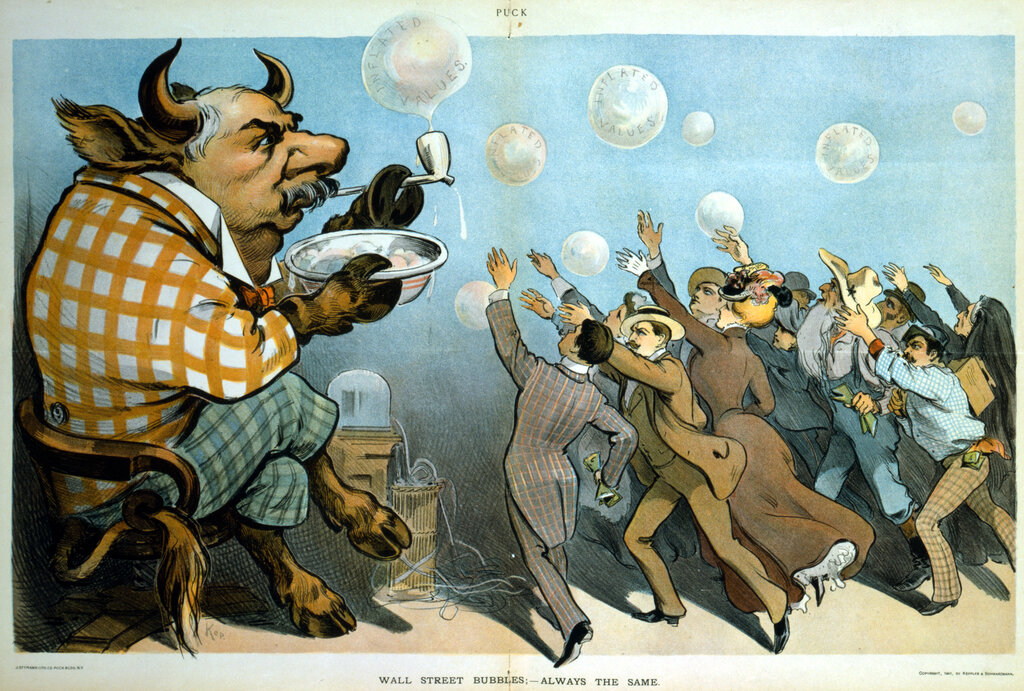
Adding another layer of risk were investment trusts. These were essentially companies that did nothing but buy and sell the stocks of other companies. They became incredibly popular, allowing small investors to feel like they were diversifying their holdings. However, many of these trusts were highly leveraged, borrowing money to buy even more stock. Some trusts even bought shares in other investment trusts, creating a complex, interlocking pyramid of ownership. When the market turned, the collapse of a few key companies or trusts could trigger a cascading failure throughout the entire fragile structure.
The combination of buying on margin and leveraged investment trusts meant that the financial system was not just participating in the stock market boom; it was actively amplifying it, creating a bubble that was bound to pop.
Let's test your understanding of these underlying weaknesses.
What was a major consequence of the significant wealth inequality in the 1920s, where the top 0.1% of families had a combined income equal to the bottom 42%?
How did the rise of installment buying in the 1920s mask underlying economic weaknesses?
These factors—deep inequality, agricultural distress, and a financial system built on speculative credit—created an economy that looked strong on the surface but was dangerously brittle. The 1929 crash was not the cause of the Great Depression; it was the trigger that exposed the profound weaknesses that had been building for years.