Economic Theory Showdown
Introduction to Economic Theories
What Are Economic Theories?
Economic theories are frameworks that help us understand how economies work. Think of them as different lenses for viewing the complex world of money, trade, and human behavior. Each theory offers a distinct explanation for why economies grow or shrink, why unemployment rises or falls, and how prices are set.
These theories aren't just abstract ideas. They guide the policies of governments and central banks, influencing everything from interest rates to tax laws. By learning the major schools of thought, you can better understand the debates that shape our world.
The Neoclassical School
Neoclassical economics is a dominant school of thought today. It evolved from the classical ideas of economists like Adam Smith. Its central idea is that the economy is composed of rational individuals and firms, all trying to maximize their own well-being. People want to maximize their happiness or utility, while businesses aim to maximize profits.
According to this view, markets are self-regulating. The forces of supply and demand naturally push prices toward a point of equilibrium, where the amount of a good that people want to buy matches the amount that firms want to sell. Neoclassical economists generally believe that economies are most efficient when there is minimal government intervention.
Equilibrium
noun
A state in which economic forces such as supply and demand are balanced and in the absence of external influences the values of economic variables will not change.
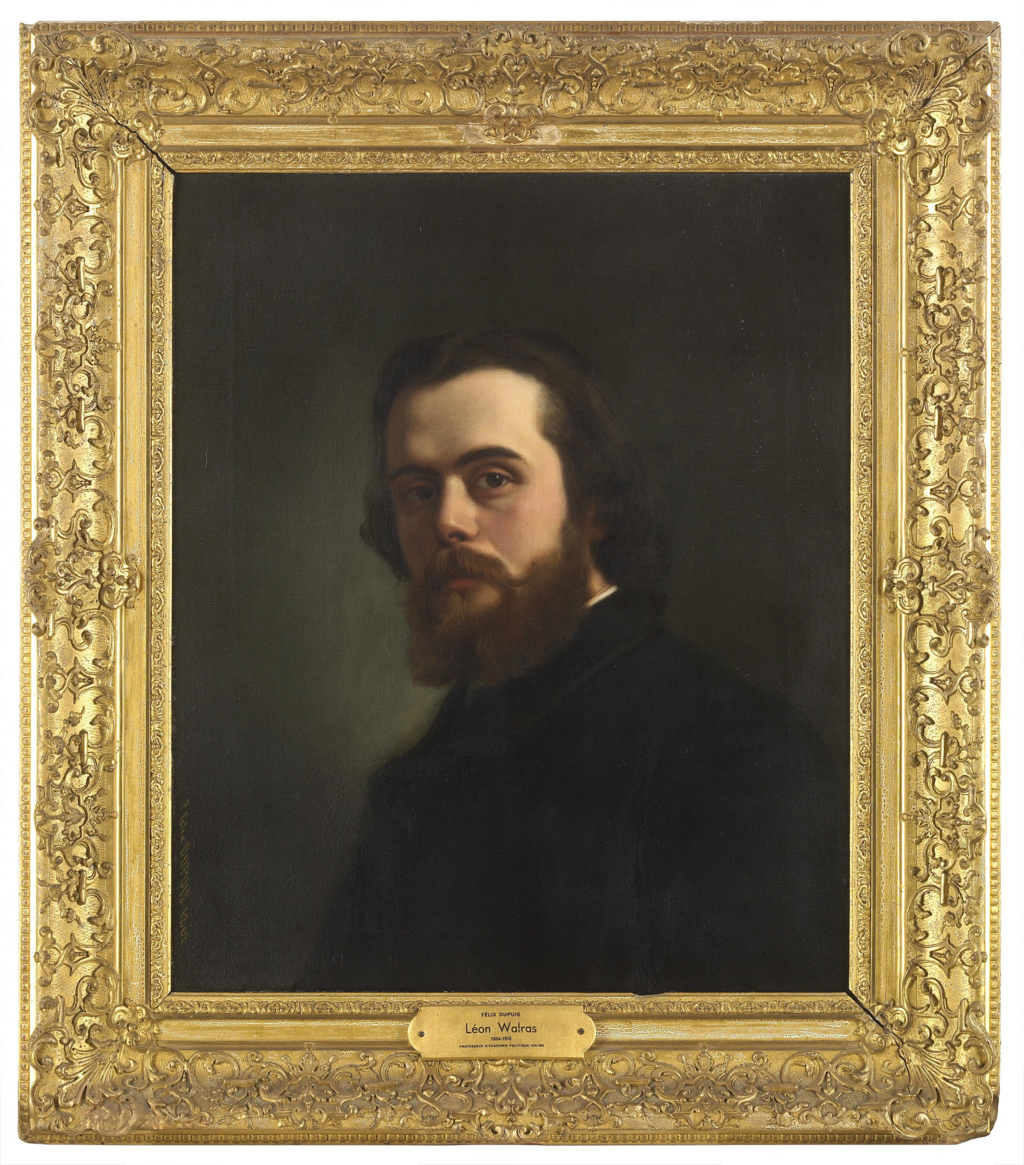
This school of thought was developed in the late 19th and early 20th centuries by figures like Alfred Marshall, William Stanley Jevons, and Léon Walras. They brought a more mathematical and rigorous approach to the foundations laid by earlier classical economists.
The Keynesian School
Keynesian economics emerged from the crisis of the Great Depression in the 1930s. At the time, neoclassical theory suggested that the economy would fix itself, but widespread unemployment and suffering dragged on for years. British economist John Maynard Keynes offered a new explanation.
Keynes argued that aggregate demand—the total spending by households, businesses, and the government—is the most important driver of an economy. He believed that during a downturn, demand can plummet and stay low because people and businesses become pessimistic. In this situation, the economy can get stuck in a rut with high unemployment.
The Keynesian solution is for the government to step in. By increasing its own spending or cutting taxes, the government can boost aggregate demand, encourage production, and help create jobs.
This theory puts a strong emphasis on the short-term and provides a rationale for active government management of the economy to smooth out the booms and busts of the business cycle.
The Marxian School
Marxian economics, based on the work of the 19th-century philosopher Karl Marx, offers a fundamental critique of capitalism. Unlike the other schools, which seek to understand and improve the capitalist system, Marxian theory predicts its eventual downfall.
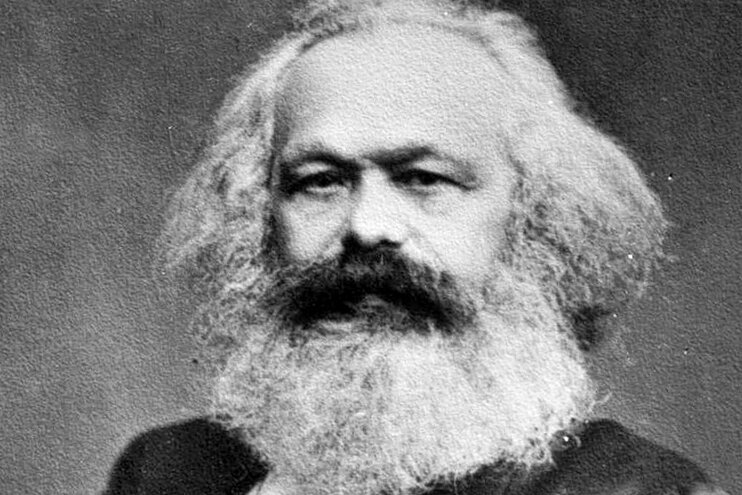
At the core of Marx's thought is the idea of class struggle. He saw society as divided into two main classes: the bourgeoisie (the owners of capital, like factories and machinery) and the proletariat (the working class, who sell their labor for wages). Marx argued that this relationship is inherently exploitative.
According to Marx, capitalists' profits come from the surplus value created by workers—the value of what they produce beyond what they are paid in wages. This conflict between classes, he believed, is the engine of historical change.
Marxian analysis focuses on how the drive for profit leads to economic crises, growing inequality, and social instability. The theory suggests that these internal contradictions will ultimately lead to the replacement of capitalism with a classless, socialist society.
What is the central assumption of Neoclassical economics?
Keynesian economics emerged in response to which major historical event?
These three schools of thought provide very different maps for navigating the economy. Each highlights different forces, asks different questions, and proposes different solutions to economic problems.