Economic History of Modern China
Introduction to Chinese Economic History
From Plan to Market
For three decades after 1949, China operated under a strict, centrally planned economy modeled after the Soviet Union. The state owned nearly all factories, set production quotas for every good, and controlled prices. In the countryside, agriculture was collectivized into large communes where land, tools, and labor were shared. Individual families had little economic freedom and few incentives to produce more than what was required.
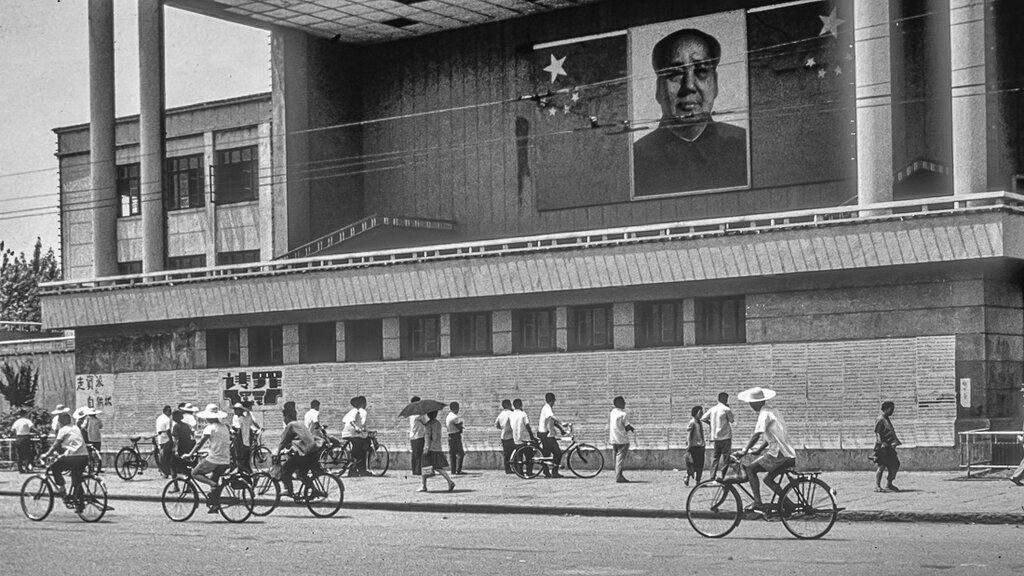
This system led to widespread inefficiency and economic stagnation. By the late 1970s, after the death of Mao Zedong, it was clear that a new approach was needed. Deng Xiaoping, China's new paramount leader, championed a radical shift. He was a pragmatist, famously stating, "It doesn't matter if a cat is black or white, as long as it catches mice." This signaled a move away from rigid ideology toward policies that delivered economic results.
Reforms Begin
The reforms, which began in 1978, didn't happen all at once. They started cautiously in the agricultural sector. The government dismantled the collective communes and introduced the "household responsibility system." Families were allowed to lease land from the state and decide what to grow. While they still had to sell a portion of their harvest to the state at a fixed price, they could sell any surplus on the open market for a profit.
This simple change unleashed a wave of productivity. For the first time in decades, rural families had a direct stake in their work, and food production soared.
Seeing the success in agriculture, the reforms expanded. The state gradually loosened its grip on industry, allowing for the creation of small, privately owned businesses. State-owned enterprises (SOEs) were given more autonomy to make their own decisions about production and investment. The government also began its "Open Door Policy" to attract foreign capital and technology.
Special Economic Zones
A key part of the Open Door Policy was the creation of Special Economic Zones (SEZs). These were designated coastal areas where foreign companies could invest under more liberal, market-oriented policies. They offered tax incentives, reduced regulations, and access to a large labor force.
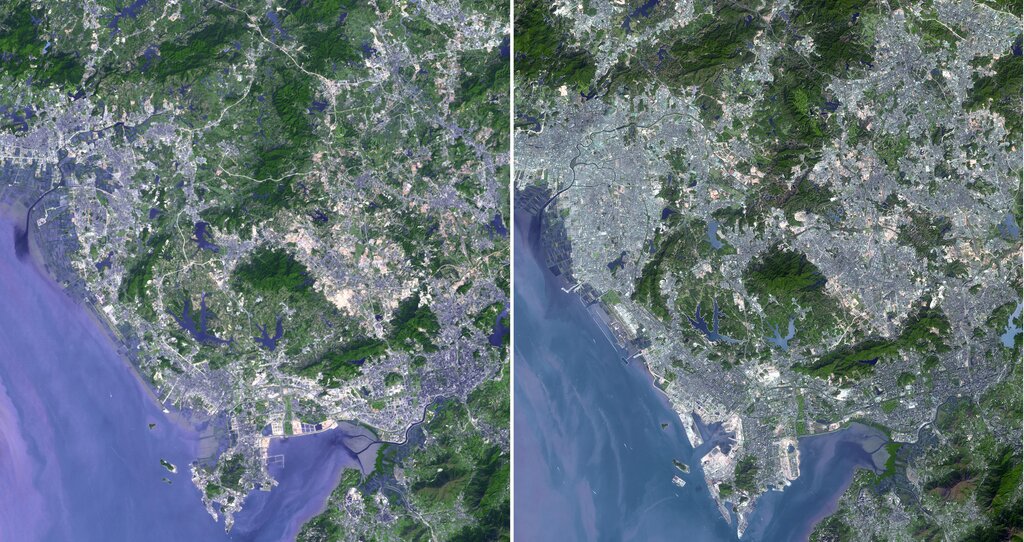
The first and most famous SEZ was Shenzhen, a small fishing village just across the border from Hong Kong. It was transformed into a bustling manufacturing hub. These zones acted as laboratories for market capitalism, allowing the government to experiment with new policies on a limited scale before rolling them out to the rest of the country. This gradual, experimental approach became a hallmark of China's economic transition.
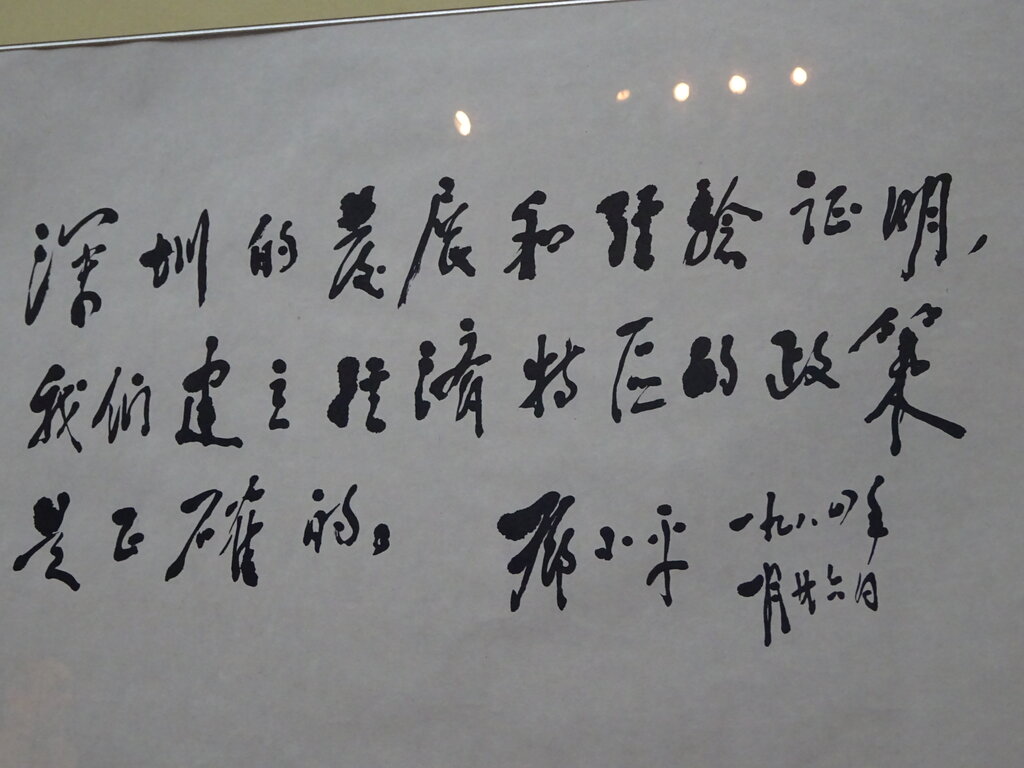
The official term for this new system was the "socialist market economy." It was a hybrid model, combining the market's role in setting prices and allocating resources with the state's continued oversight of the economy's overall direction.
By redefining socialism as the “liberation of productive forces” and the achievement of “common prosperity” (eventually), Deng created an ideological framework that could accommodate private property, foreign capital, and income inequality without formally abandoning Marxism-Leninism.
These initial reforms had an immediate and profound impact. Domestically, they lifted millions out of poverty and kicked off one of the largest migrations in human history as people moved from farms to the new factory cities. On the global stage, China began its journey to becoming a major trading power, initially by exporting low-cost manufactured goods produced in the SEZs.
Ready to check your understanding of these foundational concepts?
Before the reforms began in 1978, what was the dominant economic model in China?
Deng Xiaoping's famous phrase, "It doesn't matter if a cat is black or white, as long as it catches mice," symbolized a shift in focus towards:
These early reforms laid the groundwork for decades of unprecedented economic growth, completely reshaping both China and the global economy.