Economic Growth vs Development
Introduction to Economic Growth
What is Economic Growth?
Economic growth happens when a country produces more stuff—more goods and more services—than it did before. Think of a small town with a single bakery. If that bakery starts making 200 loaves of bread a day instead of 100, the town's economy has grown. Now, scale that up to an entire country with millions of businesses. Economic growth is the combined increase in output from all of them.
Economic Growth
noun
An increase in the capacity of an economy to produce goods and services, compared from one period of time to another.
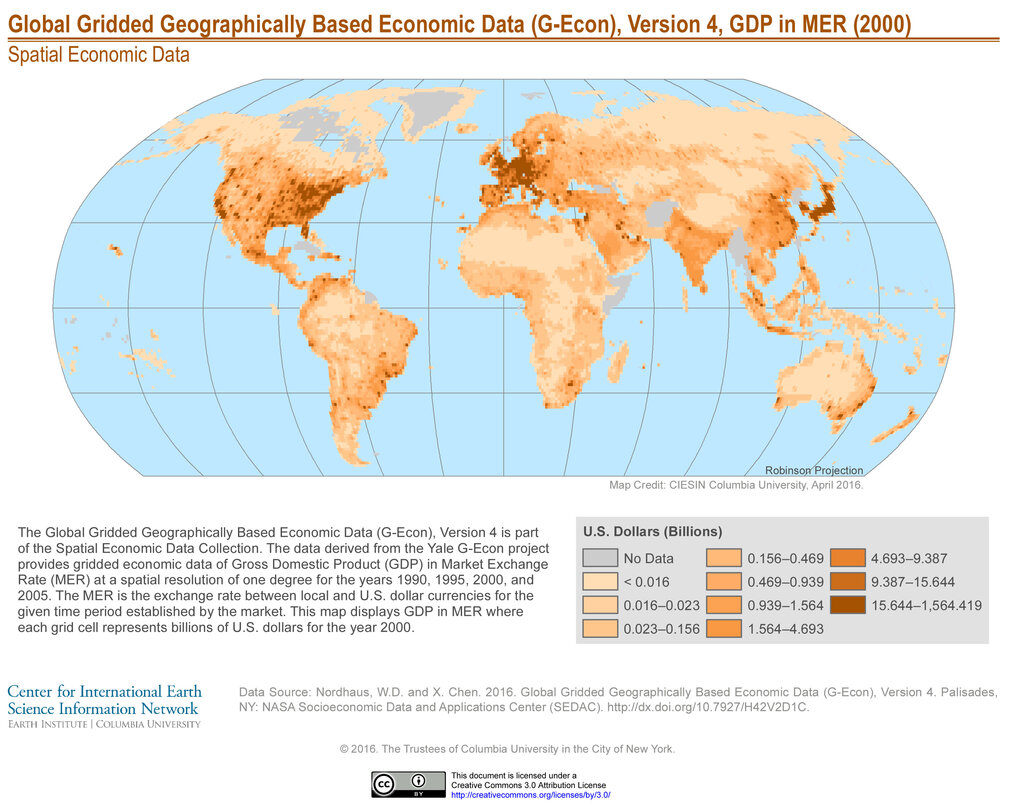
But how do we measure the output of an entire nation, from haircuts and software to cars and coffee? The most common way is by using Gross Domestic Product, or GDP. It's a single number that represents the total monetary value of everything produced within a country's borders over a specific time, usually a year or a quarter.
GDP is the sum of all goods and services produced in the economy, including the service sector, manufacturing, construction, energy, agriculture and government.
When you hear news reports saying “the economy grew by 2% last quarter,” they are talking about the change in GDP. A positive percentage means the economy is expanding, while a negative percentage indicates it's shrinking.
The Engines of Growth
Economies don't grow by accident. Growth is driven by a few key ingredients. Think of them as the engine that powers the economic machine.
First is the accumulation of capital. This doesn't just mean money. In economics, capital refers to the tools, machinery, buildings, and infrastructure that workers use to produce goods and services. A construction worker with a power drill is far more productive than one with just a hammer. Giving workers better tools allows them to produce more in the same amount of time.
The second ingredient is the labor force. Simply having more people available to work can increase total output. But it's not just about the number of workers; it's also about their quality. A well-educated, skilled, and healthy workforce is more productive than one without those attributes. This is why investments in education and healthcare are often linked to long-term economic growth.
Finally, and perhaps most importantly, is technology. Technological advancements are the ultimate driver of long-term growth. A new invention, like the computer or the internet, can revolutionize industries and create entirely new ones. Technology allows us to get more output from the same amount of capital and labor. It’s about working smarter, not just harder.
More capital, a larger or more skilled labor force, and better technology are the three primary drivers of economic growth.
Why Growth Matters
Sustained economic growth has a powerful effect on a nation's prosperity. When the economic pie gets bigger, there's more to go around. For individuals, this often translates to higher incomes, better job opportunities, and improved living standards.
For a society, growth provides the resources to improve public services like schools, hospitals, and roads. It enables governments to fund social safety nets and scientific research. While it isn't a perfect measure of well-being, a growing economy generally creates a virtuous cycle: businesses thrive, they hire more people, those people have more money to spend, and that spending further fuels business success.
This cycle helps explain why even small differences in annual growth rates can lead to massive differences in wealth over time. A country that grows at 3.5% per year will double its economic output in about 20 years, while a country growing at 1.5% will take nearly 47 years to achieve the same result. Over generations, that difference is transformative.
Time to check what you've learned.
What does Gross Domestic Product (GDP) measure?
A manufacturing company invests in new, more efficient robotic assembly lines. This is an example of an increase in which driver of economic growth?