Easter Island's Mysterious Moai
Introduction to Rapa Nui
The World's Most Remote Island
Far out in the southeastern Pacific Ocean lies a tiny triangle of volcanic rock called Rapa Nui. You might know it by another name: Easter Island. It is one of the most isolated inhabited places on Earth. The nearest continental point, Chile, is over 3,500 kilometers away. The closest inhabited island, Pitcairn, is more than 2,000 kilometers away.
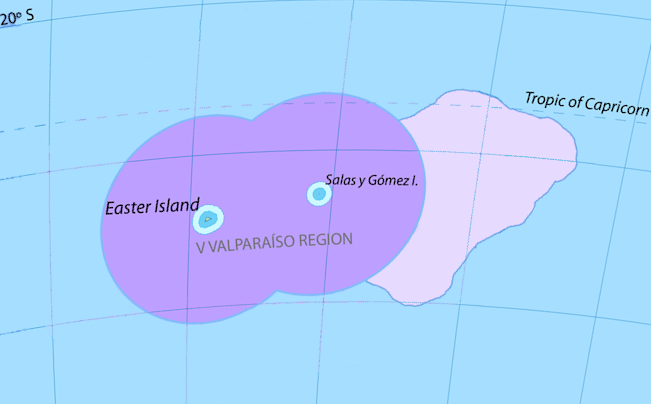
This extreme isolation shaped everything about the island’s history and the unique culture that developed there. For centuries, its inhabitants lived in a world of their own.
First Footprints
The first people to reach Rapa Nui were Polynesian voyagers. Around 1200 CE, they navigated the vast, open ocean in double-hulled canoes, a journey of incredible skill and bravery. They brought with them plants like taro and sweet potato, as well as chickens, starting a new society from scratch.
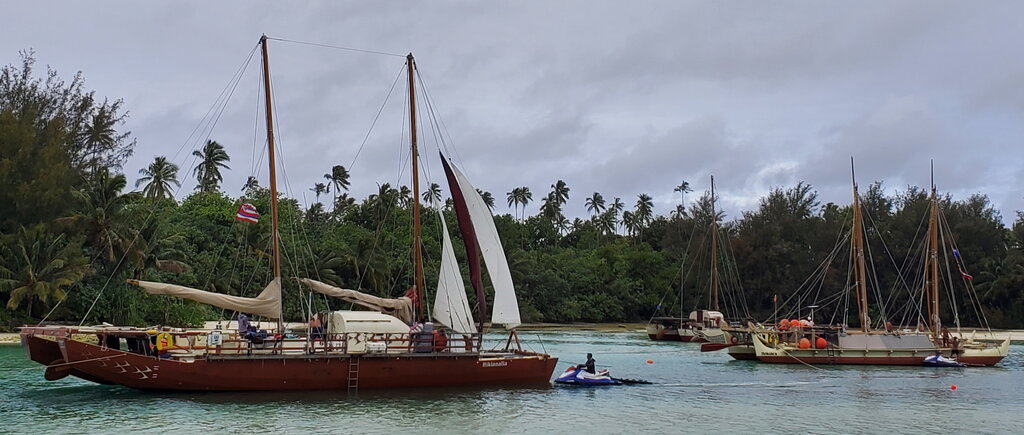
For hundreds of years, this community was undisturbed. The outside world didn't know the island existed until Easter Sunday, 1722, when Dutch explorer Jacob Roggeveen arrived. He named it Easter Island in honor of the day he first saw it. This marked the beginning of contact with Europeans, which would bring drastic changes to the island and its people.
The Rapa Nui People
Rapa Nui
noun
The name for both the island and its indigenous Polynesian inhabitants and their language.
The people who settled the island are known as the Rapa Nui. They developed a complex society with distinct chiefdoms and a rich culture. They adapted to the island's environment, which was once covered in lush palm forests. Their society was organized around clans, and they developed unique traditions in art, architecture, and religion.
Perhaps the most famous expression of their culture are the massive stone statues, or moai, that dot the landscape. While we won't dive into how they were built just yet, their silent presence is a powerful symbol of the ingenuity and spirit of the Rapa Nui people.
Understanding this remote setting and the people who called it home is the first step to unraveling the mysteries of this fascinating island.