EASA Part 66 Module 11 Aircraft Maintenance Basics
Introduction to Aircraft Maintenance
Keeping Aircraft Airworthy
An aircraft is a collection of millions of complex parts, all working together to achieve flight. The job of aircraft maintenance is to ensure every single one of those parts is in perfect working order. This isn't just about fixing things that break; it's about proactively preventing failures before they happen.
Think of it like a doctor's check-up, but for a machine that carries hundreds of people across the sky. Regular, detailed inspections and servicing are critical for two main reasons: safety and reliability. Every flight must be safe, and the aircraft must be ready to fly when scheduled. This meticulous attention to detail is what makes modern air travel incredibly safe.
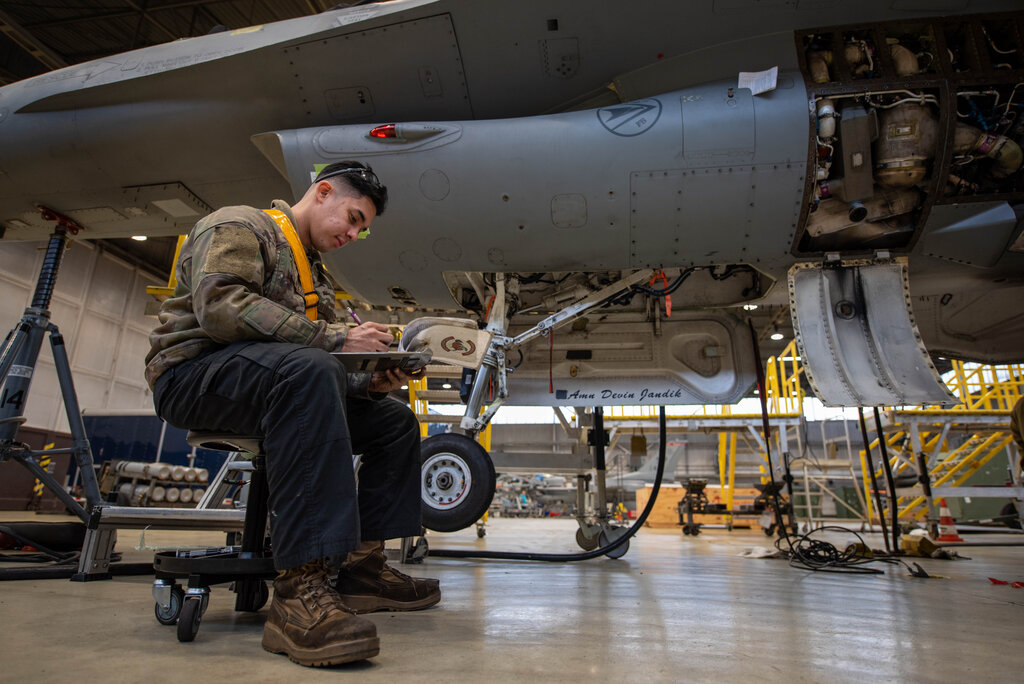
Every action a maintenance professional takes is guided by strict regulations and procedures. Nothing is left to chance. This structured approach ensures that every task is performed correctly, documented thoroughly, and verified, forming a chain of trust that ultimately protects passengers and crew.
The Maintenance Team
Ensuring an aircraft is safe to fly is a team effort involving several key roles. Each person has a specific set of responsibilities, all centered around maintaining the aircraft's airworthiness.
Aircraft Maintenance Technicians (AMTs), also known as mechanics or engineers, are the hands-on experts. They perform the physical work of inspections, repairs, and component replacements. They are highly trained specialists who understand the intricate systems of the aircraft.
Inspectors provide a crucial second layer of safety. After a technician completes a task, an inspector verifies that the work was done correctly and according to all regulations and manufacturer specifications. This quality assurance step is fundamental to the maintenance process.
Maintenance Planners work behind the scenes to schedule all required tasks. They track when different checks are due, from simple daily inspections to heavy maintenance overhauls that can take weeks. Their job is to ensure the aircraft gets the attention it needs without disrupting flight schedules unnecessarily.
The ultimate responsibility of every maintenance professional is to ensure the aircraft is "airworthy"—that is, fit to fly safely.
The Rules of the Sky
Aviation is a globally regulated industry. In Europe, the primary governing body is the European Union Aviation Safety Agency (EASA). EASA sets the standards for everything from aircraft design to pilot training and, critically, aircraft maintenance.
EASA Part 66 is the regulation that specifically defines the knowledge, experience, and skill requirements for aircraft maintenance personnel. It establishes a licensing system that ensures every technician has met a common high standard. Holding a Part 66 license is a testament to a technician's competence and professionalism.
| License Category | General Responsibilities |
|---|---|
| Category A | Performs minor scheduled line maintenance and simple defect rectification. |
| Category B1 | Licensed for maintenance on aircraft structure, power plants, and mechanical/electrical systems. |
| Category B2 | Licensed for maintenance on avionic and electrical systems (the aircraft's electronics). |
| Category C | Certifies the entire aircraft as airworthy after extensive base maintenance. |
These categories ensure that technicians have the right expertise for the specific tasks they are performing, whether it's a quick check at the gate or a complete engine overhaul in a hangar. This framework of rules and roles is the backbone of flight safety. Every correctly followed procedure and every diligent inspection directly contributes to the safety of every flight.
Now, let's test your understanding of these fundamental principles.
What are the two primary reasons for conducting regular and detailed aircraft maintenance?
What is the primary role of an Aircraft Maintenance Technician (AMT)?
The collaboration between skilled technicians, diligent inspectors, and comprehensive regulations ensures that every time an aircraft takes off, it is in the safest possible condition.