Earox Scooter Brake Pad Replacement
Brake System Basics
Your Brake System Explained
When you squeeze the brake lever, you're performing a bit of everyday magic: turning motion into heat. Your scooter's brake system is designed to do this efficiently and safely, using a few key parts working in perfect harmony. Think of it as a team where each member has a specific job.
The main players are the brake rotor, the caliper, the brake pads, and the brake line. The rotor (or disc) is the shiny, metal disc attached to your wheel hub that spins along with the wheel. The caliper is the clamp-like device that fits over the edge of the rotor. Tucked inside the caliper are the brake pads, which are small blocks of high-friction material. Finally, the brake line is the tube that connects your brake lever on the handlebar to the caliper at the wheel.
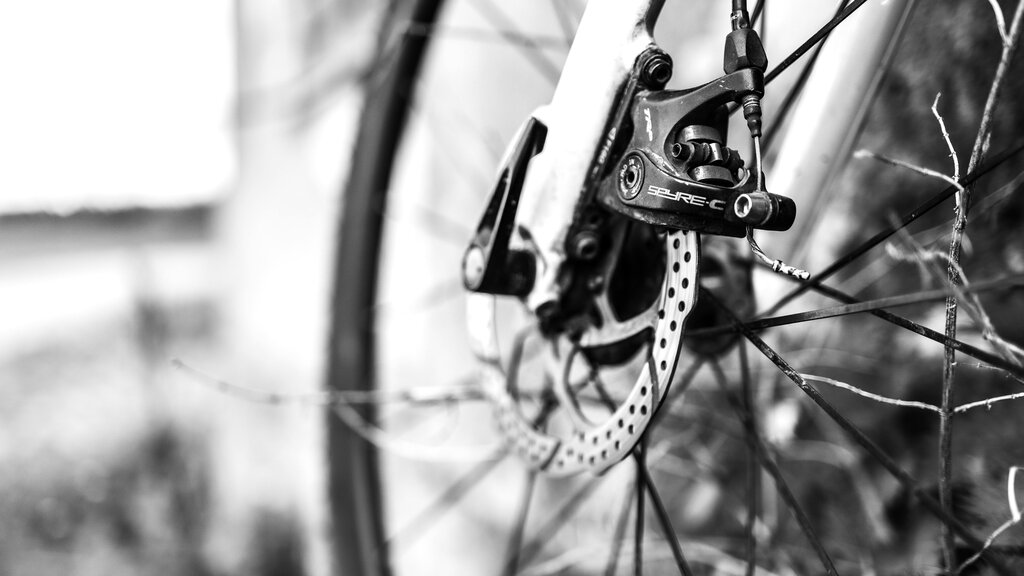
When you pull the brake lever, you're starting a chain reaction. A signal travels down the brake line, telling the caliper to squeeze. The caliper then presses the brake pads firmly against both sides of the spinning rotor. This creates intense friction, which converts the wheel's kinetic energy (motion) into thermal energy (heat), slowing you down.
Mechanical vs Hydraulic
That signal from the lever to the caliper can be sent in two ways: mechanically or hydraulically. The Earox scooter, like many others, uses a mechanical system.
Mechanical brakes use a steel cable, much like on a bicycle. When you pull the lever, you are physically pulling this cable, which causes the caliper to clamp down. They are simple, reliable, and easy to maintain.
Hydraulic brakes, on the other hand, use a sealed system filled with special brake fluid. Pulling the lever pushes fluid through the line, and the pressure of that fluid activates the caliper. This system provides stronger, smoother stopping power and self-adjusts as the pads wear down. However, it's more complex and can require a process called 'bleeding' to remove air bubbles if the system is ever opened.
| Feature | Mechanical Brakes | Hydraulic Brakes |
|---|---|---|
| Power Transmission | Steel Cable | Brake Fluid |
| Stopping Power | Good | Excellent |
| Feel | Direct, can feel stiff | Smooth, responsive |
| Maintenance | Simple cable adjustments | Requires fluid checks and bleeding |
| Cost | Less expensive | More expensive |
Why Maintenance Matters
Brake pads are designed to wear down over time—that's their job. But letting them wear down too much is dangerous. The friction material will eventually disappear completely, leaving the metal backing plate of the pad to grind directly against the metal rotor.
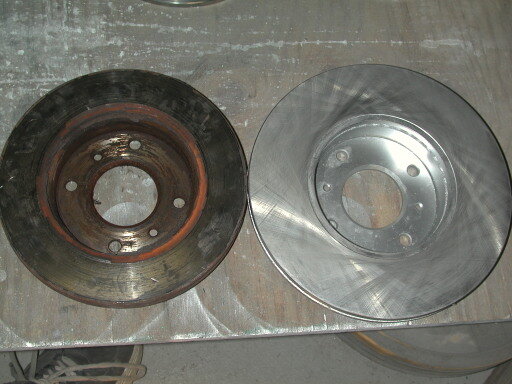
This metal-on-metal contact drastically reduces your stopping power and can permanently damage the rotor, turning a simple pad replacement into a much more expensive repair. The first signs of worn pads are often a squealing or grinding noise when you brake, or a feeling that the scooter takes longer to stop than it used to.
Regularly checking your brake pads isn't just about saving money on parts; it's a critical safety habit. Your ability to stop quickly and predictably depends on it.
Now that you understand the components and why they matter, you'll be better prepared to tackle the replacement process.