Earning Your First Dollar
Understanding Income
What Is Income?
At its core, income is the money you receive. It's the financial fuel for your life. Most often, you get it in exchange for your time and labor at a job, but it can also come from other sources, like investments or a side business you run.
Think of income as the starting point for your entire financial journey. It’s the money that flows in, allowing you to pay for everything from housing and food to savings and entertainment. Without it, there’s nothing to spend, save, or invest. Understanding where your money comes from is the first step toward managing it well.
Active vs. Passive Income
Not all income is created equal. The two main categories are active and passive, and the difference comes down to the effort required to earn it.
Active Income
noun
Money earned from performing a service or work. Your continued presence and effort are required to generate this income.
Active income is what most people are familiar with. It’s the direct result of the work you do. If you stop working, this income stream stops too. It's a trade of your time and skills for money.
Common examples of active income include:
- Salary from a full-time or part-time job
- Wages earned on an hourly basis
- Tips and commissions
- Earnings from a business you actively manage
Now let’s look at the other side.
Passive Income
noun
Money earned from an asset you own with minimal ongoing effort from you.
Passive income is different. It usually requires an upfront investment of time or money, but once it's set up, it continues to generate money without much active work. This doesn't mean it's
Passive income refers to earnings that require minimal ongoing effort to maintain. It’s not about getting rich quickly but rather about building streams of income that flow in over time.
It’s about creating systems or owning assets that work for you.
Sources of passive income might include:
- Rental income from real estate
- Dividends from stocks
- Interest from savings accounts or bonds
- Royalties from creative work like a book or song
| Feature | Active Income | Passive Income |
|---|---|---|
| Effort Required | Continuous, hands-on work | Upfront work, then minimal |
| Time Link | Directly tied to hours worked | Not directly tied to time |
| Examples | Salary, freelance work, wages | Stock dividends, rental income |
| Scalability | Limited by your time | Highly scalable |
Why Income Matters
Your income is the foundation of your personal finances. It dictates your lifestyle, your ability to save for the future, and your capacity to handle unexpected expenses. A steady and sufficient income provides security and opens up opportunities.
Many people aim to build both active and passive income streams. Active income covers immediate needs, while passive income can help build long-term wealth and create financial freedom. By diversifying how you earn money, you become less reliant on a single source, which is a powerful step toward financial stability.
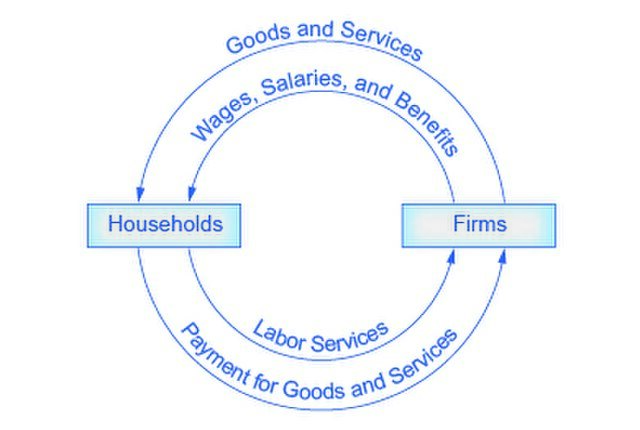
Understanding these concepts helps you see your own financial situation more clearly and plan for the future.
What is the primary role of income in personal finance?
Which of the following is the best example of passive income?
Recognizing the different ways money flows into your life is a fundamental financial skill.