Early-Stage Startup Investment & Portfolio Management
Introduction to Startup Investing
The Startup Journey
A startup isn't just a new business. It's a company designed to grow fast. Unlike a local coffee shop that aims for steady, local business, a startup aims to build something scalable, often using technology, to capture a large market. Think of it as the difference between planting a single tree and trying to grow an entire forest.
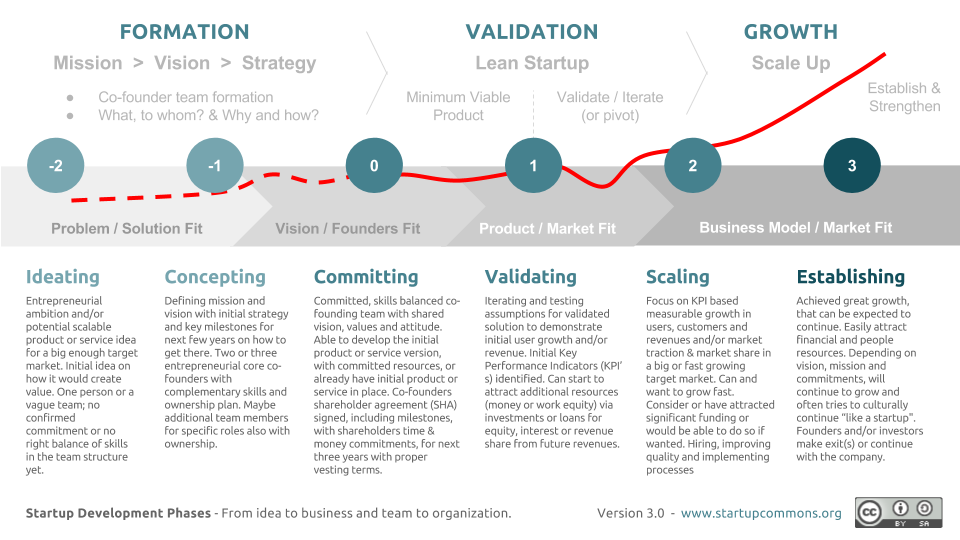
This journey typically unfolds in a few key stages. It starts with an idea, moves into a validation phase to see if people actually want the product, and hopefully progresses to a growth stage where the business scales up quickly.
High Risk, High Reward
Investing in startups is fundamentally different from buying stocks in a large, established company. The potential for massive returns is huge, as getting in on the ground floor of the next big thing can be incredibly lucrative. However, the risk is equally high. Most startups fail.
For every successful startup you hear about, there are hundreds that didn't make it. This is the core reality of early-stage investing.
Because of this risk, startup investing is about building a portfolio. Investors don't just bet on one company; they invest in many, knowing that the big wins from one or two successful ventures need to cover the losses from all the others.
More Than Just Money
Early-stage investors, often called angel investors or venture capitalists, do more than just write checks. They bring experience, mentorship, and a network of contacts to the table. A good investor acts as a partner to the founders, helping them navigate challenges and make crucial decisions.
This hands-on role is a key part of the startup ecosystem. Founders get the capital they need to build their product, and investors get to actively help their investments succeed, increasing the chances of a good return. It's a symbiotic relationship.

Doing Your Homework
How do investors decide where to put their money? The process is called due diligence. It's the work of investigating an investment opportunity before making a decision. The goal is to verify the startup's claims and assess its potential for success.
While every investor's process is slightly different, they almost always look at a few key areas: the founding team, the market, the product itself, and the business model.
| Area | Key Questions |
|---|---|
| The Team | Do the founders have relevant experience? Are they resilient and adaptable? |
| The Market | How big is the potential market? Is it growing? Who are the competitors? |
| The Product | Does the product solve a real problem for customers? Is it better than existing solutions? |
| Business Model | How will the company make money? Are the economics sustainable? |
At the stage we invest, most of our due diligence focuses on two things: The quality of the founding team and the size/attractiveness of the market opportunity.
Understanding the broader market dynamics is also critical. Is technology shifting in a way that creates a new opportunity? Are customer behaviors changing? Catching a market trend at the right time can be the difference between a small success and a massive one. Investors are always looking for founders who not only have a great idea but also understand the landscape they're operating in.
What is the primary characteristic that distinguishes a startup from a traditional small business, like a local coffee shop?
Why is a 'portfolio approach' essential for startup investing?
By understanding these fundamentals, you can begin to see how investors analyze opportunities and support the growth of new companies.