Early Literacy and Numeracy for Young Learners
Letter Recognition
Learning the Alphabet
The first step into the world of reading is learning the alphabet. Recognizing the 26 letters that make up words is a huge milestone for a child. It's like being given the keys to a secret code. But how do you make this learning process feel less like a lesson and more like playtime? The key is to make it fun, engaging, and a natural part of your day.
Learning the alphabet is a cornerstone of early childhood education, and introducing each letter in a memorable, hands-on way can make all the difference in how well your child engages with reading and writing.
Sing Your Way to A-B-C
One of the most powerful tools for teaching the alphabet is music. You probably learned the alphabet yourself by singing the classic “Alphabet Song.” Children are naturally drawn to rhythm and melody, and this attraction makes songs an incredibly effective memory aid.
The repetition in alphabet songs helps cement the name and order of each letter in a child's mind. Singing together is a joyful activity that builds positive associations with learning. It doesn’t require any special materials, just your voice. You can sing it in the car, during bath time, or while walking to the park.
Singing a simple song a few times a day is an easy way to build a strong foundation for letter recognition.
Play to Learn
Games turn letter practice into an adventure. Instead of just pointing to letters, you can create playful challenges that get your child actively involved. The goal is to make spotting letters a fun and rewarding experience.
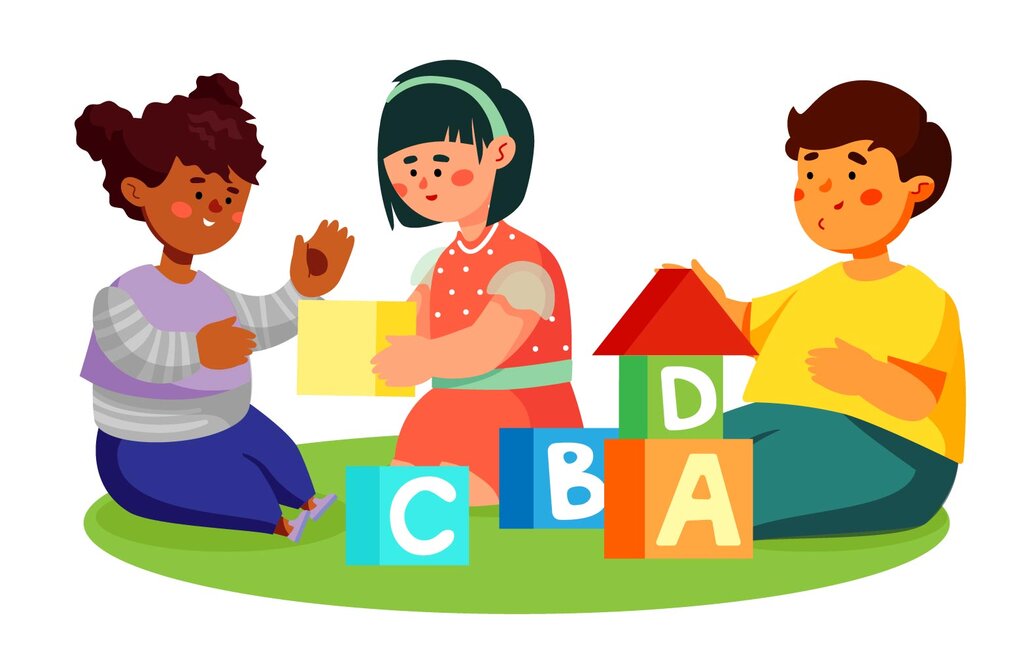
A simple game is a "Letter Hunt." Look for letters in your everyday environment. You can say, "I see a letter B on that sign! Can you find one?" Cereal boxes, books, and posters are great places to search. Alphabet puzzles are another fantastic option. As children fit the pieces into place, they become familiar with the unique shape of each letter.
A matching game using flashcards is also effective. You can start by having your child match identical letters (A to A, B to B). As they get more confident, you can introduce matching uppercase letters to their lowercase partners (A to a, B to b).
See It Everywhere
Visual aids help make letters a constant, familiar part of your child's world. An alphabet poster on the wall of their room or play area provides daily exposure. You can point to letters casually and name them, making it a low-pressure learning moment.
Alphabet flashcards are also a versatile tool. You can use them for quick drills, matching games, or simply to focus on one letter at a time. Holding a physical card helps a child focus their attention on the specific shape and name of that letter. The bright colors and simple designs of most alphabet aids are made to capture a child's attention.
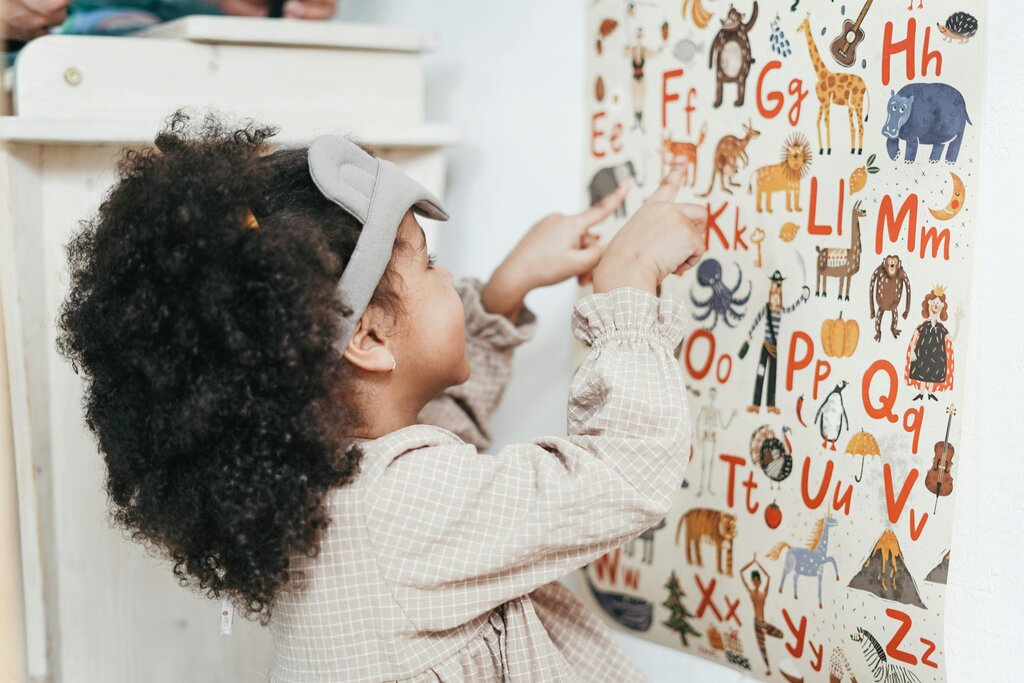
By combining songs, games, and simple visual tools, you can help your child master the alphabet in a way that feels natural and exciting. This foundation in letter recognition is the first big step on their journey to becoming a reader.
What is the main reason music, like the "Alphabet Song," is an effective tool for teaching letters?
A "Letter Hunt" is a game where you and your child look for letters in your everyday environment, like on signs and cereal boxes.