Early Childhood Education Fundamentals
Introduction to Early Childhood Education
The Most Important Classroom
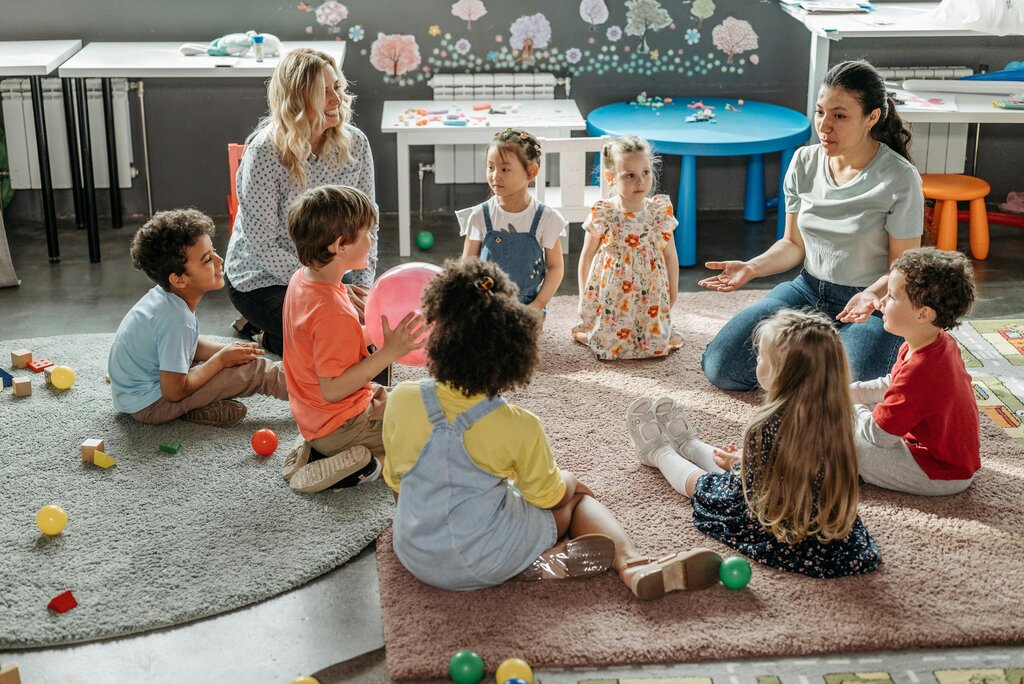
Early childhood education is the learning that happens from birth through age eight. It’s a time of incredible growth, when the foundation for future learning, behavior, and health is laid. This period isn't just about preparing for elementary school; it's about nurturing a child's natural curiosity and developing the whole person.
Early Childhood Education
noun
A broad term for any educational program that serves children in their preschool years, before they are old enough to enter kindergarten. It focuses on the holistic development of a child's social, emotional, cognitive, and physical needs.
Think of it like building a house. You need a strong, stable foundation before you can put up the walls and the roof. Early learning experiences are that foundation. They shape the brain's architecture and create the framework for all future knowledge and skills. A positive start helps children develop social skills, emotional resilience, and a love of learning that can last a lifetime.
How We Got Here
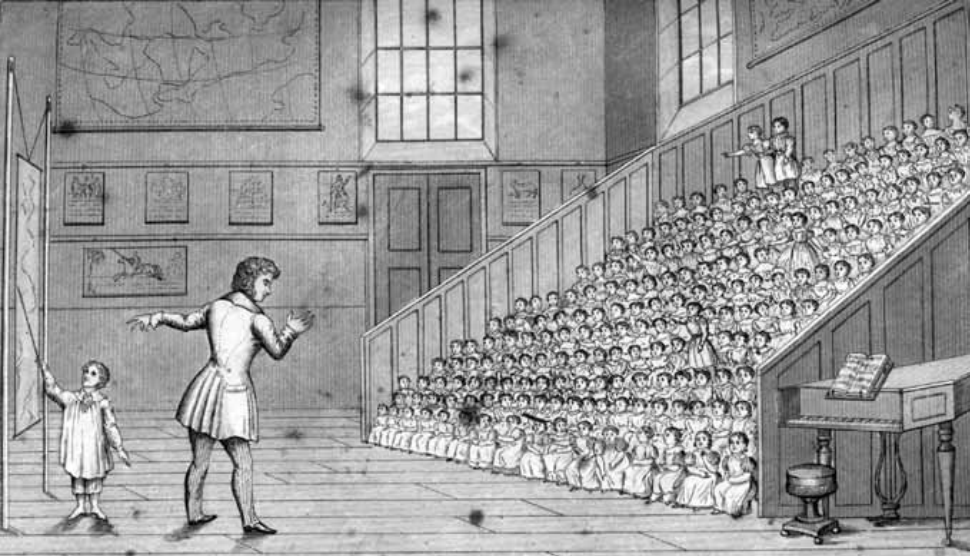
The idea of formally educating very young children is relatively new. For much of history, childhood was seen simply as a miniature version of adulthood. It wasn't until the 19th and 20th centuries that pioneers began to see these early years as a unique and critical stage of development.
Figures like Friedrich Froebel, who created the first "kindergarten" (literally "children's garden") in Germany, argued that children learn best through play. Around the same time, Maria Montessori, Italy's first female physician, developed new materials and methods based on her scientific observations of how children naturally learn.
These early thinkers shifted the focus from rote memorization to hands-on, experience-based learning that respects the child as an active participant in their own education.
Different Paths to Learning
Today, there isn't one single way to approach early childhood education. Several distinct philosophies have emerged, each with its own perspective on how children learn best. Let's look at three well-known models: Montessori, Reggio Emilia, and Waldorf.
This child-centered approach encourages curiosity, independence, and a lifelong love for learning.
The Montessori method emphasizes self-directed learning. Classrooms are carefully prepared environments filled with specific, hands-on materials. Children are free to choose their activities and work at their own pace, often in mixed-age groups where older kids can mentor younger ones. The teacher acts as a guide, observing and connecting children with activities that match their interests and developmental stage.
The Reggio Emilia approach, which originated in Italy after World War II, views the child as a capable and competent protagonist in their own learning. The environment is considered the "third teacher," designed to be rich with possibilities that provoke curiosity. Learning happens through long-term projects driven by the children's interests, and they are encouraged to express their understanding through many "languages," including drawing, sculpture, music, and drama.
Waldorf education aims to develop the whole child—head, heart, and hands. The curriculum is structured around the developmental stages of childhood, with a strong emphasis on creativity, imagination, and learning through practical activities. The daily and weekly rhythm is predictable and comforting, and play is considered the essential work of the young child. Academics are introduced gradually, allowing a strong foundation of imaginative and social skills to form first.
| Approach | Core Philosophy | Teacher's Role | Learning Environment |
|---|---|---|---|
| Montessori | Self-directed, hands-on learning | A guide or facilitator | Prepared, orderly, with specific materials |
| Reggio Emilia | Child-led, project-based exploration | A co-learner and researcher | Rich with materials, seen as a "third teacher" |
| Waldorf | Holistic development (head, heart, hands) | An authority and role model | Warm, homelike, emphasizing nature and rhythm |
The Role of the Educator
Regardless of the specific model, the early childhood educator is far more than a babysitter. They are skilled professionals who create safe, nurturing, and stimulating environments where children can thrive. Their responsibilities are vast.
They plan activities that promote growth across all developmental domains: physical, social, emotional, and cognitive. They observe children carefully to understand their individual needs, interests, and abilities. They build positive relationships with children and their families, creating a partnership to support each child's development. Most importantly, they foster a sense of belonging and wonder, helping children see themselves as capable learners.
The goal is to create a learning environment that is challenging but not frustrating, allowing every child to feel successful and competent.
This leads to a core principle in the field: developmentally appropriate practice (DAP). This simply means that educators make decisions based on what they know about child development in general, the individual children in their care, and the cultural context of the children and their families. It's about meeting children where they are, both as a group and as individuals, to help them reach challenging and achievable goals.
Ready to check your understanding? Let's see what you've learned about the foundations of early childhood education.
What is the primary purpose of early childhood education, according to the provided text?
Who is credited with creating the first "kindergarten," emphasizing that children learn best through play?
Understanding these foundational concepts is the first step in appreciating the complex and vital work of educating young children.