Early Childhood Development Milestones
Introduction to Early Childhood Development
The Blueprint of Childhood
Early childhood development is the incredible journey a child takes from birth through their preschool years. It’s a period of the most rapid growth a human ever experiences. Think of it like building a house. The first few years are all about laying a strong foundation. Everything that comes later, from academic success to social skills, is built upon this early groundwork.
This foundational period shapes a child's future health, happiness, and ability to learn for the rest of their life.
Understanding this process isn't just for scientists or educators. It helps anyone who cares for a child provide the right kind of support and create an environment where they can thrive. It's about recognizing the amazing changes happening inside that little person and knowing how to nurture them.
The Four Areas of Growth
Child development isn't just one thing. It happens across four main areas, or domains, that are all interconnected. A change in one area often sparks a change in another. Let's break them down.
Physical development is the most obvious area of growth. It's about the body. This includes developing control over muscles, from large movements like running and jumping (gross motor skills) to small, precise actions like picking up a crayon (fine motor skills). It also covers physical growth in height and weight.
Cognitive development refers to how the brain processes information. It’s about thinking, learning, remembering, and problem-solving. When a baby learns that shaking a rattle makes a noise, that's cognitive development. So is a toddler figuring out how to stack blocks or a preschooler learning the alphabet.
Social development is all about learning to relate to other people. Children aren't born knowing how to share or take turns. They learn these skills through interaction. This domain covers everything from a baby smiling at a parent to a preschooler learning to play cooperatively with friends and navigate classroom rules.
Emotional development involves learning what feelings are and how to manage them. A child learns to identify emotions like happiness, sadness, and anger in themselves and others. A big part of this journey is developing the ability to self-regulate, like learning to calm down after a disappointment.
These four domains don't grow in isolation. When a child learns to walk (physical), they can explore new parts of their world, which boosts their learning (cognitive).
What Shapes a Child?
Every child's developmental path is unique, shaped by a blend of different factors. Think of it as a recipe with three key ingredients: genetics, environment, and culture.
Genetics is the blueprint inherited from parents. It can influence things like temperament, physical appearance, and certain abilities or health conditions.
Environment is everything a child experiences. This includes their relationships with family and caregivers, their physical surroundings, and their access to nutrition and healthcare. A safe, stable, and stimulating environment provides the raw materials for healthy development.
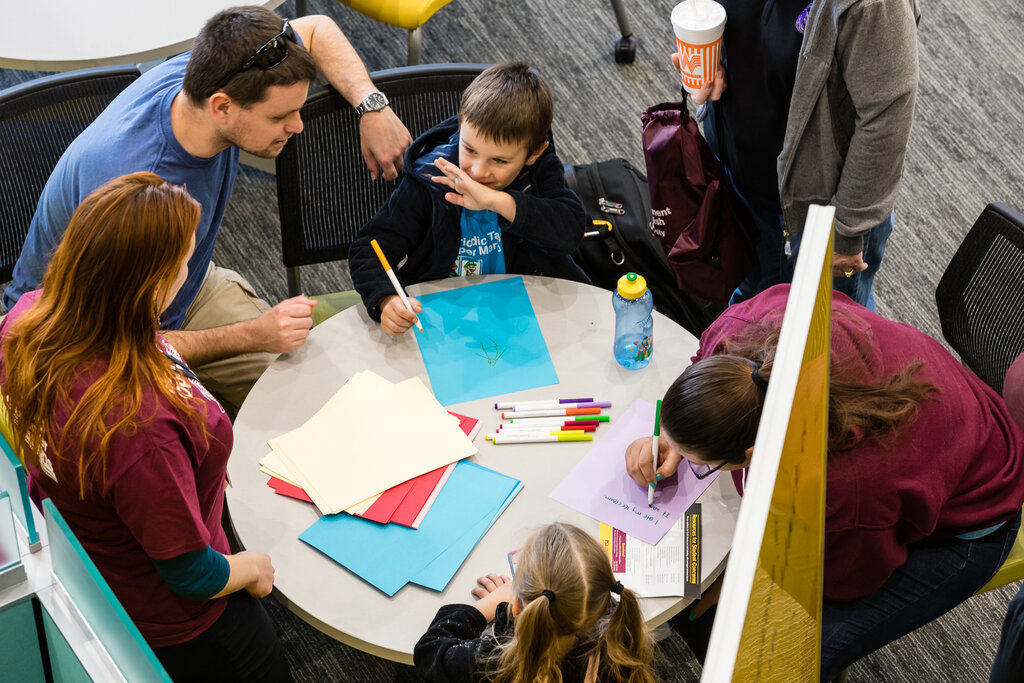
Culture provides the context for a child's development. Cultural values and customs influence everything from what children eat to how they are taught to behave and interact with others. It shapes the expectations and opportunities that guide their growth.
Ultimately, the most powerful force in a child's early life is their interaction with caring adults. Simple, everyday moments, like talking, playing, and reading together, build a child’s brain and strengthen their sense of security. These early experiences don't just create happy memories; they build the foundation for a lifetime of learning and well-being.