Early American Colonial Cooking Traditions
Indigenous Ingredients
The Three Sisters
Long before European ships reached North American shores, sophisticated agricultural systems were already in place. The foundation of many Indigenous diets, particularly in the Eastern Woodlands, was a trio of crops known as the “Three Sisters”: corn, beans, and squash.
These weren't just three random plants grown side-by-side. They were cultivated together in a symbiotic relationship that enriched the soil and supported each other's growth.
The corn provided a natural trellis for the beans to climb. The beans, in turn, pulled nitrogen from the air and fixed it in the soil, enriching it for all three plants. The sprawling squash vines with their big leaves shaded the ground, which prevented weeds from growing and kept the soil moist. This ingenious system created a sustainable and high-yield food source.
Corn The Mainstay
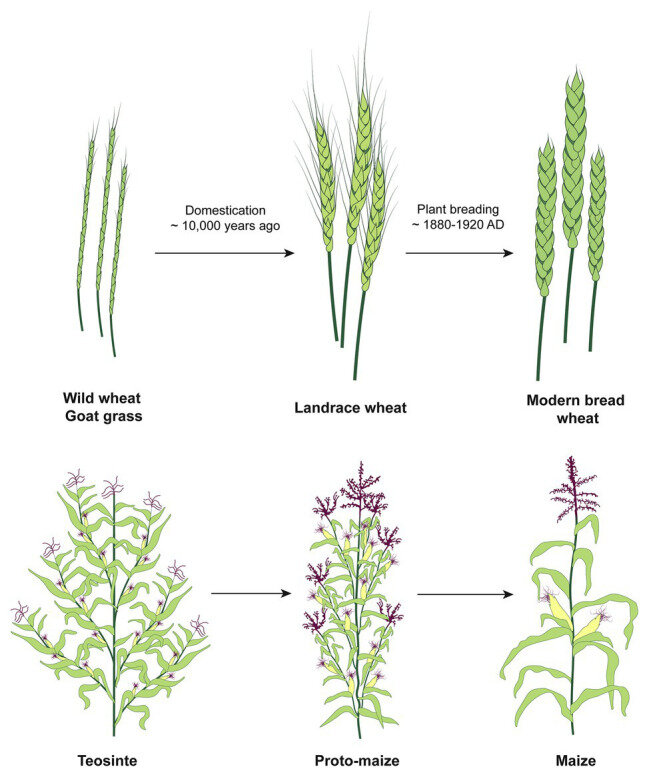
Corn, or maize, was the most important staple. Its domestication from a wild grass called teosinte thousands of years ago in Mesoamerica was a monumental achievement. By the time colonists arrived, hundreds of varieties were being cultivated across the Americas, adapted to different climates.
But it wasn't just growing corn that was sophisticated; it was also the preparation. Indigenous peoples developed a process called nixtamalization, which dramatically increased the nutritional value of corn. Without this process, a diet heavy in untreated corn can lead to nutrient deficiencies.
Nixtamalization
noun
A process for the preparation of maize (corn) in which the grain is soaked and cooked in an alkaline solution, usually limewater, and hulled.
This process made it possible to grind the softened corn into masa for tortillas, or to create hominy for stews and porridges. Dried corn could be stored for years, providing a reliable food source through harsh winters. This knowledge was essential for the survival of early colonial settlers, who often learned these techniques directly from their Native neighbors.
Beyond the Garden
While agriculture was central, it was supplemented by a deep knowledge of the surrounding environment. Foraging for wild edibles was a crucial part of the diet. This included gathering nuts like acorns and chestnuts, which were processed to remove tannins, as well as berries, mushrooms, and edible greens.
Hunting and fishing provided essential protein. Depending on the region, this meant deer, turkey, rabbit, and waterfowl. In coastal areas and along rivers, fish, shellfish, and eels were staples. Nothing was wasted; hides were used for clothing, bones for tools, and sinew for cordage.
These innovations included complex irrigation infrastructure that allowed them to farm corn, beans, and squash—known as the “Three Sisters”—enabling them to thrive in what many would consider inhospitable conditions.
The colonists arrived in a land that was not a wild, untamed wilderness, but a managed landscape. The agricultural and foraging practices of Indigenous peoples had shaped the environment for centuries. When settlers learned to plant corn, hunt turkey, and tap maple trees for sugar, they were adopting a food system that was perfectly adapted to the American continent.
In the 'Three Sisters' agricultural system, what is the primary role of the bean plants?
What was the most significant nutritional benefit of nixtamalization, the process of treating corn with an alkaline solution?
This foundation of indigenous ingredients and knowledge was the true starting point of what would eventually become American cuisine.