E-commerce Wholesale Essentials
Introduction to Wholesale Business
The Wholesale Link
Think about the last time you bought a single can of soda from a convenience store. You participated in a retail transaction. Now, imagine the store owner buying hundreds of cases of that same soda to stock their shelves. That's a wholesale transaction.
Wholesaling is the business of buying goods in large quantities directly from manufacturers or distributors. The goal isn't to use the products, but to sell them to other businesses, like retailers, who then sell them to final consumers. Wholesalers are a critical link in the supply chain.
Wholesale
noun
The business of selling goods in large quantities at low prices, typically to be sold on by retailers at a profit.
They act as the middle ground, connecting the factory that produces an item with the online store where you might buy it. By purchasing massive volumes, wholesalers get a significant discount, which they then pass along (in part) to the retailers they supply.
Why Buy Wholesale?
For an online retailer, sourcing products through wholesalers offers several key advantages. The most obvious is cost. Buying in bulk unlocks lower prices per unit, which means you can either offer competitive prices to your customers, enjoy a higher profit margin, or both.
Beyond price, working with wholesalers simplifies your sourcing process. Instead of establishing relationships with dozens of different manufacturers, you can often find a wide variety of products from a single wholesale partner. This saves time and reduces the complexity of managing your inventory.
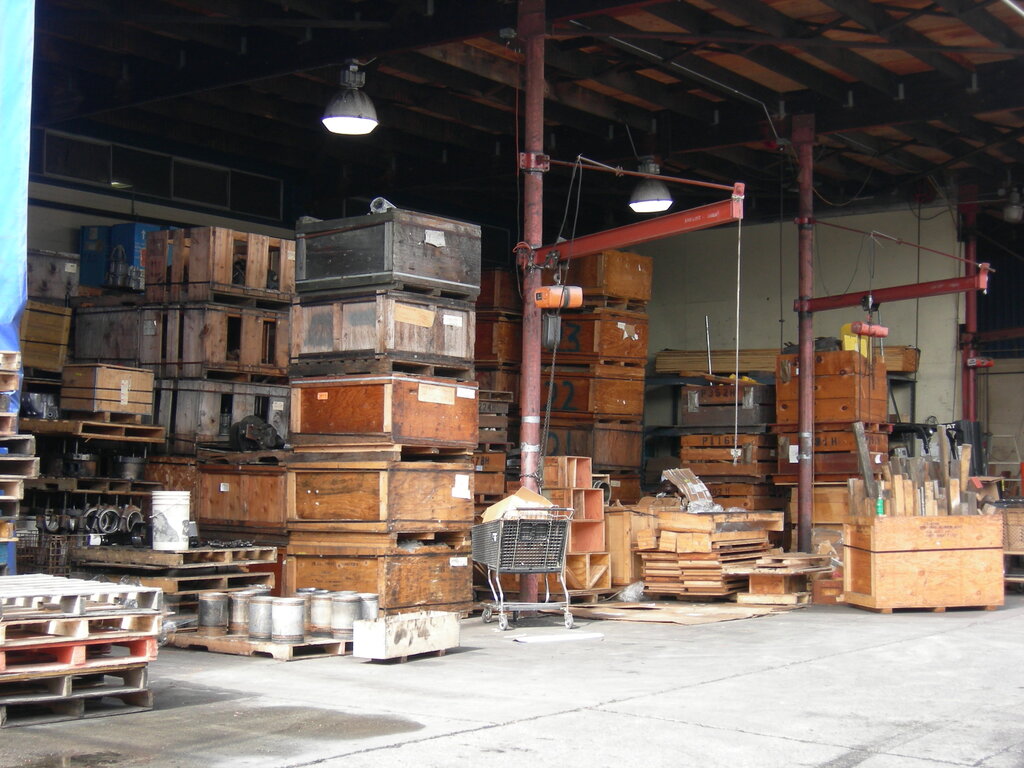
Finally, buying wholesale gives you control over the products you sell. You physically have the inventory, which allows you to manage your own branding, packaging, and shipping. This control is essential for building a strong brand identity and ensuring a positive customer experience.
The core advantage of wholesale is leveraging volume. Buying more of an item drives down its individual cost, which is the foundation of a profitable retail business.
Wholesale vs. Retail
The fundamental difference between wholesale and retail lies in the customer. Wholesalers sell to businesses, while retailers sell directly to consumers. This core distinction creates several other operational differences.
| Feature | Wholesale | Retail |
|---|---|---|
| Customer | Businesses (B2B) | Consumers (B2C) |
| Quantity Sold | Large (bulk) | Small (individual units) |
| Price Per Item | Lower | Higher |
| Business Focus | Distribution & Logistics | Marketing & Customer Service |
| Inventory Volume | Very High | Varies (from low to high) |
A wholesaler is focused on efficiently moving large volumes of product. Their success depends on logistics, warehouse management, and strong relationships with manufacturers. A retailer, on the other hand, is focused on the end customer. Their success is driven by branding, marketing, customer experience, and merchandising.
As an e-commerce entrepreneur, you operate on the retail side. But understanding the wholesale side is crucial, as it's where your products will likely come from.
What is the primary role of a wholesaler in the supply chain?
The fundamental difference between a wholesaler and a retailer is the type of customer they serve.
By acting as the bridge between production and sales, wholesaling makes the entire e-commerce ecosystem possible, allowing small online shops to access and sell products from around the world.