E-commerce Fundamentals
Introduction to E-commerce
What Is E-commerce?
E-commerce is simply the buying and selling of things online. Instead of walking into a physical store, you visit a website or an app. This could mean ordering a pizza, buying a new pair of shoes, or even subscribing to a streaming service. Anything that involves a transaction over an electronic network like the internet is e-commerce.
Its significance in modern business is huge. E-commerce allows a small shop in a quiet town to reach customers all over the world. It gives shoppers endless choices and the convenience of buying from their couch. For businesses, it opens up new markets and ways to connect with people.
A Quick History
While it feels like a modern invention, the roots of e-commerce go back to the 1970s and 80s with systems that allowed businesses to share documents electronically. But the real game-changer was the public launch of the internet in the 1990s. Companies like Amazon and eBay pioneered the online retail experience, transforming how we think about shopping. What started as a niche way to buy books or collectibles has exploded into a global marketplace for nearly everything imaginable.

The Core Components
Every e-commerce transaction, whether simple or complex, relies on a few key components working together behind the scenes.
Think of these components as the digital equivalent of a physical store's layout: the display window, the shopping basket, the checkout counter, and the stockroom.
Digital Storefront This is the website or app itself—the online version of a brick-and-mortar store. It's where products are displayed with descriptions, prices, and images. A good storefront is easy to navigate, helping you find what you're looking for without hassle.
Shopping Cart System When you find something you want to buy, you add it to your virtual shopping cart. This system keeps track of all the items you've selected, lets you adjust quantities, and holds them for you until you're ready to check out. It acts just like a physical cart you'd push around a supermarket.
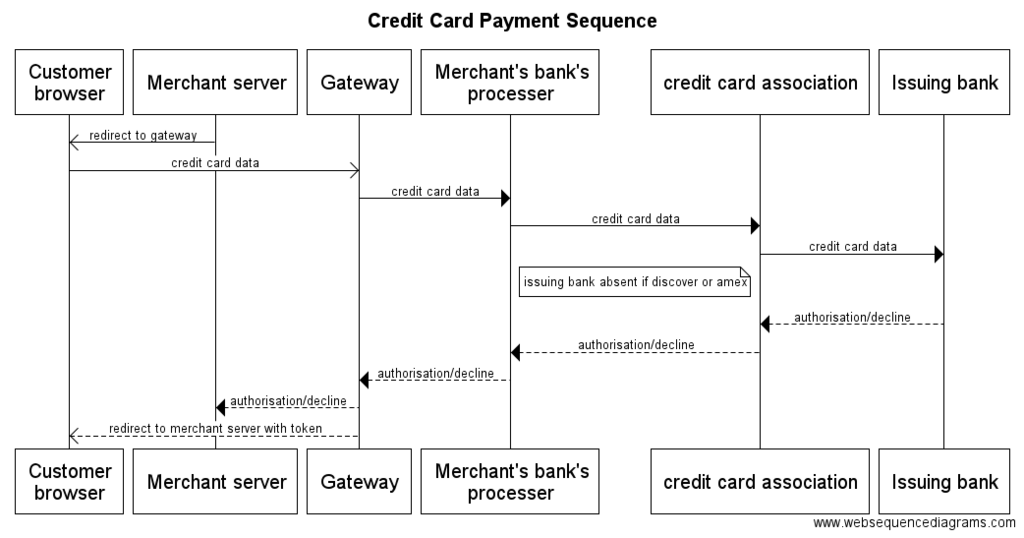
Payment Gateway A payment gateway is a secure service that handles the financial transaction. When you enter your credit card details, the gateway encrypts that information and communicates with the bank to authorize the payment. It's the digital cash register that ensures money moves from the customer to the seller safely.
Order Fulfillment Once the payment is approved, the order needs to be fulfilled. This is the process of getting the product from the warehouse shelf into the customer's hands. It involves picking the right item, packing it securely, and handing it off to a shipping carrier for delivery. For digital goods, like an e-book or software, fulfillment is instant—a download link is simply sent to the buyer.
Keeping It Secure
Handing over personal and financial information online requires trust. That's where security protocols come in. You've probably seen a little padlock icon in your browser's address bar when you're on a shopping or banking site. That padlock means the connection is secure.
SSL
noun
Secure Sockets Layer. An older but still commonly used term for a protocol that encrypts the link between a web server and a browser.
The two most important protocols are SSL (Secure Sockets Layer) and its more modern, secure successor, TLS (Transport Layer Security). Both work by creating an encrypted, private tunnel between your device and the website's server. Any data that passes through this tunnel, like your name, address, or credit card number, is scrambled into an unreadable code. This prevents anyone from intercepting and stealing your information as it travels across the internet.
Essentially, SSL/TLS acts like a sealed, tamper-proof envelope for your digital information, ensuring only the intended recipient can open it.
Now that you understand the fundamental pieces of e-commerce, let's review the key terms.
Ready to test your knowledge?
What is the most accurate definition of e-commerce?
Which e-commerce component is responsible for securely processing a customer's credit card information?