E-commerce Fundamentals and Its Connections
Introduction to E-commerce
What Is E-commerce?
E-commerce is short for electronic commerce. At its core, it's simply the buying and selling of goods or services using the internet, and the transfer of money and data to execute these transactions.
It might feel like online shopping has been around forever, but it's a relatively new phenomenon. The first secure online retail transaction happened in the mid-1990s. Since then, the growth has been explosive. What started as a novelty for tech enthusiasts has become a global economic powerhouse, changing how we shop, work, and live.
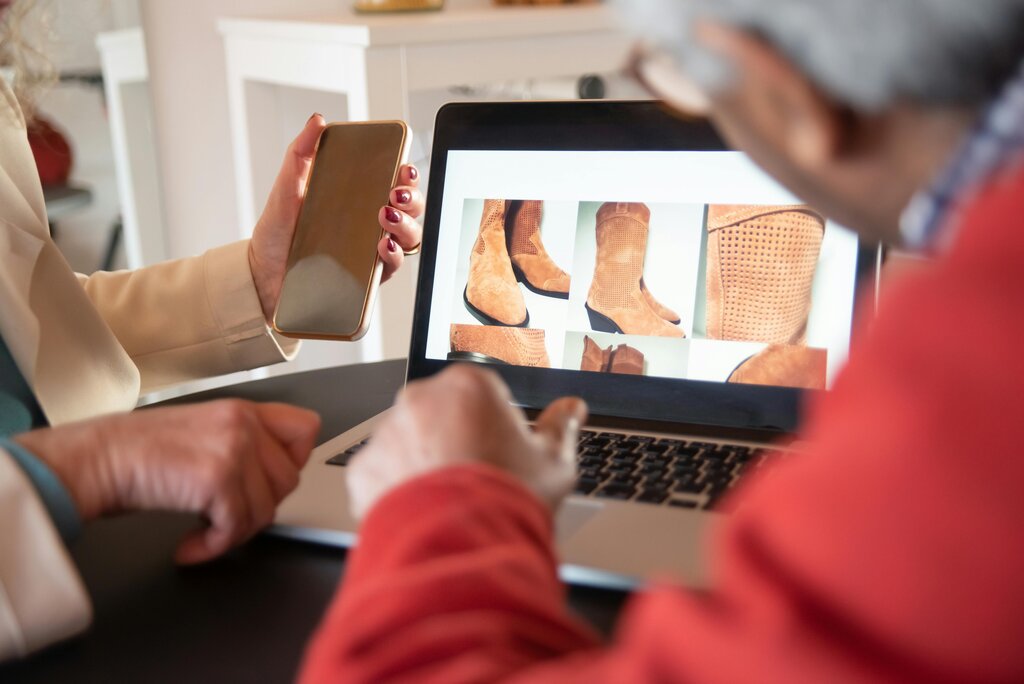
This boom was fueled by the rise of the internet, secure payment systems, and powerful mobile devices. Businesses of all sizes can now set up a digital storefront and reach customers around the corner or across the world.
The Four Flavors of E-commerce
Not all e-commerce is the same. Transactions can happen between different types of parties. We can break these down into four main models.
| Model | Stands For | Who Sells to Whom | Example |
|---|---|---|---|
| B2C | Business-to-Consumer | Businesses sell to individuals. | Buying a pair of shoes from Nike's website. |
| B2B | Business-to-Business | Businesses sell to other businesses. | A construction company buying steel beams from a manufacturer. |
| C2C | Consumer-to-Consumer | Individuals sell to other individuals. | Selling a used bicycle on eBay or Facebook Marketplace. |
| C2B | Consumer-to-Business | Individuals sell to businesses. | A freelance graphic designer creating a logo for a company. |
You've likely participated in B2C and C2C transactions many times. B2B is a massive, often hidden part of the economy, involving everything from office supplies to enterprise software. C2B is a newer model that has grown with the rise of the gig economy and social media, where individuals can offer their skills or influence directly to companies.
The Good and The Bad
E-commerce offers incredible advantages, but it also comes with its own set of challenges.
On the plus side, the convenience is unmatched. You can shop 24/7 from your couch. For businesses, the ability to reach a global market without the need for physical stores is a game-changer. This lowers overhead costs, as there's no rent for a storefront in a busy area or the need for a large sales staff.
A small business in a tiny town can sell its products to customers on the other side of the world, something unimaginable a few decades ago.
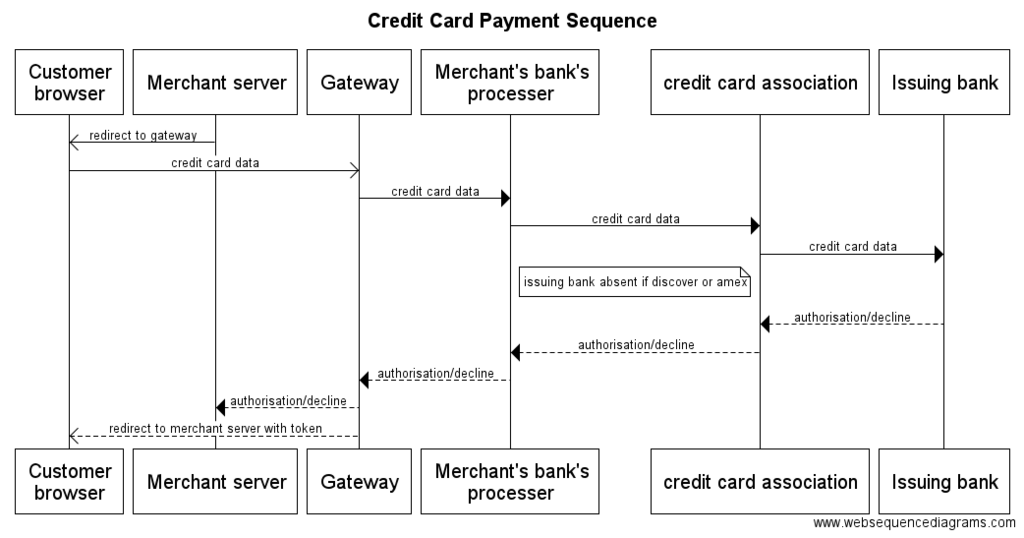
However, operating online introduces unique problems. Cybersecurity is a constant concern. Businesses must protect sensitive customer data, like credit card numbers and addresses, from hackers. A single data breach can destroy a company's reputation.
Logistics are another major hurdle. Getting products from a warehouse to a customer's doorstep quickly and affordably is a complex puzzle involving shipping, tracking, and handling returns. This is often the most difficult part of running an online store.
Ready to test your understanding of these core concepts? Take a shot at the quiz below.
What is the core definition of e-commerce?
According to the provided text, when did the first secure online retail transaction occur?
E-commerce is a dynamic field that continues to evolve with new technologies and changing consumer habits. Understanding these fundamentals is the first step to navigating this digital marketplace.