E-commerce Features Explained
Introduction to E-Commerce
What is E-commerce?
E-commerce is short for electronic commerce. It's simply the buying and selling of goods or services using the internet. Anytime you buy a book from an online store, order food delivery through an app, or even book a flight on a website, you're participating in e-commerce.
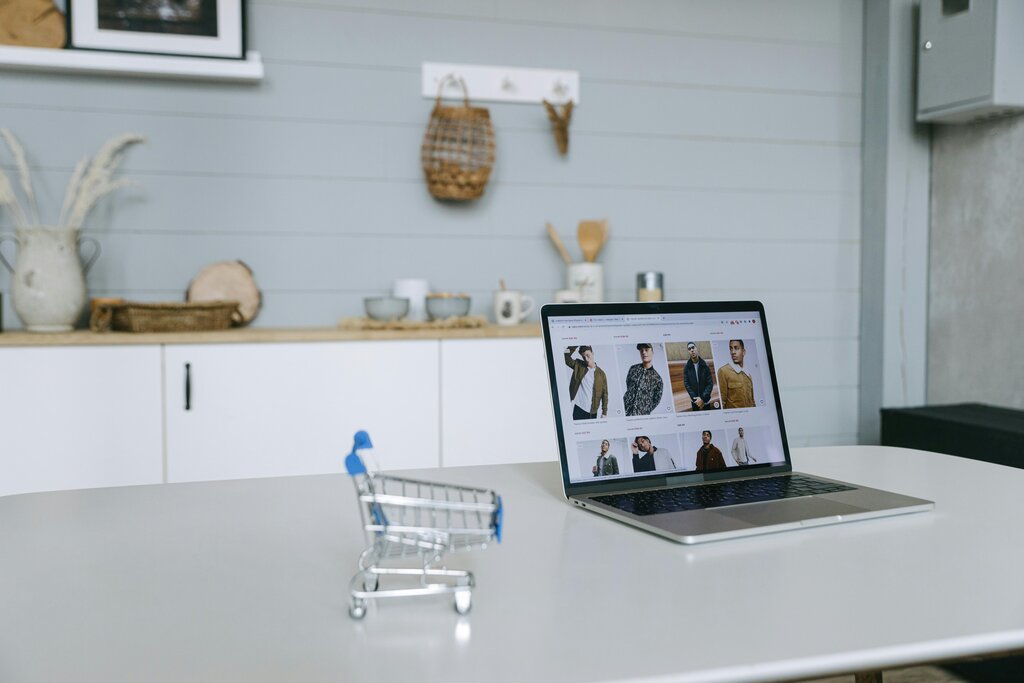
The idea isn't brand new. The first online transactions happened decades ago, but it was the rise of the World Wide Web in the 1990s that truly set the stage. Since then, e-commerce has grown from a niche market into a massive part of the global economy. It allows a small local artisan to sell their crafts worldwide and lets global brands reach customers in new regions.
This shift has fundamentally changed how we shop and how businesses operate. It offers convenience for customers and opens up vast new markets for sellers, making it a powerful engine for economic activity.
Three Main Models
E-commerce isn't a one-size-fits-all concept. Transactions can happen between different types of parties. Understanding these models helps clarify who is selling to whom. The three most common models are Business-to-Consumer (B2C), Business-to-Business (B2B), and Consumer-to-Consumer (C2C).
Let's break down what each one means.
Business-to-Consumer (B2C) is the most familiar model. It's when a business sells directly to an individual customer. Think of your favorite clothing brand, electronics store, or online supermarket. You are the consumer, and they are the business.
Business-to-Business (B2B) involves companies selling products or services to other companies. This is a huge market, even if it's less visible to the average person. Examples include a software company selling project management tools to other businesses, or a manufacturer selling components to another manufacturer.
Consumer-to-Consumer (C2C) happens when individuals sell to other individuals. Online marketplaces like eBay or Etsy are classic examples. These platforms facilitate transactions where one person sells a used camera or a handmade scarf to another person.
Here is a simple table to summarize the key differences.
| Model | Seller | Buyer | Example |
|---|---|---|---|
| B2C | Business | Consumer | Buying a new phone from Apple's website. |
| B2B | Business | Business | A construction company buying steel from a supplier. |
| C2C | Consumer | Consumer | Selling your old video games on an online marketplace. |
Each model has its own way of operating, but they all rely on the same fundamental idea: using the internet to connect sellers with buyers. Now let's test your understanding of these concepts.
Which of the following best defines e-commerce?
What technological development was most critical for the massive growth of e-commerce in the 1990s?
Understanding these basic models is the first step to seeing the full picture of how e-commerce works.