E-commerce Essentials
Introduction to E-commerce
What Is E-commerce?
E-commerce, short for electronic commerce, is the buying and selling of goods or services using the internet. It also involves the transfer of money and data to execute these transactions. Think about the last time you ordered food, bought a concert ticket, or streamed a movie online. All of these are examples of e-commerce.
At its core, e-commerce is simply commerce accelerated and expanded by technology.
In the modern economy, its significance is massive. It has fundamentally changed how businesses operate and how we, as consumers, shop. Brick-and-mortar stores are no longer the only option. Businesses can now reach a global audience without the need for a physical presence in every city. This shift has opened up new markets, created new business models, and given consumers unprecedented choice and convenience.
A Brief History
While it feels like a recent phenomenon, the roots of e-commerce go back to the 1960s with the development of early electronic data interchange (EDI) systems that allowed companies to share business documents electronically. However, e-commerce as we know it began to take shape with the dawn of the public internet.
The 1990s were a pivotal decade. In 1994, one of the first known secure online transactions occurred: a Sting CD sold through a website called NetMarket. Soon after, companies like Amazon (initially an online bookstore) and eBay (an auction site) launched, laying the groundwork for the online retail boom. The dot-com bubble of the late 90s saw a surge of investment and innovation, and while many companies failed, the ones that survived helped define the future of online shopping.
Types of E-commerce Models
E-commerce isn't a one-size-fits-all concept. Transactions can happen between different types of parties. The most common models are defined by who is selling and who is buying.
It is also important to note that Business-to-Business (B2B) and Business-to-Consumer (B2C) companies will have specific platforms that can be used for their business model.
Let's break down the four primary models:
| Model | Stands For | What It Is | Example |
|---|---|---|---|
| B2B | Business-to-Business | Businesses selling goods or services to other businesses. | A software company selling project management tools to another company. |
| B2C | Business-to-Consumer | Businesses selling goods or services directly to individual consumers. | You buying a new pair of headphones from an online electronics store. |
| C2C | Consumer-to-Consumer | Consumers selling goods or services directly to other consumers. | Selling your old bicycle to someone on a platform like eBay or Facebook Marketplace. |
| C2B | Consumer-to-Business | Consumers selling goods or services to businesses. | A freelance graphic designer selling a logo design to a company. |
B2C is the model most of us interact with daily. B2B transactions, however, often involve larger order values and more complex purchasing processes. C2C platforms have empowered individuals to become sellers, while C2B flips the traditional retail model on its head, allowing individuals to set their own prices for their services.
Global Impact
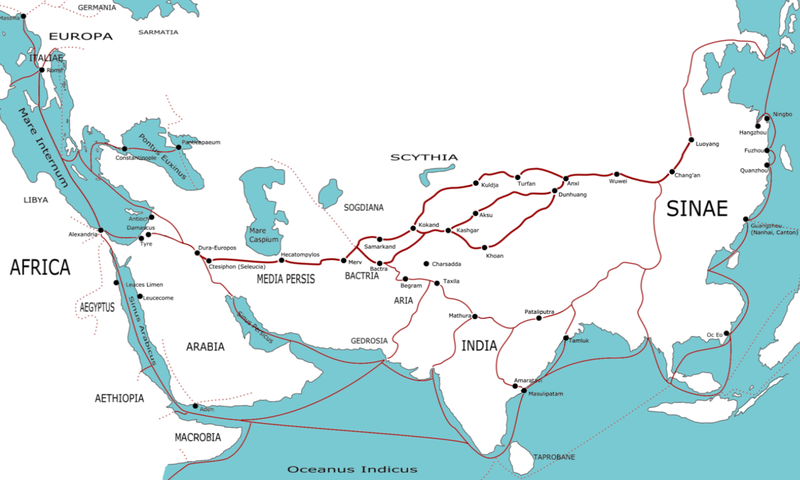
E-commerce has redrawn the map of global trade. A small artisan in a remote village can now sell their crafts to a customer on the other side of the world. This has democratized access to markets, allowing small and medium-sized enterprises to compete on a global scale. It removes geographical barriers, connecting buyers and sellers in a vast digital marketplace.
Consumer behavior has also shifted dramatically. We now expect convenience, speed, and personalization. The ability to compare prices across dozens of retailers in minutes, read reviews from other customers, and have products delivered to our doorsteps in a day or two is now the standard. This puts pressure on businesses to be more competitive, transparent, and customer-focused.
The result is a more dynamic and responsive global economy, where trends can spread instantly and consumer demand can be met with greater efficiency than ever before.
Time to review the key concepts from this section.
Ready to test your knowledge? Let's see what you've learned.
What is the primary definition of e-commerce?
When a freelance graphic designer sells a logo design to a large corporation through an online platform, which e-commerce model is being used?
Understanding these foundational models and the impact of e-commerce is the first step in mastering how modern business works online.