E-commerce Essentials
E-commerce Basics
What Is E-commerce?
E-commerce, short for electronic commerce, is simply the buying and selling of goods or services using the internet. It also includes the transfer of money and data to execute these transactions.
It might seem like online shopping has been around forever, but it's a relatively recent phenomenon. The early internet was not built for commerce. It was a space for information sharing among academics and researchers. But as technology evolved in the 1990s and early 2000s, businesses began to see the potential of a global digital marketplace. The first online sales were clunky and slow, a far cry from the one-click ordering we know today.
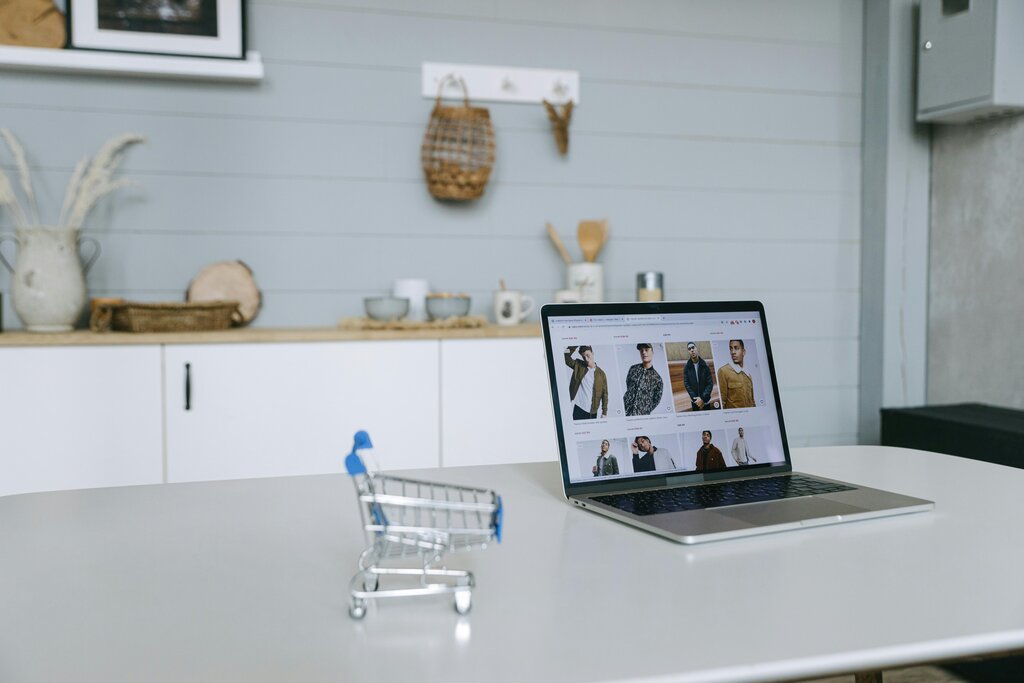
Today, e-commerce is a cornerstone of the global economy. It allows a small artisan in a remote village to sell their crafts to a customer halfway across the world. It gives consumers access to a nearly infinite selection of products, far beyond what any physical store could hold. This shift has fundamentally changed how we shop, how businesses operate, and how economies grow.
E-commerce breaks down geographical barriers, allowing businesses to reach a worldwide audience.
The Four Main Models
Not all e-commerce is the same. Transactions can happen between different types of parties. Understanding these models is key to seeing the bigger picture of online business. Most e-commerce falls into one of four main categories.
| Model | Stands For | What it is | Example |
|---|---|---|---|
| B2C | Business-to-Consumer | A business sells products or services directly to an individual customer. | Buying a pair of headphones from an online retailer like Amazon. |
| B2B | Business-to-Business | A business sells products or services to another business. | A construction company purchasing steel beams from a manufacturer's portal. |
| C2C | Consumer-to-Consumer | An individual sells a product or service to another individual. | Selling a used bicycle on a platform like eBay or Facebook Marketplace. |
| D2C | Direct-to-Consumer | A brand sells its own products directly to customers, bypassing retailers. | Buying eyeglasses directly from Warby Parker's website. |
Let's look a little closer at each of these.
Business-to-Consumer (B2C) is the model you're probably most familiar with. It’s the digital version of a traditional retail store. When you order a pizza, buy clothes, or subscribe to a streaming service online, you're participating in B2C e-commerce.
Business-to-Business (B2B) involves transactions between two companies. This is a massive part of the e-commerce world, though it's less visible to the average consumer. Think of a restaurant ordering ingredients from a wholesale food supplier online, or a software company selling a project management tool to another firm.
Consumer-to-Consumer (C2C) is a model where individuals trade with each other. Online marketplaces like Etsy, eBay, and Craigslist created platforms for these transactions to happen safely and efficiently. The platform acts as an intermediary, connecting buyers and sellers and often handling the payment process.
Direct-to-Consumer (D2C) is a newer model that has gained huge popularity. Brands that manufacture their own products choose to sell them directly to their customers through their own websites, cutting out wholesalers and retailers. This gives them full control over their brand message, customer experience, and pricing.
Benefits and Challenges
The rise of e-commerce brings a powerful set of advantages for both businesses and consumers. But it's not without its difficulties.
For businesses, the primary benefit is access to a global market. A small shop is no longer limited to customers in its own neighborhood. They can also operate with lower overhead costs since they don't need a physical storefront in a prime location.
For consumers, the benefits are convenience and choice. You can shop 24/7 from anywhere, compare prices instantly, and access a vast inventory of goods from all over the world.
However, e-commerce also presents challenges. The competition is fierce. Because the barrier to entry is low, new online stores pop up constantly, making it hard to stand out. Gaining customer trust is another hurdle. Without face-to-face interaction, businesses must work harder to build credibility.
Logistics and security are also major concerns. Getting a product from a warehouse to a customer's doorstep quickly and affordably is a complex operation. And with every transaction involving sensitive data, protecting customer information from security breaches is a constant battle.
Which of the following scenarios best exemplifies the Business-to-Business (B2B) e-commerce model?
What is the primary advantage of the Direct-to-Consumer (D2C) model for a brand?
E-commerce has reshaped the way the world does business, offering incredible opportunities alongside new challenges. By understanding its basic models and dynamics, you can better navigate the modern digital marketplace.