E-commerce Empire Masterclass
Scaling Strategic Operations
Beyond the Founder's Touch
Early success in e-commerce often runs on pure hustle. The founder sources the product, writes the copy, packs the boxes, and answers every customer email. This hands-on approach builds the initial momentum, but it has a ceiling. True scale happens when you transition from founder-led grit to operations-led growth.
This shift isn't about working harder. It's about building a machine. The goal is to create systems and processes that can handle increasing volume without the business breaking down or relying on one person's heroic efforts. Growth means adding revenue, while scaling means adding revenue at a much faster rate than you add costs.
Fundamentally, the core strategy behind successful scaling is implementing systems.
When a founder becomes the bottleneck, everything slows down. Orders get delayed, customer service suffers, and strategic opportunities are missed because you're too busy putting out fires. Moving to an operations-led model means documenting processes, delegating responsibility, and leveraging technology to automate repetitive tasks. It’s the critical step that frees you up to focus on the big picture: steering the ship instead of rowing it.
Finding Your Next Winner
That first winning product might have been a stroke of luck or a gut feeling. Scaling a brand requires a more reliable method. You need a repeatable process for identifying high-potential products, one that relies on data, not intuition.
Data-driven product selection involves analyzing market trends, search volumes, and competitive gaps to forecast demand. Instead of asking, "What do I think will sell?" you start asking, "What does the data show people are actively looking for?" This approach minimizes risk and ensures you're investing in inventory with a proven appetite.
| Metric | Product A (Smart Mug) | Product B (Weighted Blanket) | Product C (Portable Blender) |
|---|---|---|---|
| Monthly Search Volume | 80,000 | 250,000 | 150,000 |
| Competition Level | Medium | High | Medium |
| Average Landed Cost | $18 | $35 | $15 |
| Potential Sale Price | $50 | $80 | $40 |
| Potential Margin | $32 | $45 | $25 |
The table above shows a simplified analysis. While the weighted blanket has the highest search volume and potential margin, its high competition could make customer acquisition expensive. The smart mug, however, hits a sweet spot of solid demand, reasonable competition, and a strong margin, making it a compelling candidate for a scalable product line.
Charting the Competitive Landscape
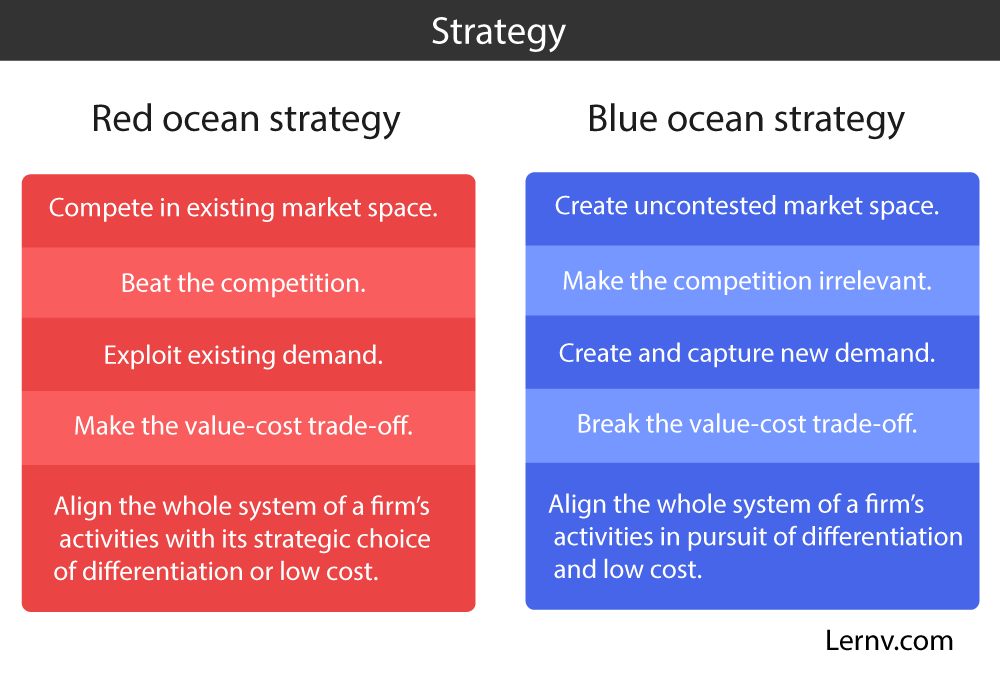
Once you have potential products, you need to understand the market you're entering. Competitive benchmarking is about more than just looking at your rivals' prices. It’s a deep dive into their entire operation to find your strategic advantage.
Analyze their marketing channels. Where are they acquiring customers? Are they dominant on social media, or are they investing heavily in search ads? Look at their customer reviews to identify common complaints—these are opportunities for you to create a better product or a superior customer experience.
Examine their fulfillment strategy. Do they offer free two-day shipping? This sets a baseline for customer expectations. Understanding their operational strengths and weaknesses allows you to position your brand to win. You might compete on price, quality, shipping speed, or customer service, but that decision must be informed by a clear picture of the landscape.
Syncing Ad Spend and Stock Levels
The fastest way to destroy customer trust is to take their money for a product you can't ship. A successful marketing campaign that drives a flood of sales is a disaster if your inventory can't keep up. Scaling requires a tight alignment between your marketing efforts and your operational capacity.
This means your marketing team can't operate in a silo. They need real-time visibility into inventory levels. Before launching a major promotion or scaling up ad spend, you must answer a critical question: can we fulfill the resulting orders?
This involves creating a feedback loop between sales data, inventory counts, and supply chain lead times. Use your sales velocity (the rate at which you sell a product) to forecast future demand and set reorder points. If you know it takes your supplier 30 days to deliver more stock, you need to place a new order when you still have enough inventory to cover at least 30 days of projected sales. This prevents stockouts and ensures your growth is both rapid and sustainable.
Without this synchronization, you're just pouring fuel on a fire you can't control. With it, you build a resilient e-commerce engine poised for market leadership.
What is the primary goal of shifting from a founder-led to an operations-led model in e-commerce?
According to the provided text, what is the key difference between 'growth' and 'scaling'?
Scaling an e-commerce operation is a shift in mindset from doing everything yourself to building systems that do the work for you. It's about making smart, data-informed decisions that create a foundation for sustainable, long-term growth.