E-commerce Customer Flow Fundamentals
Introduction to E-commerce Customer Flows
Guiding the Customer Journey
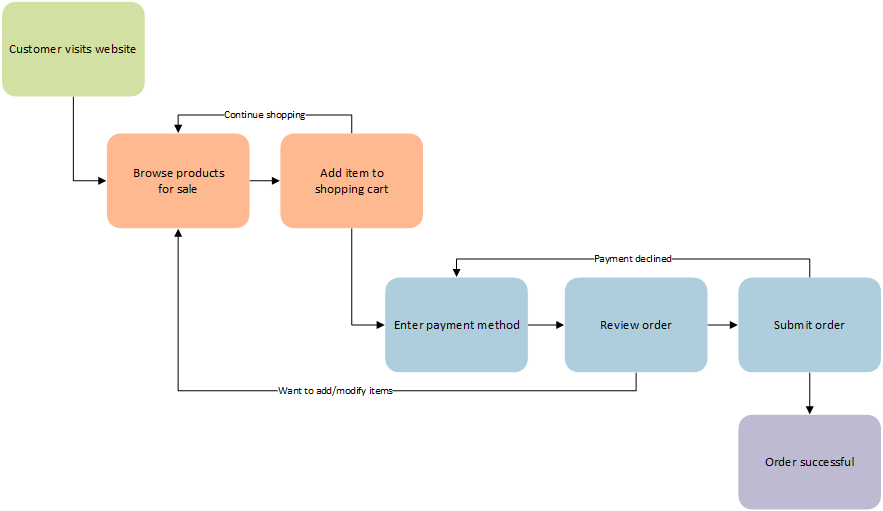
Think of an online store not just as a place to buy things, but as a path. Every visitor takes a journey, starting from the moment they land on your site to the final click of the “buy now” button and beyond. A customer flow is a series of automated messages that guide them along this path, making the trip smooth, personal, and helpful.
A seamless, easy-to-navigate website encourages visitors to explore, stay longer, and eventually make a purchase.
These flows aren't random. They're triggered by specific actions a customer takes, like signing up for a newsletter, adding an item to their cart, or making a purchase. By automating these communications, you can send the right message at the right time, making each customer feel personally attended to. This builds trust and makes the entire shopping experience better.
The Four Essential Flows
While you can create flows for almost any interaction, four are fundamental for nearly every e-commerce business. Mastering them is the first step toward building stronger customer relationships and driving consistent sales.
The Welcome Flow: Your First Impression
This is your digital handshake. The welcome flow triggers when someone new subscribes to your email list or creates an account. It's your chance to introduce your brand, share what makes you unique, and maybe offer a small discount to encourage that first purchase. A great welcome series makes a new subscriber feel like they've joined a community, not just a mailing list.
The Abandoned Cart Flow: The Gentle Nudge
Life is full of distractions. A customer might add items to their cart and then get pulled away by a phone call or a wandering thought. The abandoned cart flow is a crucial reminder. It automatically sends a message to customers who leave items behind, gently nudging them to complete their purchase. It's one of the most effective ways to recover potentially lost sales.
Automated follow-ups based on user behavior, such as abandoned carts or viewed pages, help re-engage potential customers at critical moments.
The Post-Purchase Flow: The Thank You
The journey doesn't end at checkout. The post-purchase flow begins right after a customer buys something. It starts with a simple thank you and order confirmation, but it can do so much more. This is your opportunity to provide shipping updates, ask for a review, or suggest related products. It reassures the customer they made a good choice and keeps them engaged with your brand, paving the way for future purchases.
The Winback Flow: The Second Chance
Sometimes, customers just drift away. A winback flow is designed to re-engage those who haven't purchased from you in a while. It's a friendly message that says, "Hey, we miss you!" Often paired with an exclusive offer, this flow works to remind past customers why they shopped with you in the first place and encourages them to come back for another look.
Why Flows Matter
Optimized customer flows are more than just a marketing tactic. They are a core part of the customer experience. By anticipating a customer's needs and communicating with them at key moments, you create a journey that feels personal and effortless. This not only boosts immediate sales but also builds the kind of loyalty that turns one-time buyers into lifelong fans.
What is the primary function of a customer flow in e-commerce?
A customer adds a product to their cart but leaves the website without buying. Which flow is specifically designed to address this situation?
In the upcoming sections, we'll dive deeper into how to build and refine each of these essential flows.