E-commerce Billing Essentials
Introduction to E-commerce Billing
How Online Stores Get Paid
E-commerce billing is the process businesses use to charge customers for goods and services sold online. Think of it as the digital version of a checkout counter. It’s not just about collecting money; it’s a system that ensures payments are requested, processed, and recorded correctly. Without a solid billing system, an online business can't reliably turn clicks into cash.
This system is the financial backbone of any online store. It handles everything from sending a bill to confirming the money is in the bank. A smooth billing process creates trust with customers and provides the business with a predictable flow of income.
The Core Components
Every billing system, no matter how simple or complex, is built on three key pillars: invoicing, payment processing, and revenue recognition.
Invoice
noun
A detailed list of goods sold or services provided, along with the statement of the sum due for these; a bill.
An invoice is the official request for payment. For an online purchase, this is often the order summary you see before you click "buy." It itemizes what you're purchasing, lists the price for each item, includes taxes and shipping costs, and shows the final total. It’s the official record of the transaction for both the buyer and the seller.
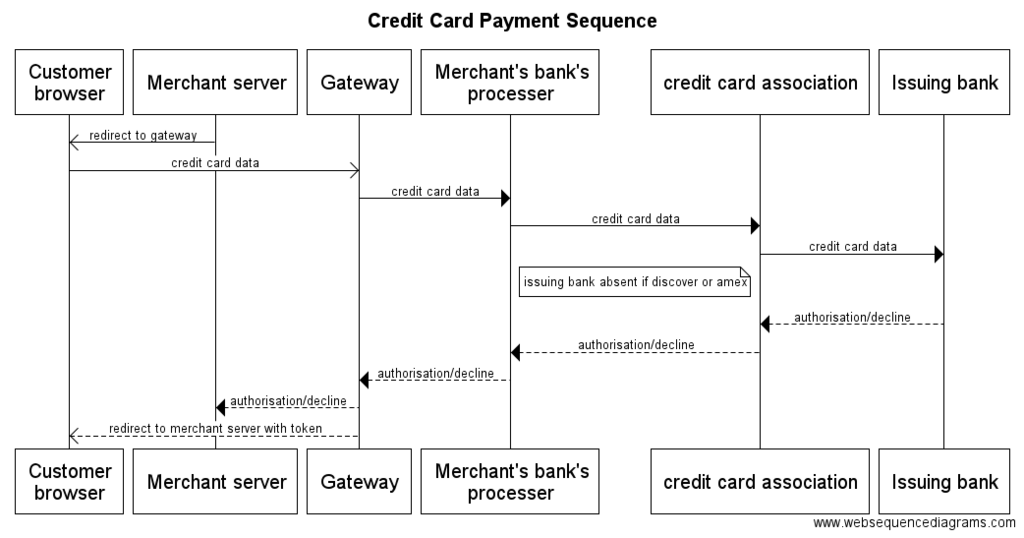
Payment processing is the magic that happens behind the scenes. It's the secure system that takes a customer's payment details, like a credit card number, communicates with the banks, and moves the money from the customer's account to the business's account. This involves multiple parties, including payment gateways and processors, working together to ensure the transaction is secure and successful.
Finally, revenue recognition is an accounting principle that determines when a business can officially count the money it has received as earned income. For a simple t-shirt sale, the revenue is recognized as soon as the shirt is shipped. But for a year-long magazine subscription, the business recognizes the revenue in monthly increments, not all at once. This ensures the company's financial records accurately reflect the value it has delivered over time.
Common Billing Models
Online businesses use different models to charge customers, depending on what they sell. The three most common models are one-time purchases, subscriptions, and usage-based billing.
One-Time Purchases: This is the most straightforward model. A customer picks an item, pays for it once, and owns it. Think of buying a book, a pair of shoes, or a digital movie from an online store. The transaction is simple and happens just once.
Subscriptions involve recurring payments for ongoing access to a product or service. The customer pays a set amount on a regular schedule, like weekly, monthly, or yearly. This model is popular for streaming services like Netflix, software like Adobe Photoshop, and subscription boxes that deliver physical goods.
Implement recurring billing models and create multiple revenue streams for financial stability
Usage-Based Billing, also known as a pay-as-you-go model, charges customers based on how much they use a service. Your electricity bill is a classic real-world example. In the digital world, cloud computing services charge based on the amount of data stored or processing power used. Some mobile phone plans also use this model, charging for data by the gigabyte.
Now that you understand the basic parts of e-commerce billing, let's review the key terms.
Ready to test your knowledge? Give these questions a try.
What are the three key pillars of any e-commerce billing system?
A cloud computing service charges its customers based on the amount of data they store each month. Which billing model is this an example of?
Understanding these foundational concepts is the first step. Each component and model serves as a building block for creating a reliable and effective system for handling money in the world of online commerce.