DynamoDB Essentials
Introduction to NoSQL
Beyond Rows and Columns
For decades, relational databases were the undisputed king of data storage. They work like a meticulously organized spreadsheet, with data neatly arranged in tables with rows and columns. Every piece of information has a specific place, and the relationships between tables are strictly defined. This structure, often called a schema, is powerful but rigid. You have to define it upfront, and changing it later can be a major headache.
Then the internet exploded. Suddenly, we had massive amounts of data coming from websites, mobile apps, and social media. This data wasn't always neat and tidy. It was often unstructured or changed rapidly. Trying to force this modern, messy data into the strict tables of a relational database was like trying to fit a square peg in a round hole. A new approach was needed.
NoSQL databases emerged to handle the huge volume, variety, and velocity of data that traditional databases weren't built for. The name "NoSQL" is a bit misleading. It's often interpreted as "Not Only SQL," meaning it provides a different model for storing data, not necessarily abandoning the principles of structured query languages entirely.
Instead of a single, one-size-fits-all approach, NoSQL is a family of different database types, each with its own strengths:
- Document Databases: Store data in flexible, JSON-like documents. Think of each document as a self-contained record with all its related information, perfect for things like user profiles or product catalogs.
- Key-Value Stores: The simplest type. Data is stored as a collection of key-value pairs. It's incredibly fast for retrieving a value when you know its key, like for caching session data for a website.
- Wide-Column Stores: Organize data into columns instead of rows. This is great for analyzing huge datasets, like logs or time-series data from sensors.
- Graph Databases: Focus on the relationships between data points. They use nodes and edges to represent connections, making them ideal for social networks, fraud detection, and recommendation engines.
A Tale of Two Databases
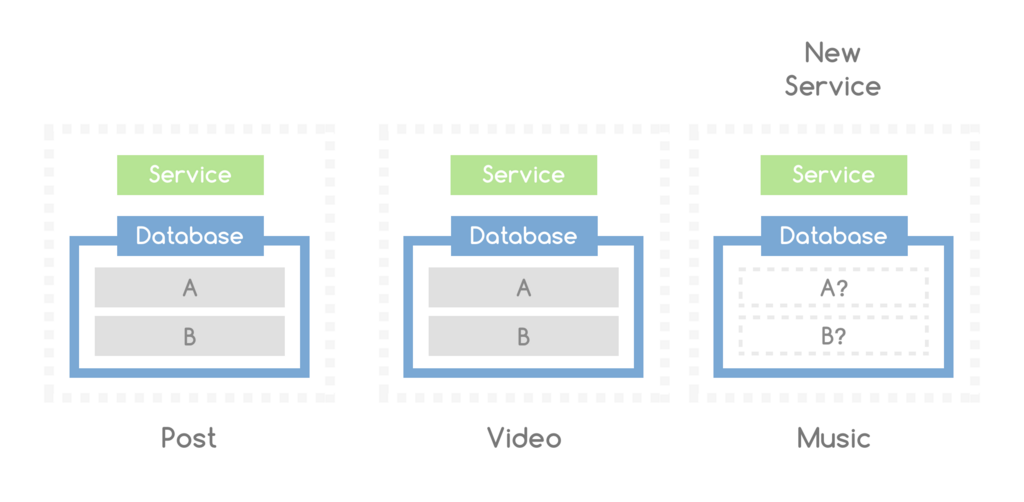
The fundamental difference between SQL (relational) and NoSQL databases lies in their structure and how they scale. Relational databases enforce a strict schema before you can add any data. NoSQL databases are schema-flexible, allowing you to store varied types of data and evolve your data structure over time without major disruptions.
| Feature | SQL (Relational) | NoSQL (Non-Relational) |
|---|---|---|
| Data Structure | Tables with rows and columns | Documents, key-value pairs, graphs, etc. |
| Schema | Pre-defined and rigid | Dynamic and flexible |
| Scalability | Vertically (increase server power) | Horizontally (add more servers) |
| Data Integrity | High (ACID properties) | Eventual consistency is common |
| Best For | Structured data, complex queries | Large volumes of unstructured data |
Think about scalability. To handle more traffic, a relational database typically requires vertical scaling—you buy a bigger, more powerful server. A NoSQL database is designed for horizontal scaling, where you just add more commodity servers to a cluster. This approach is often more cost-effective and resilient for handling internet-scale workloads.
Postgres and MongoDB represent not only different database providers, but different kinds of database structures – relational (SQL) vs non-relational (NoSQL) – and it’s useful to be familiar with both.
When NoSQL Shines
The flexibility and scalability of NoSQL databases make them a perfect fit for a variety of modern applications.
Big Data and Real-Time Analytics: When you need to ingest and process massive streams of data from sources like IoT devices, user activity logs, or social media feeds, NoSQL can handle the load without breaking a sweat.
Content Management: The document model is ideal for storing varied content like articles, images, and user comments. The schema can evolve as new features are added to an application.
E-commerce: Online stores need to manage vast product catalogs and handle fluctuating traffic, especially during sales. NoSQL databases can scale to meet demand and their flexible data models can easily accommodate different product attributes.
Mobile and Gaming Apps: These applications often need to provide fast, low-latency data access to millions of users simultaneously. The performance and horizontal scalability of NoSQL are critical for creating a smooth user experience.
Time to check your understanding of these core concepts.
What is the primary difference between how relational (SQL) and NoSQL databases handle data structure?
A company is building a social media app and needs to efficiently map user friendships, followers, and connections. Which type of NoSQL database is specifically designed for this purpose?
NoSQL databases provide a powerful alternative for building modern, scalable applications. By understanding their core characteristics, you're better equipped to choose the right tool for the job.