Dynamics 365 Master Planning Mastery
Introduction to Master Planning
What is Master Planning?
Imagine you run a company that builds high-end bicycles. You need frames, wheels, handlebars, and dozens of other parts. If you order too many wheels, your cash is tied up in inventory that's just sitting there. If you don't order enough frames, you can't build bikes to meet customer orders, and sales are lost. It's a constant balancing act.
This is the core problem every product-based company faces: balancing supply (what you have) with demand (what you need). Master Planning in Dynamics 365 is the tool that automates this balancing act. It looks at all your current and future needs—like sales orders and demand forecasts—and compares them against your current and future supply, including on-hand inventory, purchase orders, and production orders.
At its heart, Master Planning is a calculation engine that tells you what you need to make, buy, or transfer, and when you need to do it to meet demand on time.
The system runs a complex calculation, often called an MRP (Material Requirements Planning) run, to generate a set of recommendations. These are called planned orders. A planned order is just a suggestion from the system. It might suggest you create a purchase order for more handlebars or a production order to assemble ten more bikes. It’s up to a human planner to review these suggestions and turn them into real orders.
The Three Pillars of Planning
Master Planning coordinates three critical areas of your business to ensure everything runs smoothly. Think of it as a central hub that connects your warehouse, your factory floor, and your purchasing department.
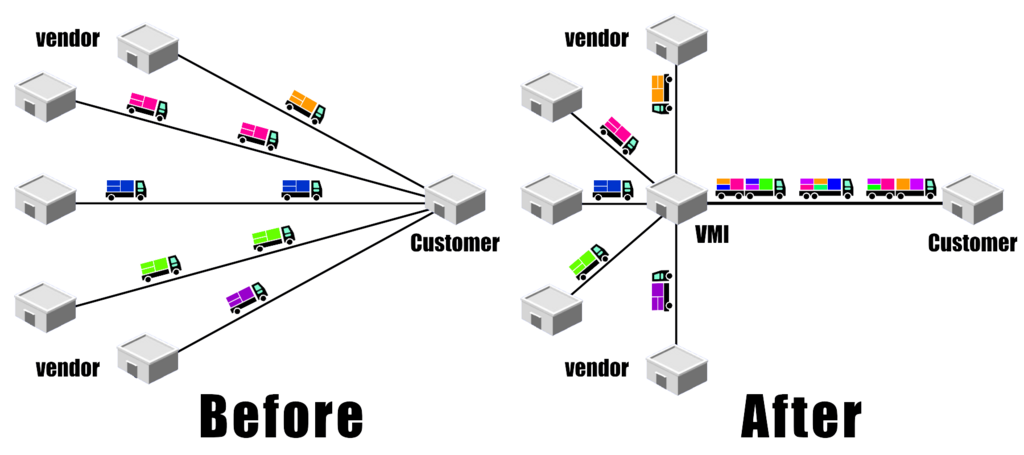
1. Inventory Management
This is about keeping the right amount of stock. Too much inventory is expensive, but too little leads to stockouts and unhappy customers. Master Planning helps you find the sweet spot. It calculates exactly how much of each item you need to keep on hand, triggering replenishment orders only when necessary. This practice, often called "just-in-time" inventory, minimizes waste and frees up capital.
2. Production Scheduling
For companies that manufacture goods, Master Planning creates a feasible production schedule. It looks at the bill of materials (the recipe for your product) and the production routes (the steps to build it). It then tells you what to build, how many to build, and the exact dates you need to start and finish to meet your deadlines. It ensures that you have all the necessary components before production begins, preventing delays on the factory floor.
3. Procurement
This pillar focuses on purchasing raw materials or finished goods from suppliers. Master Planning generates planned purchase orders to ensure materials arrive just when they are needed for production or for fulfilling a sales order. It considers supplier lead times so you're not ordering parts too early or, even worse, too late.
Why Bother?
Implementing a system like Master Planning might seem complex, but the benefits are significant. It brings a level of precision and foresight to your supply chain that's impossible to achieve with spreadsheets or guesswork.
Planning is considered the nerve center of supply chain management.
By optimizing your operations, you can reduce inventory costs, prevent costly production delays, and improve on-time delivery to customers. This leads to better efficiency, lower costs, and happier customers who get what they want, when they want it. It transforms your supply chain from a reactive part of the business into a proactive, strategic advantage.
What is the primary function of Master Planning in a supply chain?
What is the direct output of a Master Planning (MRP) run?