Dynamic Slide Decks That Engage
Understanding Audience Needs
Before the First Slide
The most important part of creating a presentation happens before you even think about fonts or colors. It’s about the people who will be watching. A brilliant talk for a room full of experts can be a confusing mess for beginners. A funny, informal pitch might fall flat in a formal boardroom. The message is only effective if it’s tailored to the ears that will hear it.
Understanding your audience is the cornerstone of any effective presentation.
Think of it like being a detective. Your job is to gather clues about your audience to build a profile. This profile will guide every decision you make, from the stories you tell to the data you present.
Who Are They, Really?
To understand your audience, you need to look at two types of information: demographics and psychographics. They sound complex, but the ideas are simple.
Demographics are the basic, factual details about a group. This includes things like age, job title, industry, and level of education. It’s the “who” in your audience analysis. Knowing this helps you choose relevant examples and avoid jargon they won't understand.
Psychographics dig deeper. This is the “why” behind their thinking. It covers their values, beliefs, interests, and challenges. What are their goals? What problems are they trying to solve? Understanding their mindset allows you to connect with them on a more personal level.
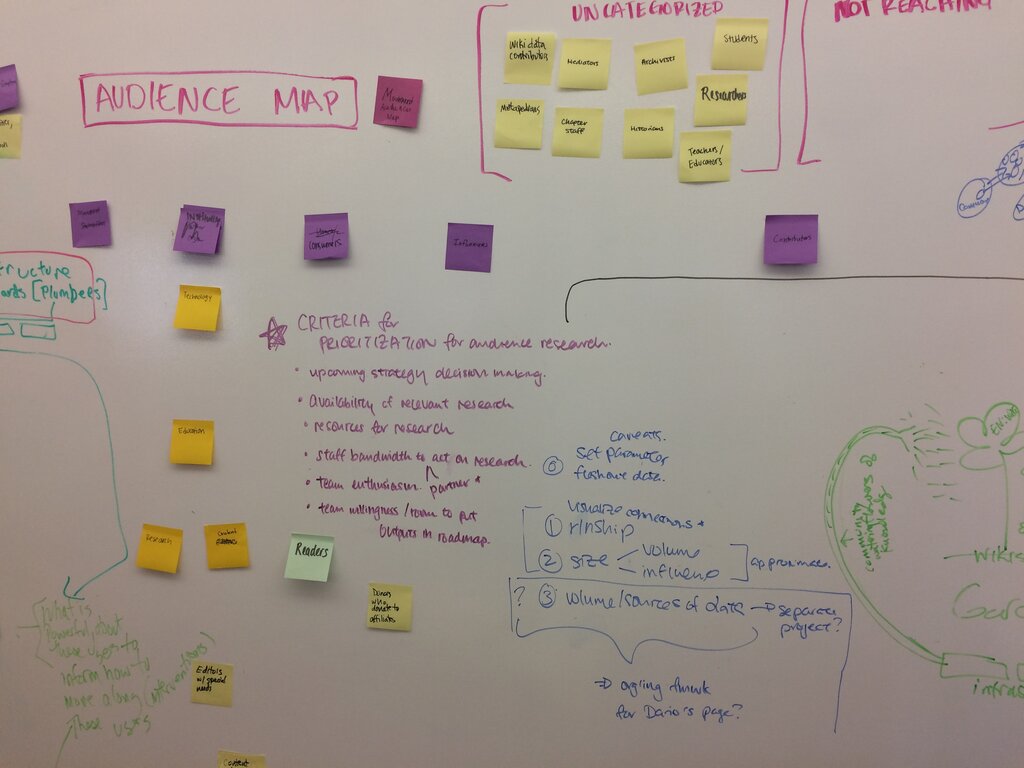
For example, if you're presenting a new software tool, the demographic data tells you that your audience is made up of project managers. The psychographic data tells you they're stressed about deadlines and value efficiency above all else. With this knowledge, you won't waste time on the software's cool design; you'll focus entirely on how it saves them time and helps them meet their goals.
Knowledge and Expectations
Once you know who your audience is, you need to figure out what they already know and what they expect from you. There's nothing worse than boring an audience with information they already have, or confusing them with concepts that are too advanced.
Your goal is to start the conversation just one step ahead of where they are.
Consider their level of expertise on your topic. Are they novices, generalists with some knowledge, or experts? Each group needs a different approach.
| Audience Level | Your Approach |
|---|---|
| Novice | Define all key terms. Use simple analogies. Focus on the big picture. |
| Generalist | Briefly review basics. Connect the topic to their existing knowledge. |
| Expert | Skip the fundamentals. Dive into new data, complex ideas, and nuances. |
Just as important are their expectations. Why are they here? Did they come to be persuaded, to learn a new skill, or to get a status update on a project? If you promise a deep dive into financial projections and instead deliver a high-level marketing overview, you'll lose them. The key is to align your presentation's objective with theirs.
How to Gather Intel
Audience analysis doesn't have to be guesswork. There are practical ways to gather the information you need.
-
Ask Directly: If possible, talk to a few audience members before your presentation. Send out a simple one-question survey. Ask the event organizer who will be in the room and what their main challenges are.
-
Observe Indirectly: Look at the company’s website or the LinkedIn profiles of a few attendees. This can give you clues about their industry, roles, and priorities.
-
Make Educated Inferences: Based on the event's theme or the nature of the meeting, you can make some reasonable assumptions. A presentation at a tech conference will have a different audience than a quarterly review for the sales team. Use context clues to fill in the gaps.
Transitioning into our quiz, let's see how well you've grasped the essentials of audience analysis. This will help reinforce the key concepts we've covered.
When analyzing your audience, which of the following is an example of psychographic information?
You are preparing a presentation on a new time-management app for a group of freelance artists. Your initial analysis shows they value creative freedom and dislike rigid schedules. Which approach should you take?
Knowing your audience is the first and most critical step. With a clear picture of who you're talking to, you're ready to build a presentation that truly connects.