Dynamic Slide Deck Design
Understanding Audience Needs
Who Are You Talking To?
Before you write a single word or choose a single image for your presentation, you need to answer one question: Who is my audience? It’s the most important question, and forgetting to ask it is the fastest way to lose a room.
Imagine a scientist giving a talk on quantum mechanics. To a group of fellow physicists, she can use dense jargon and complex equations. But if she gives the exact same talk at a high school, she’ll be met with blank stares. The topic is the same, but the audience is completely different. A great presentation isn't about showing how much you know; it's about connecting your knowledge to your audience's world.
This process of understanding your listeners is called audience analysis. Think of it like being a detective. You’re looking for clues about the people you'll be speaking to so you can build a presentation that truly lands.
Understanding your audience is the cornerstone of any effective presentation.
The goal is to move from a one-size-fits-all approach to a tailored experience. When you understand your audience, you can shape your message, choose relevant examples, and anticipate their questions. This is how you earn their attention and respect.
Gathering Your Clues
So, how do you actually conduct an audience analysis? You can start by gathering basic information and then dig deeper into their mindset. The first layer is demographics—the statistical data about your audience. This includes things like age, job title, and level of experience. This information helps you set a baseline for your content.
For example, if you're presenting to a group of new interns, you’ll know to avoid company-specific acronyms and explain foundational concepts. If you're speaking to senior executives, you can skip the basics and focus on high-level strategy and financial impact. Demographics give you the 'who'.
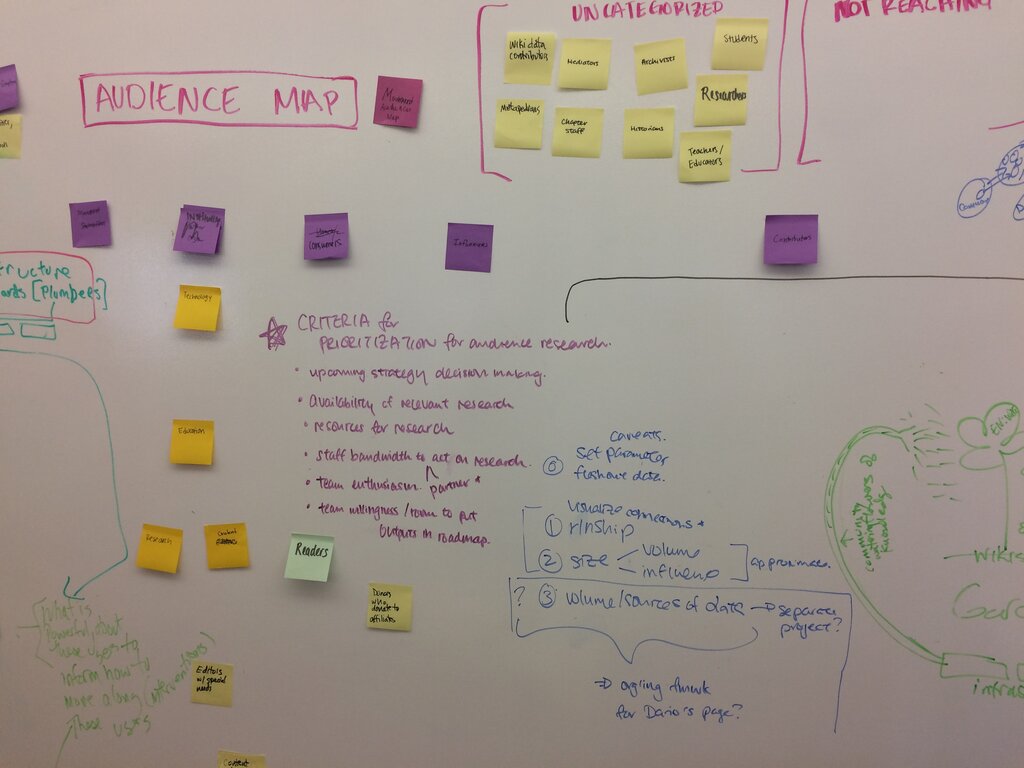
The next layer is about their knowledge and interests. What do they already know about your topic? What do they need to know? And most importantly, why should they care? Try to identify their 'pain points'—the problems or challenges they face that your presentation can help solve. People pay attention when they believe you have a solution to a problem that matters to them.
Don't be afraid to ask for this information. If you're presenting at another company, ask your contact for some background on the attendees. What are their roles? What challenges is their team currently facing? A few simple questions can provide a wealth of insight.
| Category | Key Questions to Ask |
|---|---|
| Knowledge | What do they already know about this topic? Is there any misinformation I need to correct? |
| Interests | Why are they here? What do they hope to gain from this presentation? |
| Attitudes | How do they feel about this topic? Are they excited, skeptical, or indifferent? |
| Needs | What problem can I help them solve? What information is most critical for them? |
Considering the Context
Finally, consider the context of the presentation itself. The environment and circumstances play a huge role in how your message will be received.
First, think about the setting. Is it a formal boardroom meeting or a casual team huddle? A large auditorium or a small workshop? The formality of the setting should influence your tone and style. A presentation for 300 people will feel very different from a collaborative session with five colleagues around a table.
Time constraints are another critical factor. How much time do you have? Always respect the schedule. If you have 20 minutes, you can't deliver an hour's worth of content. Planning for your allotted time forces you to be concise and focus only on the most important points. It also shows respect for your audience's time, which they will appreciate.
Also, consider what else is happening that day. Are you the first speaker of the morning when everyone is fresh, or the last speaker of a long day when people are tired? If your audience is likely to be fatigued, you'll need to work harder to keep their energy up with more interaction or a particularly compelling story.
By thinking about the audience's situation—the time, the place, and the mood—you can adapt your approach to fit the moment perfectly.
Let's test what you've learned about understanding your audience.
What is the single most important question to answer before you begin creating a presentation?
You are preparing a presentation on a new project management tool. Which of the following is the best example of analyzing the audience's 'pain points'?
Putting your audience first is a simple shift in perspective, but it makes all the difference. It's the foundation upon which every successful presentation is built.