Dynamic Slide Deck Design
Understanding Audience Needs
Start with Who
Before you write a single headline or choose a color scheme, the first step in creating a great presentation is to understand the people who will be watching it. A presentation is a conversation. If you don't know who you're talking to, you're just talking to yourself. Everything from your message to your tone should be shaped by the audience in the room.
Understanding your audience is the cornerstone of any effective presentation.
Think of it this way: You wouldn't explain a complex scientific theory to a group of fifth graders the same way you would to a panel of professional researchers. The core information might be the same, but the language, examples, and depth would be completely different. Your goal is to connect with your audience, not just broadcast information at them. To do that, you need to know who they are.
Demographics and Psychographics
To get a clear picture of your audience, you can look at two types of information: demographics and psychographics.
Demographics are the 'what' of your audience. They are statistical, factual data points that describe a group of people. This includes things like age, job title, industry, and location.
Psychographics are the 'why'. They dig deeper into the audience's mindset, exploring their values, beliefs, interests, challenges, and goals. They tell you what your audience cares about and what motivates them.
| Category | Description | Examples |
|---|---|---|
| Demographics | Factual, statistical data | Age, Job Title, Company Size, Geographic Location |
| Psychographics | Psychological traits and attitudes | Values, Interests, Pain Points, Career Goals |
Knowing that your audience is made up of marketing managers (demographic) is useful. But knowing they are struggling to prove the ROI of their campaigns (psychographic) is what allows you to truly connect. It helps you frame your message in a way that directly addresses their biggest problem.
What Do They Know and Expect
Once you have a general sense of who your audience is, you need to assess their existing knowledge. Are they complete beginners on your topic, or are they seasoned experts? There's nothing worse than sitting through a presentation that's too basic or too advanced.
- Beginners: They need foundational concepts, clear definitions, and simple examples. Avoid jargon and acronyms.
- Intermediates: They understand the basics but are looking for more nuanced insights or practical applications. You can skip the introductory material.
- Experts: They want to hear new research, advanced techniques, or a fresh perspective on a familiar topic. They'll be bored by information they already know.
Just as important are their expectations. Why did they choose to attend your presentation? Are they there to learn a new skill, get an update on a project, or be persuaded to make a decision? If you're not sure, you might be delivering a great presentation that completely misses the mark for what the audience came to achieve.
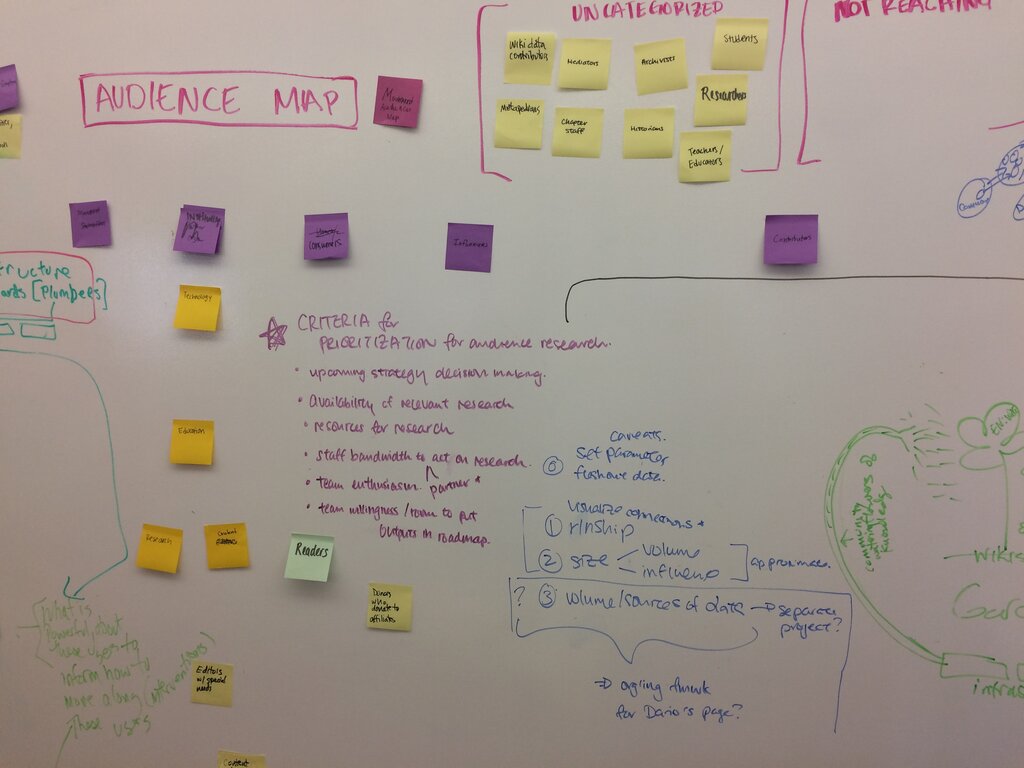
How to Analyze Your Audience
Gathering this information doesn't have to be a mystery. There are several practical ways to learn about your audience before you even step on stage.
Talk to the Organizer: If someone invited you to speak, they are your best resource. Ask them about the attendees. What are their job roles? What challenges are they facing? Why was this topic chosen for them? They can provide a wealth of information.
Send a Pre-event Survey: For workshops or smaller meetings, a simple survey can work wonders. Use a tool like Google Forms to ask a few key questions about their experience level with the topic and what they hope to learn. This gives you direct feedback from the audience themselves.
A simple survey question could be: 'On a scale of 1 to 5, how familiar are you with [your topic]?' This helps you calibrate the technical depth of your content.
Use Professional Networks: Look up some of the attendees on LinkedIn. Reviewing their profiles can give you a strong sense of their professional backgrounds, industries, and seniority levels. This can help you tailor your examples to be more relevant.
Arrive Early and Mingle: If it's a live event, show up before your presentation starts and chat with a few attendees. Ask them what they do and what brought them to the event. This informal conversation can provide last-minute insights and help you build rapport.
A little bit of research goes a long way. By taking the time to understand your audience, you move from simply presenting information to creating a valuable and memorable experience for them.