Dynamic Public Speaking for Impact
Fundamentals of Public Speaking
Why Public Speaking Matters
Public speaking isn't just about giving a TED Talk or addressing a crowd of thousands. It's a skill you use every day. When you pitch an idea in a meeting, present a project to your team, or even give a toast at a wedding, you're using public speaking. At its core, it's about communicating your ideas clearly and effectively to a group of people.
Want a leg up professionally? Need a career boost? Become a better public speaker.
Mastering this skill helps you organize your thoughts, build arguments, and share information in a way that connects with others. It's a powerful tool for influencing people and building your own confidence, both in your career and personal life.
Know Your Audience
Before you write a single word, stop and think about who you're speaking to. A great speech is never about the speaker; it's about the listener. Your message must be tailored to the people in the room.
Ask yourself a few key questions:
- What do they already know about this topic?
- What do they need to know?
- What are their interests, concerns, or goals?
- Why should they care about what I have to say?
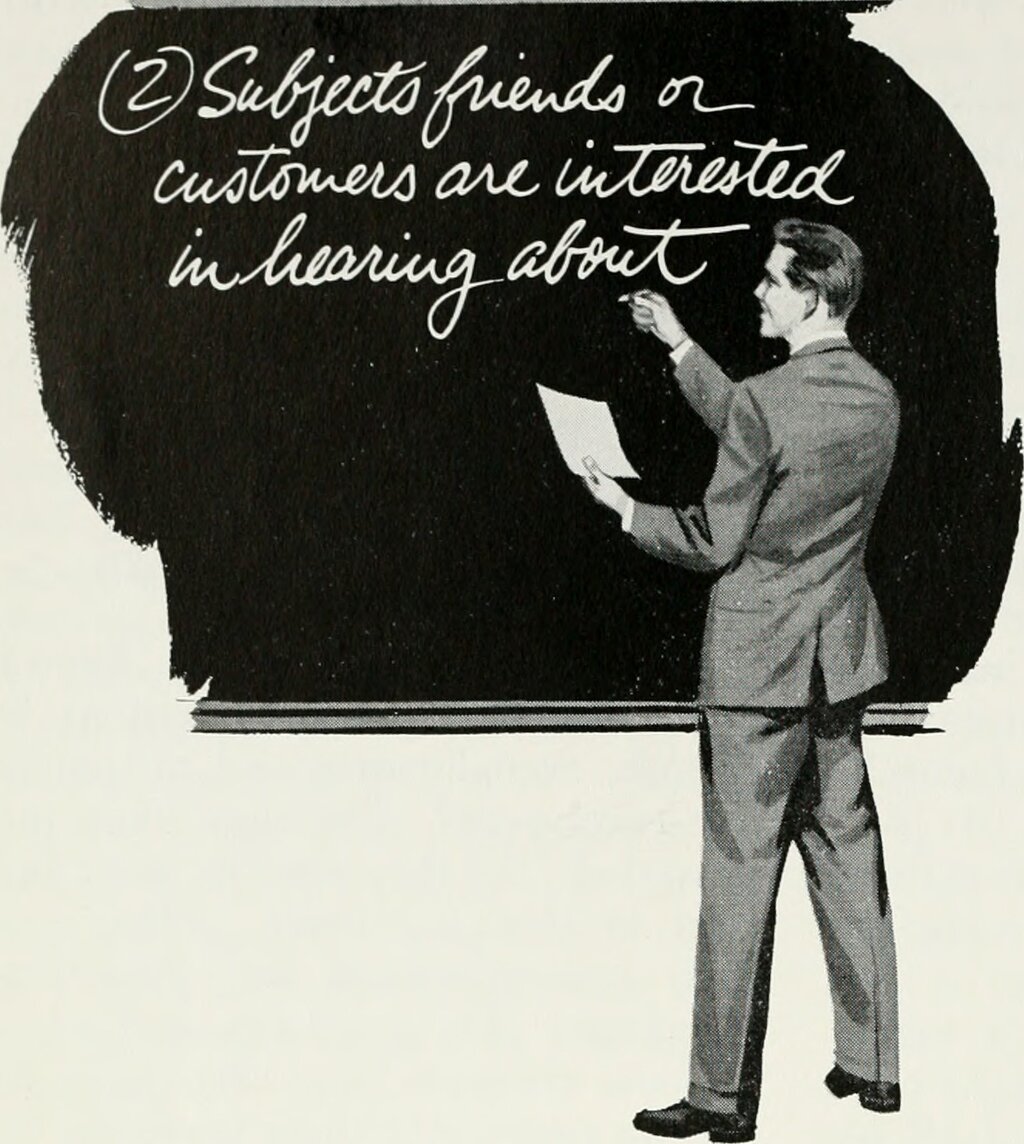
The answers to these questions will shape everything about your speech. Imagine you're explaining a new software feature. You'd use technical language and focus on efficiency for an audience of engineers. But for the sales team, you'd use simpler terms and focus on how the feature helps them sell more. Same topic, different audience, completely different speech.
Structure is Your Friend
A well-structured speech is like a clear roadmap for your listeners. It guides them from a starting point to a destination without getting lost. A rambling, disorganized talk confuses the audience and weakens your message. The most reliable structure is simple and has three parts.
| Part | Purpose |
|---|---|
| Introduction | Grab attention and clearly state your main point. |
| Body | Explain your key ideas with examples or evidence. |
| Conclusion | Summarize your message and leave a lasting impression. |
In the introduction, you need a hook, something that makes people want to listen. This could be a surprising statistic, a relatable story, or a thought-provoking question. After the hook, tell them exactly what you're going to talk about.
The body is where you deliver your main content. Don't try to cover too much. Stick to two or three main points and support each one with clear examples, data, or stories. This is the meat of your presentation.
Finally, the conclusion wraps everything up. Briefly restate your main points and end with a powerful, memorable closing statement that reinforces your core message.
Be Clear and Concise
Clarity is king in public speaking. If your audience has to struggle to understand you, you've already lost them. Use simple, direct language and avoid jargon or overly complex sentences. The goal is to communicate, not to sound impressive.
Being concise is just as important. Respect your audience's time. Cut out any words, sentences, or ideas that don't directly support your main point. Every part of your speech should have a purpose.
Think of it this way: if you can say it in ten words, don't use twenty. Short, powerful sentences often have more impact than long, winding ones.
Building Confidence
Feeling nervous before speaking is completely normal. Even experienced speakers get butterflies. The key isn't to eliminate fear, but to manage it. Confidence comes from preparation and practice.
Becoming a confident public speaker requires practice, feedback, self-awareness, and a willingness to step out of your comfort zone.
Know your material inside and out. The more you understand your topic, the less you'll have to worry about forgetting what to say. Practice your speech out loud, multiple times. Rehearse in front of a mirror, record yourself on your phone, or present to a friend. The more familiar you are with the flow and wording, the more natural and confident you will sound when it matters.
Remember to breathe. Before you start, take a few slow, deep breaths. It helps calm your nerves. And finally, focus on connecting with your audience, not on being perfect. Your goal is to share a message, and a little bit of humanity goes a long way.
Let's review the key ideas you've just learned.