Dynamic AI Playwright Scripts
Introduction to AI in Playwriting
A New Character Enters
For centuries, playwriting has been a deeply human endeavor. It’s about capturing the essence of our conflicts, joys, and absurdities on stage. But a new collaborator has walked into the writers' room: artificial intelligence. While the idea of a machine writing a play might sound like science fiction, it's quickly becoming a part of the creative landscape.
This isn't the first time technology has changed art. The invention of the printing press changed literature, and the camera transformed painting. Similarly, AI is offering new tools and raising new questions for storytellers.
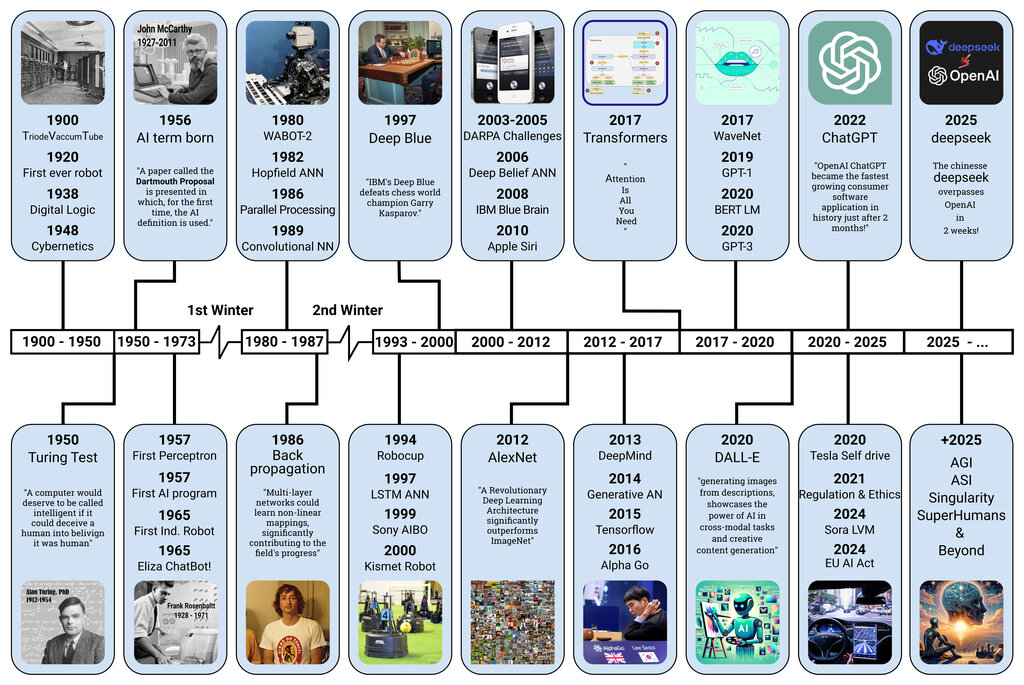
The journey of AI in creative writing didn't happen overnight. Early attempts in the mid-20th century produced text that was often disjointed and nonsensical, like a parrot repeating phrases without understanding their meaning. These early models followed simple rules and templates.
Today's AI, powered by large language models (LLMs), is vastly different. It's trained on immense amounts of text from the internet, books, and articles. This allows it to understand context, mimic styles, and generate coherent, often surprising, dialogue and stage directions. Instead of just repeating, it's now capable of creating something that feels new.
The Pros and Cons
For a playwright, staring at a blank page can be daunting. AI can act as a powerful brainstorming partner. It can generate dialogue for a tricky scene, suggest plot twists, or even create a character profile based on a few keywords. This can be a great way to overcome writer's block and explore unexpected creative avenues.
AI can help writers break out of their usual patterns and discover ideas they wouldn't have found on their own.
However, the challenges are just as significant. AI doesn't have life experiences, emotions, or a genuine understanding of the human condition. Its output can sometimes feel generic, lack subtext, or veer into absurdity. The text it creates is based on patterns it has learned, not on lived truth. A human touch is almost always necessary to shape the AI's raw material into a compelling story with authentic characters.
| Benefits of AI | Challenges of AI |
|---|---|
| Overcoming writer's block | Lacks genuine emotion |
| Generating novel ideas | Can produce generic text |
| Experimenting with styles | Requires heavy human editing |
| Automating repetitive tasks | May not understand subtext |
Ghost in the Machine
The use of AI in playwriting brings up complex ethical questions. If an AI writes a play, who gets the credit? Is it the programmer who built the AI, the writer who prompted it, or the AI itself? The lines of authorship become blurry.
There are also questions about originality and intellectual property. Since AI models are trained on existing texts, their creations can sometimes echo the works they've learned from. This raises concerns about unintentional plagiarism and the future of creative ownership.
Will AI lead to a new wave of creativity and artistry as the technical and financial barriers to creativity crumble?
These aren't just theoretical debates. As AI tools become more accessible, the theatre world has already begun to experiment, putting these questions to the test in front of a live audience.
A Robot Takes the Stage
A notable early example is the 2021 production, AI: When a Robot Writes a Play. A team of researchers in the Czech Republic prompted a language model, GPT-2, to generate a script about a robot's journey into the world. The result was a script that was about 90% AI-generated.
The final play was described as strange and fragmented, with some moments of surprising insight mixed with passages that made little sense. It served as a fascinating experiment, highlighting both the potential and the current limitations of AI as a playwright. It showed that while AI can generate the words, the human elements of curation, editing, and interpretation remain essential to create a meaningful theatrical experience.
Rather than a replacement for human playwrights, AI is emerging as a complex and sometimes unpredictable new tool. It can be a collaborator, an assistant, or a source of inspiration, pushing the boundaries of what storytelling on stage can be.