Dutasteride Explained
Introduction to Dutasteride
What Is Dutasteride?
Dutasteride is a prescription medication used primarily to treat an enlarged prostate, a common condition in aging men. It belongs to a class of drugs called 5-alpha-reductase inhibitors. While that name sounds complex, its job is quite specific: to shrink the prostate gland. To understand why that's important, we first need to look at the prostate itself.
Understanding the Prostate
The prostate is a small gland, about the size of a walnut, that is part of the male reproductive system. It sits just below the bladder and surrounds the urethra, the tube that carries urine out of the body.
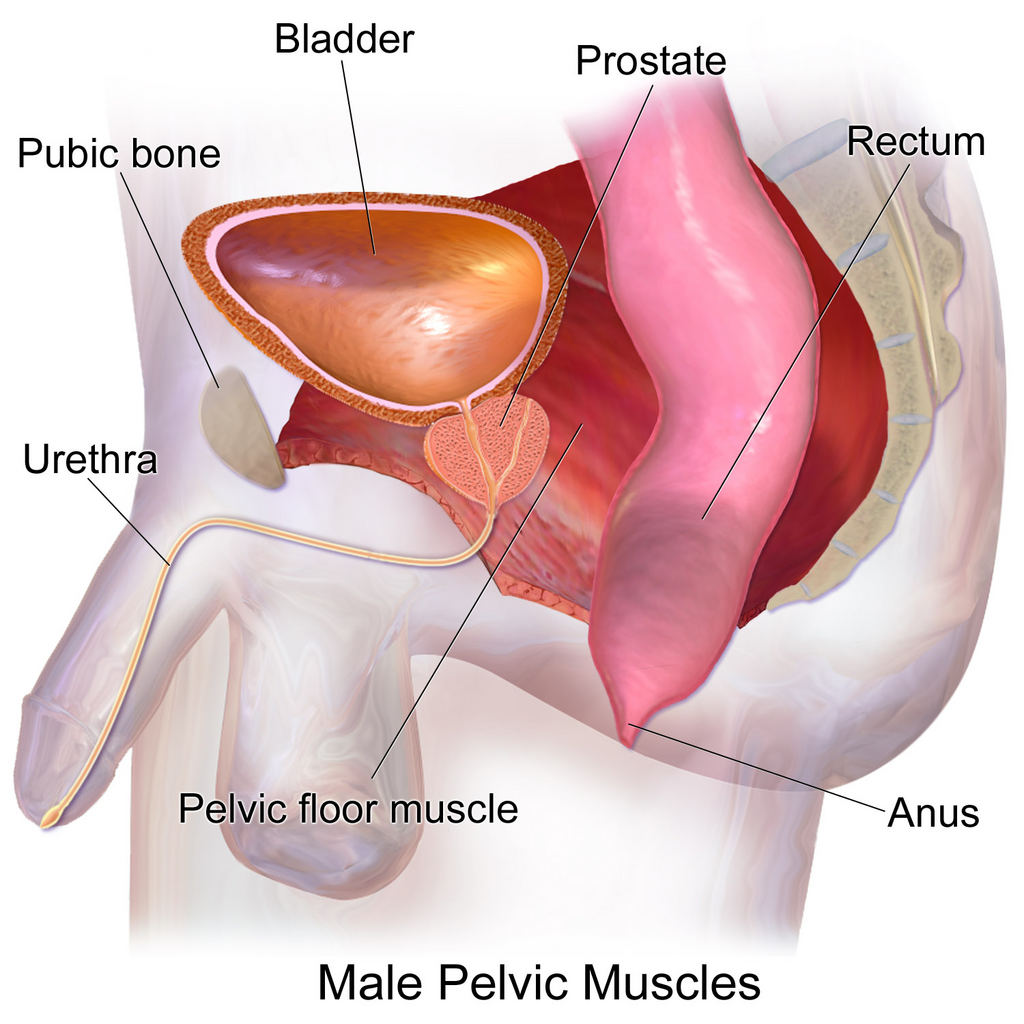
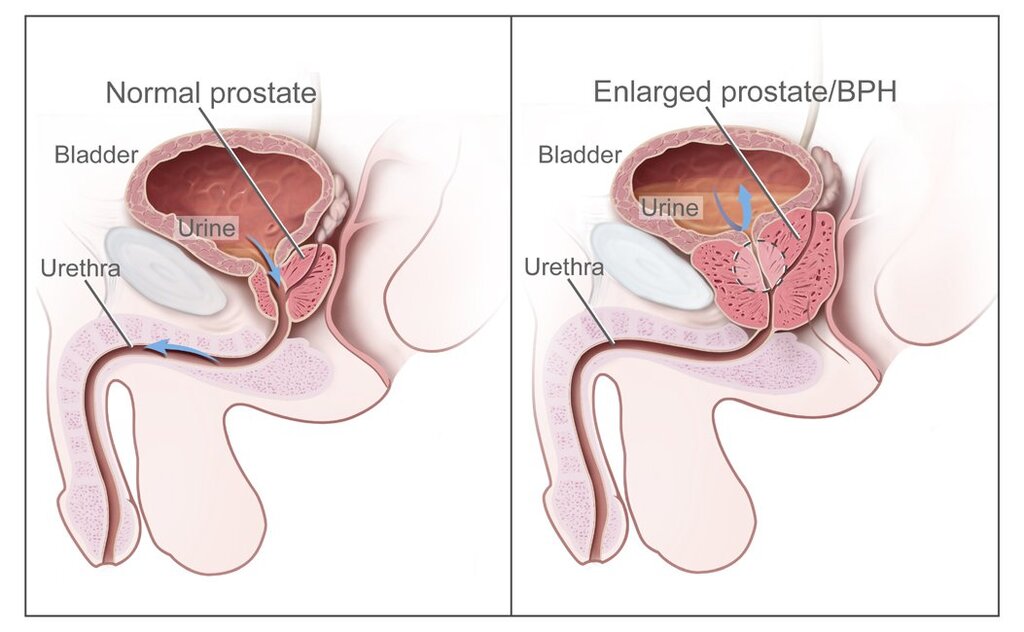
As men get older, the prostate can start to grow larger. This condition is known as benign prostatic hyperplasia, or BPH. The word "benign" is key—it means the enlargement is not cancerous. "Hyperplasia" simply refers to an increase in the number of cells, which causes the gland to grow.
Because the prostate surrounds the urethra, its enlargement can squeeze or pinch the tube. This pressure interferes with the normal flow of urine, leading to uncomfortable and inconvenient symptoms.
Common symptoms of BPH include:
- A frequent or urgent need to urinate, especially at night.
- Difficulty starting urination.
- A weak or interrupted urine stream.
- The feeling that the bladder is not completely empty.
Dutasteride's Role in BPH
This is where dutasteride comes in. While some medications for BPH work by relaxing the muscles around the urethra to ease symptoms, dutasteride works differently. Its primary role is to gradually reduce the actual size of the prostate gland.
By shrinking the prostate, dutasteride helps relieve the pressure on the urethra. This, in turn, improves urine flow and alleviates the urinary symptoms associated with BPH. The process isn't immediate; it can take several months for the full effects to be noticeable, but the goal is a long-term improvement in the underlying problem.
Treatment for BPH lowers the risk of these complications.
Managing BPH is not just about comfort. If left untreated, severe BPH can lead to more serious issues, such as urinary tract infections, bladder stones, or even kidney damage. Dutasteride is a significant tool for managing the condition and preventing these outcomes.
Now, let's review what we've covered.
What is the primary function of dutasteride in treating benign prostatic hyperplasia (BPH)?
Why does an enlarged prostate, or BPH, cause urinary problems?