Dungeons & Dragons Essentials
Introduction to Dungeons & Dragons
The Game of Imagination
Dungeons & Dragons, or D&D, is a fantasy role-playing game. Forget video games or board games with rigid rules and set paths. D&D is a game of collaborative storytelling, played with friends, dice, and your imagination.
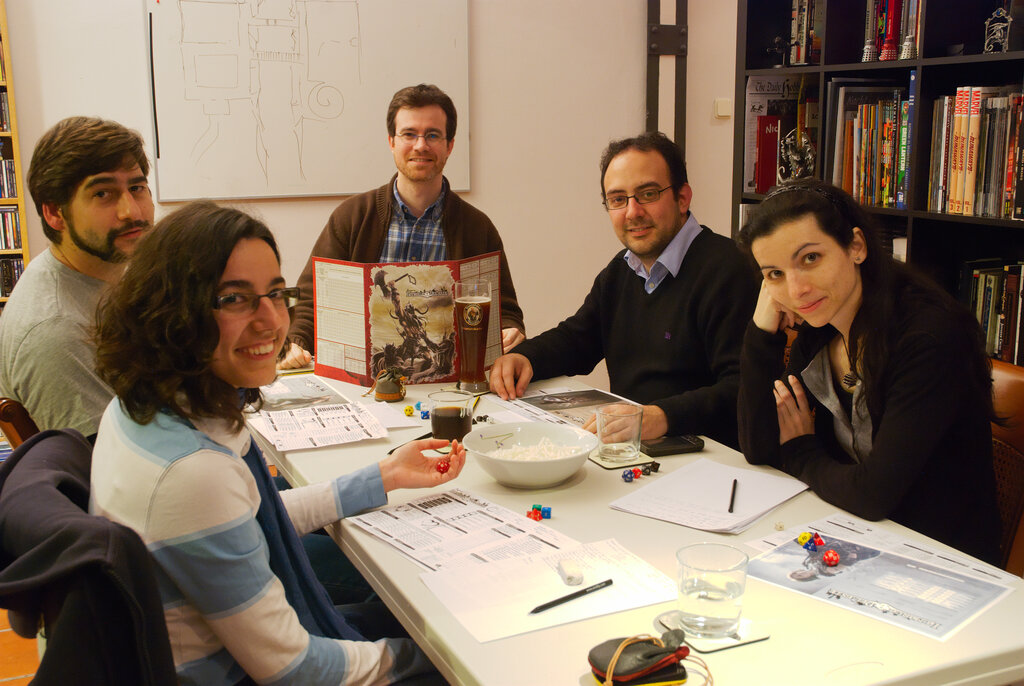
At its heart, it's a conversation. One person, the Dungeon Master, sets a scene. "You stand before a moss-covered ruin in a dark forest. An ancient stone door, carved with snarling gargoyles, blocks your path. What do you do?" The other players, each controlling a single character, decide how to respond. Do they try to force the door open? Look for another way in? Call out to see if anyone is inside?
There's no script. The story unfolds based on everyone's choices, creating a unique adventure every time you play.
A Brief History
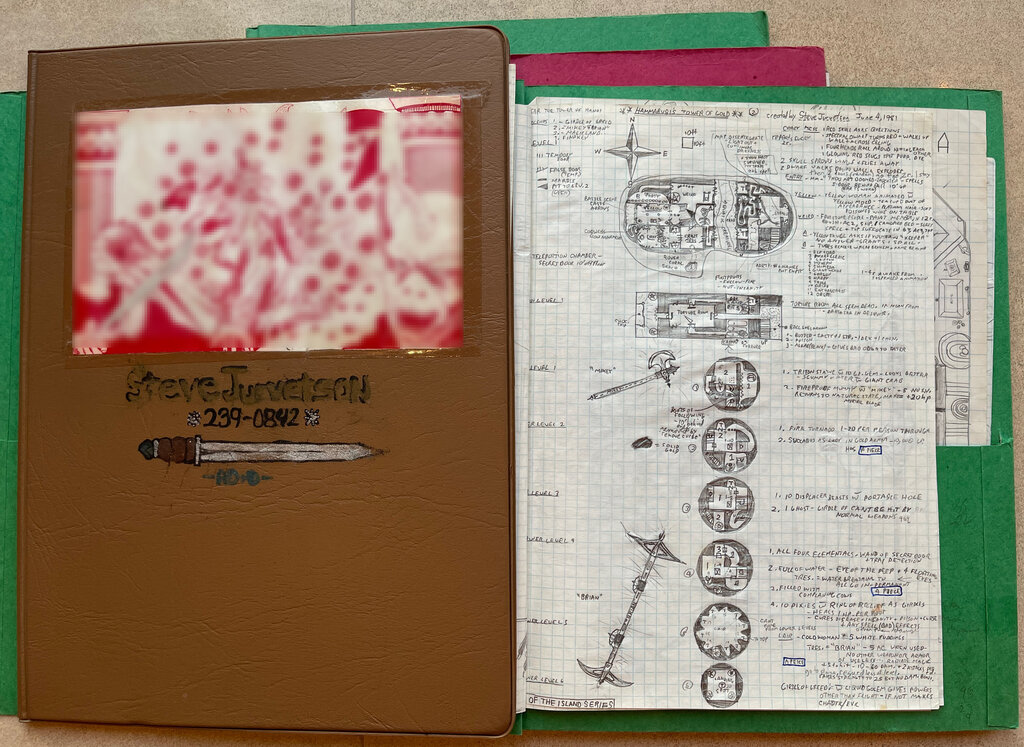
D&D emerged in 1974, created by Gary Gygax and Dave Arneson. It grew out of miniature wargames, but with a twist. Instead of controlling armies, players would control a single, heroic individual. This shift in focus from mass combat to personal adventure was revolutionary.
What started as a niche hobby for wargamers and fantasy fans gradually grew into a cultural touchstone. It combined the strategic elements of wargaming with the creative freedom of improvisational theater, allowing players to become heroes in their own epic tales.
The Cast of Characters
Every D&D game has two main roles: the players and the Dungeon Master.
Player
noun
A participant who controls a single character within the game's world. They make decisions for this character, from what they say to how they react to danger.
Players are the protagonists of the story. They see the world through their character's eyes and work together with the other players to overcome challenges. Their choices directly impact the direction of the narrative.
Dungeon Master
noun
The game's lead storyteller and referee. The Dungeon Master (or DM) describes the world, portrays all the non-player characters (NPCs), and presents the challenges and conflicts.
The DM is the players' window into the game world. They are the monsters, the townspeople, the mysterious quest-givers, and the narrator. It’s not the DM's job to "beat" the players, but to create a fun, challenging, and interesting world for them to explore.
Think of the DM as the director of a movie, and the players as the main actors who improvise all their lines and actions.
Telling a Story Together
Unlike most games, D&D isn't about winning or losing. The goal is to build a memorable story as a group. The game is a dynamic loop: the DM presents a situation, the players decide how their characters react, and the DM describes the outcome of those actions. This outcome then creates a new situation, and the loop continues.
Tabletop role-playing games feature friends sitting around a table, either in real space or through a virutal table top, telling stories and using the rules to help them see where the story goes.
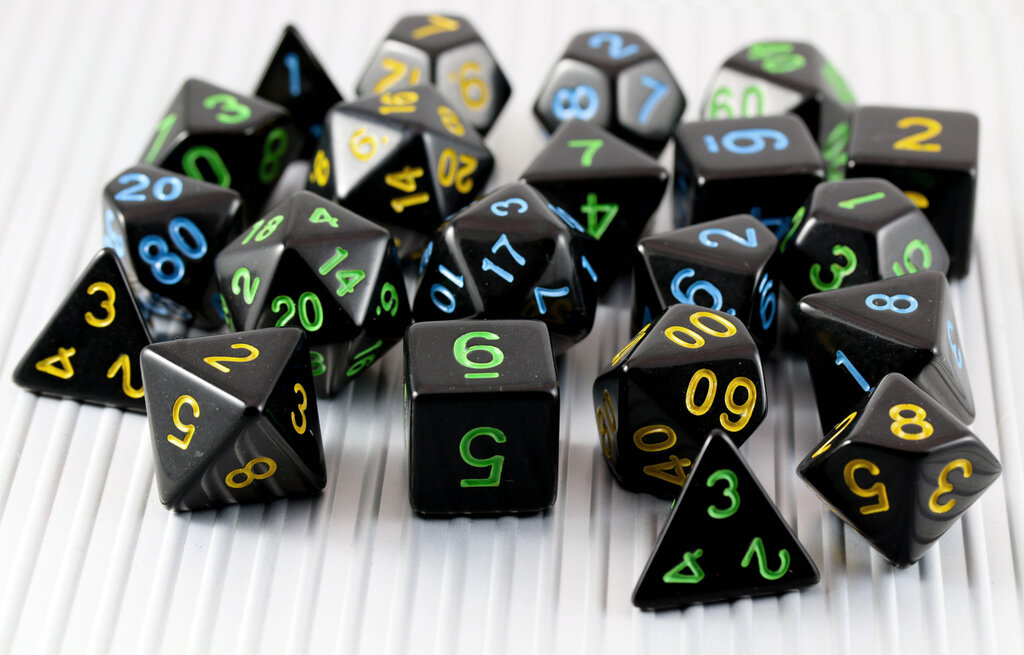
But what happens when a character tries something risky, like leaping across a chasm or persuading a stubborn king? That’s where the dice come in. Players roll dice, often a 20-sided die, to determine the success or failure of their actions. This adds an element of chance and suspense, ensuring that not even the DM knows exactly how the story will end.
This blend of structured rules and creative freedom is what makes D&D so enduring. It's a game, an art form, and a social activity all rolled into one.